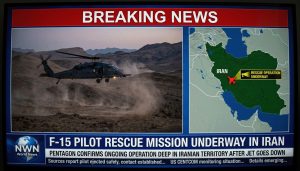
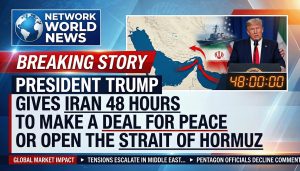
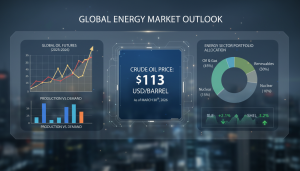
Brace for $200 Oil: Iran Conflict Fuels Price Surge.
Explore how the escalating Iran Conflict is pushing oil prices toward the $200 mark, with implications for global markets and your wallet.
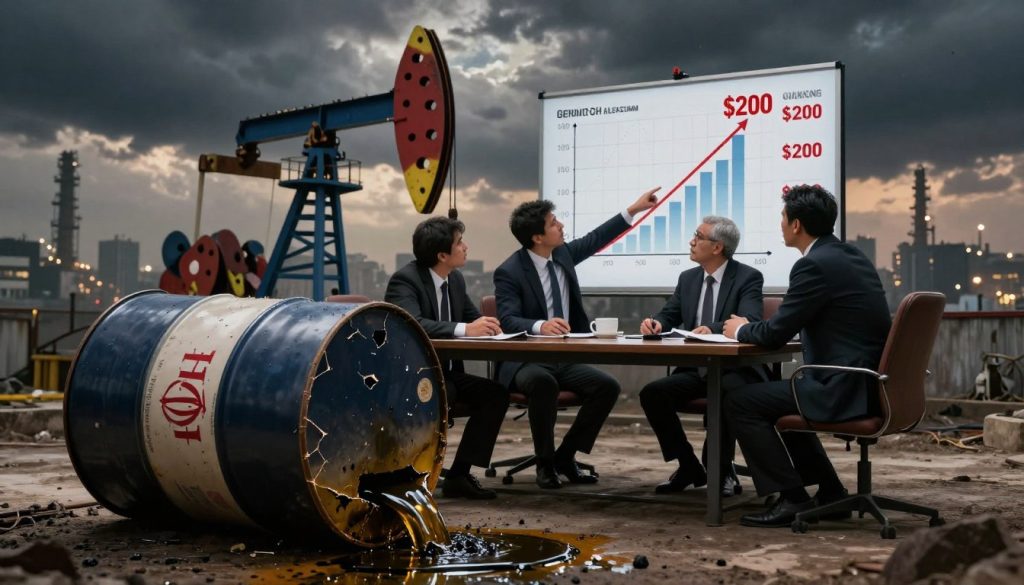
Energy markets in the United States are moving fast. The Iran Conflict is spreading across the Middle East and affecting international relations. Traders are now considering a major shock that could push crude to $200 a barrel.
This week, something changed. Maritime security agencies reported that three merchant ships were hit near the Strait of Hormuz on Wednesday. They were hit by unknown projectiles, according to shipping disruption reports. Now, shipowners and insurers are treating the transit like a live-fire zone.
The market responded quickly. Traffic through the narrow strait has stalled, cutting confidence in exports. Oil prices were near $120 earlier in the week, but then settled around $90. They jumped more than 4% on Wednesday as fear returned.
In Washington, policy is shifting, too. The United States and allies announced steps to ease rising oil prices. Global agencies are also considering emergency tools to keep barrels flowing. Analysts warn the world is running thin on spare capacity, a risk outlined in one scenario-driven outlook.
The human and military stakes are raising tensions in international relations. Officials say at least 1,300 people have been killed in Iran. More than 570 have been killed in Lebanon and at least 12 in Israel. The Pentagon and U.S. Central Command say seven U.S. service members have died and 140 U.S. troops have been wounded, including eight severely injured.
Even if the Iran Conflict stays contained, the Strait of Hormuz remains a chokepoint. It can turn a regional fight into a global energy shock. The strait is only about 21 miles wide at its narrowest point, with shipping lanes about 2 miles in each direction. For U.S. drivers and businesses, that geography can show up quickly in diesel costs, airline fuel bills, and inflation.
Key Takeaways
- The Iran Conflict is pushing traders to price in extreme outcomes, including $200 oil.
- Three ships were struck near the Strait of Hormuz on Wednesday, intensifying shipping risk.
- Slow or halted traffic through the strait threatens reliable exports and tightens global supply.
- Oil prices whipsawed this week, then rose sharply as supply disruption fears returned.
- The United States and allies are moving on price relief as the Middle East crisis deepens.
- Rising casualties and U.S. troop losses are worsening uncertainty in international relations.
What the latest Middle East attacks mean for oil prices and global supply
Energy traders are now more cautious about the Middle East. The Iran conflict has introduced new risks into daily pricing. The worry is not just higher fuel costs but also how fast stability can decline when key areas are attacked.
Strait of Hormuz strikes and shipping disruption
On Wednesday, three ships were hit near the Strait of Hormuz. Maritime agencies said unknown projectiles caused the damage. Soon, traffic through the waterway almost stopped, affecting crude and refined product flows.
The day before, President Trump warned of more attacks if Iran blocks shipments. Such warnings usually increase supply risks in markets.
Oil prices have jumped sharply. Global oil prices rose by over 25% with the fighting. U.S. crude hit near $91 a barrel, a record weekly gain. More details were reported by Al Jazeera’s energy market coverage.
Escalation beyond the waterway: drones and regional spillover
The pressure is spreading beyond shipping lanes. Iranian drones hit near Dubai International Airport. Tehran vowed to increase attacks across the Middle East, affecting airlines, ports, and fuel logistics.
Reports show attacks in Iraq, Qatar, and the United Arab Emirates. More explosions were reported in Tehran during U.S.-Israeli attacks. Israel also launched strikes into Lebanon, adding to regional instability.
- Airspace risk can slow cargo movement and disrupt jet fuel supply chains.
- Port and terminal threats can delay loading schedules and raise demurrage costs.
- Spillover conflict can push insurers to reprice coverage across the region.
Why markets are suddenly pricing in extreme scenarios
When supply is uncertain, traders price in the worst outcome first. A blocked Hormuz corridor, with strikes in several countries, raises the risk of shortages. This forces refiners to compete for fewer barrels.
This risk adds up quickly. Unknown projectiles hitting ships, drones near airports, and ongoing attacks. The result is higher insurance costs, fewer shippers, and tighter supply, as reported by Network World News.
In the United States, the impact is seen in everyday prices and futures charts. The national average gasoline price hit $3.41 per gallon, up 43 cents in a week. The Iran conflict keeps traders focused on supply security and regional stability.
Iran Conflict drives policy responses, sanctions pressure, and emergency oil releases
The ongoing fighting is affecting oil prices, not just because of supply issues. Foreign policy, sanctions, and military risks are also playing big roles. The debate over the nuclear deal is heating up again, as any changes in talks can quickly shift market expectations.
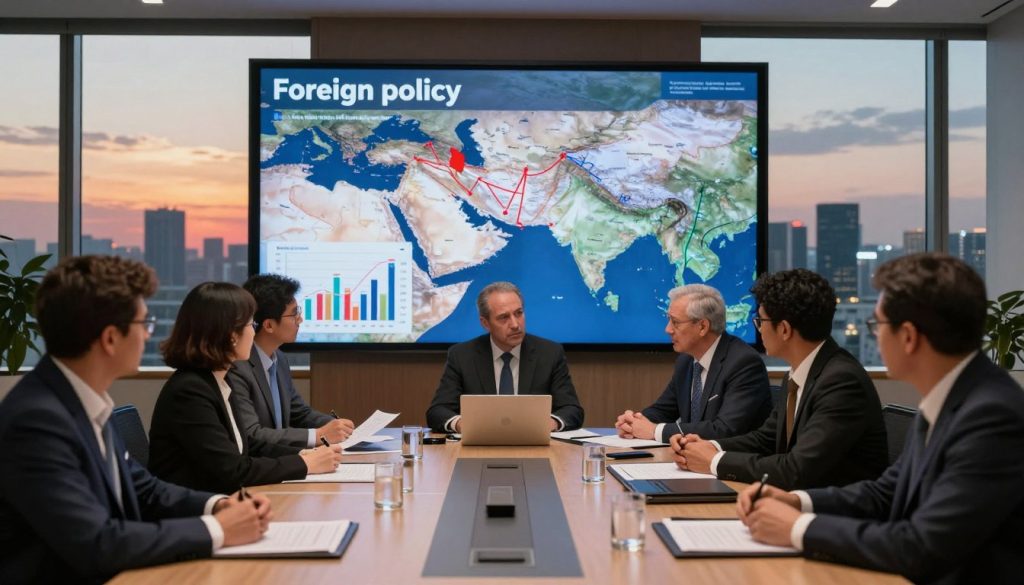
U.S. stance and Trump’s latest comments
President Donald Trump told Axios the U.S. operation against Iran was in its 12th day. He said it would soon end because there’s “practically nothing left to target.” Later, he told reporters, “We have hit them harder than virtually any country in history has been hit, and we’re not finished yet.”
This mix of finality and escalation tends to increase the risk premium. It’s also part of a wider sanctions message, as Washington weighs pressure tools alongside force. More on this can be found in Trump’s latest comments.
International Energy Agency response and the Strategic Petroleum Reserve
To soften the price shock, the International Energy Agency agreed to release 400 million barrels from emergency reserves. Trump also said the U.S. would tap the Strategic Petroleum Reserve, though he didn’t specify the amount.
These releases aim to stabilize supply while shipping routes are strained. They follow past crisis playbooks and show coordination in international relations, even as sanctions disputes intensify. Details on these releases are in an update on emergency oil releases.
Widening conflict footprint and humanitarian fallout affecting markets
Losses on multiple fronts are fueling fear of retaliation and wider disruption. At least 1,300 have died in Iran, more than 570 in Lebanon, and at least 12 in Israel. The U.S. has lost seven service members, and 140 troops have been wounded, with eight severely injured.
Reports of a strike on a Tehran elementary school killing over 170, mostly children, have raised questions about U.S. intelligence. These events can harden positions, tighten sanctions politics, and increase the risk of extended outages. This briefing includes a detailed risk map of the Strait of Hormuz.
Nuclear deal, sanctions, and diplomatic off-ramps
Markets are pricing a policy tug-of-war: tougher sanctions versus diplomacy. The nuclear deal matters because it affects access to inspections, export expectations, and international relations stability.
- Pressure lane: broader sanctions can tighten cash flow and raise enforcement risks for buyers and shippers.
- Diplomacy lane: steps toward a nuclear deal can offer verifiable limits, but they also depend on trust and timing.
For those following U.S. foreign policy, energy prices often respond to negotiating posture as much as battlefield headlines. Background on sanctions and the nuclear deal is in this overview of the Iran nuclear.
Iran Conflict Conclusion
The Iran Conflict has moved from warnings to real action. Ships have been hit near the Strait of Hormuz, and traffic is almost stopped. This situation tightens supplies quickly, and traders react fast.
U.S. drivers see the impact in everyday costs. Higher crude prices can raise gas, delivery fees, and airline tickets. It also affects stocks, credit, and consumer confidence, hitting household budgets.
There are some safety nets, but they’re not perfect. The IEA has plans to release up to 400 million barrels. Washington has talked about drawing more from the Strategic Petroleum Reserve, but details are scarce. Yet the future of foreign policy remains unclear following Trump’s latest comments on Iran.
Until shipping lanes are safe again, the region will remain unstable. Threats to U.S. bases, rising military readiness, and missile pressure keep risks high. This is detailed in recent updates. If tensions escalate, markets might price in extreme scenarios, such as $200 oil.