Canada Stops Flights to U.S. Amid Tariff Dispute with U.S. Government
Discover the latest as Canada stops flights to U.S., a response to escalating tariff disputes, affecting travel and trade relations.

Canada Stops flights to U.S: Canada has been suspending flights to the U.S. more frequently. Airlines are cutting back due to a drop in travel and rising tensions. This change is affecting travelers, with fewer flights, higher prices, and more indirect routes.
Flight capacity from Canada to the U.S. fell 10% last month, Cirium data shows. Also, Canadian trips to the U.S. dropped 24.3% year over year, Statistics Canada reports.
Trade tensions are high. The U.S. put a 25% tariff on Canadian imports last March. This move sparked a “Buy Canadian” movement. President Donald Trump even called Canada the “51st state,” and threatened a 100% tariff, trade war, and tariff reporting notes.
Air Transat and WestJet are at the heart of these changes. Air Canada plans to adjust its flights if demand declines further, according to reports on Canada-U.S. flight changes.
WestJet is cutting back the most. It’s suspending 16 routes, including Boston-Vancouver and Los Angeles-Toronto. The airline has reduced transborder flying by nearly 10%, a spokesperson told Business Insider.
WestJet is focusing on routes Canadians prefer. This means fewer seats on some U.S. routes. The tariff dispute and its impact on prices and supply chains add to the uncertainty, analysis of Canada-U.S. trade stakes explains.
Canada Stops Flights to U.S Key Takeaways
- Canada stops flights to u.s. routes more often as airlines respond to weaker demand and tighter schedules.
- Capacity on flights from Canada to the U.S. fell 10% year over year last month, based on Cirium data.
- Statistics Canada reported 1.6 million return trips from the U.S. last month, down 24.3% year over year.
- A 25% tariff and rising political tensions are weighing on travel sentiment and international travel planning.
- WestJet is suspending 16 routes, including Boston–Vancouver and Los Angeles–Toronto, and shifting capacity elsewhere.
- Air Transat and WestJet are key carriers to watch as Canada flights and U.S. demand reset for 2025.
Canada stops flights to the U.S. as airlines cut transborder schedules during tariff dispute
Air travel between Canada and the U.S. is getting less frequent. This is because airlines are reducing flights due to lower demand. The reason for this change is a trade dispute, making travel plans uncertain again.
What’s driving the pullback in Canada-to-U.S. flights
Airlines are seeing fewer people booking cross-border flights. WestJet has observed a significant decline in bookings for 2025. This change comes as trade tensions rise, making travel plans less appealing.
Capacity on flights from Canada to the U.S. is down about 10% compared to last year. Statistics Canada also reports a 24.3% decrease in U.S. trips to Canada. For more details, check out this airline schedule report.
How travel restrictions and border closure memories from the COVID-19 pandemic shape travel sentiment
The COVID-19 era has changed how people view travel risks and costs. Many remember how quickly travel plans can change, like when borders close. This fear can make people think twice, even when flights are operating.
This fear is reflected in choices such as taking shorter trips or booking flexible tickets. People also monitor travel rules in other places. For more on current travel restrictions, see this global travel restrictions update.
What U.S. travelers should watch
U.S. travelers will notice fewer nonstop flights and less frequent service on some routes. With fewer seats, flights can fill up quickly. If a flight is canceled, rebooking can be more difficult, as it was during the pandemic.
- Capacity trends on the Canada–U.S. corridor can affect fare fluctuations.
- Carrier schedule updates may occur, as route maps are subject to change.
- Flexibility in booking terms, in case demand drops further or service is reshuffled.
Air Transat and WestJet route changes reshape Canada–U.S. air travel restrictions landscape
Two big Canadian airlines are changing their flight paths. This change affects travelers, causing some flights to be canceled and others to be rerouted frequently.
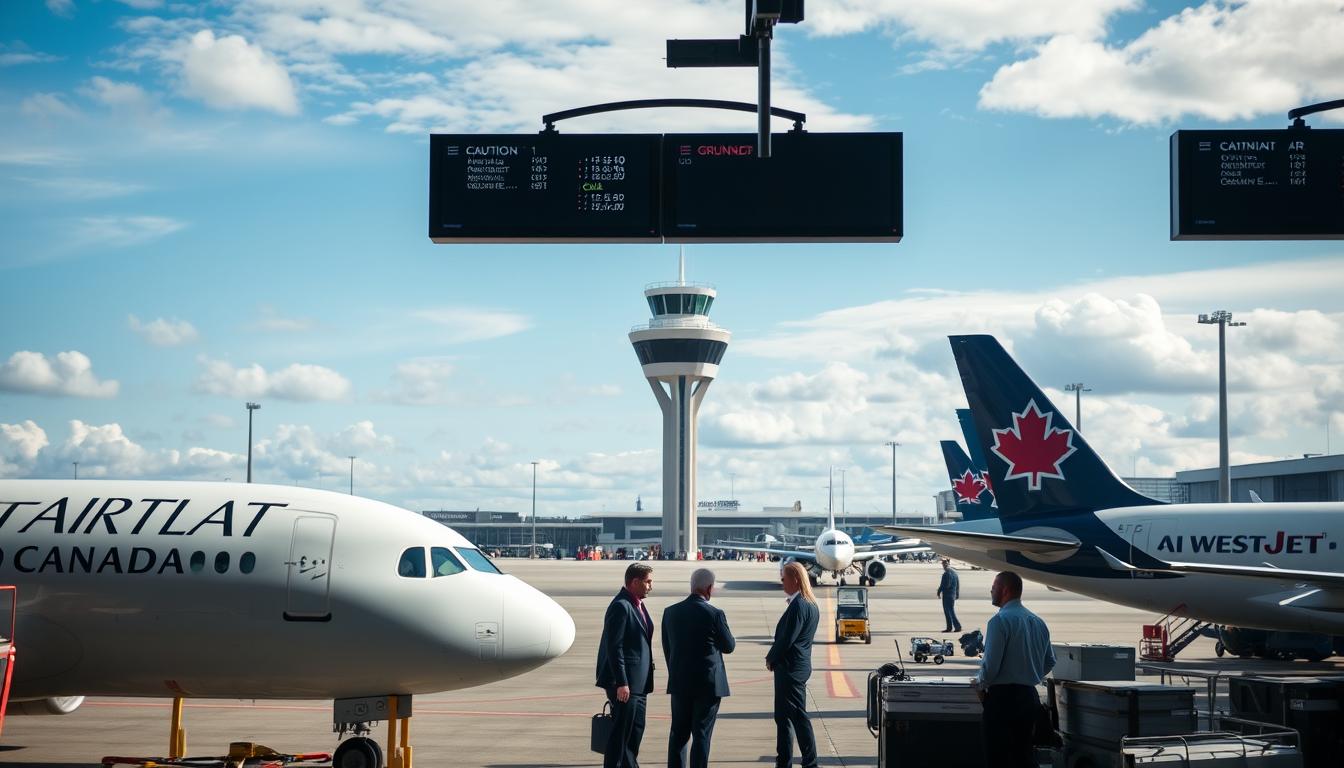
Air Transat stops U.S. routes for summer travel
Air Transat, based in Montreal, will suspend service to the U.S. for the summer. The last flights to the U.S. will end in early June.
Last March, Air Transat flew to nine U.S. cities. By early 2026, it flew to only three:
- Montreal–Orlando
- Montreal–Fort Lauderdale
- Quebec City–Fort Lauderdale
Air Transat focuses on vacation spots. Skytrax named it the best leisure airline in 2025. A spokesperson said flying to the U.S. is now very small for them.
More details on Air Transat’s Florida plans are in this article.
WestJet reduces transborder flying and shifts capacity
WestJet is reducing flights to the U.S. to focus on key routes and improve returns. This change is due to softer demand and higher costs.
Canada’s flight changes are happening incrementally, not all at once. WestJet’s cuts are detailed in this article.
What these changes mean for international travel between Canada and the U.S.
U.S. travelers face fewer direct flights from Canada. They might need to go through bigger airports. This can make travel longer and less flexible.
With travel rules in the news, people are watching prices and availability. They’re looking for deals, like those on flights and hotels.
Canada Stops Flights to the U.S. Conclusion
International travel between Canada and the U.S. is facing tough times due to tariffs and cooling demand. Canada isn’t banning flights outright. Instead, it’s reducing schedules and seats. This leads many travelers to opt for shorter trips or postpone their plans.
Air Transat has made a big change by stopping U.S. flights for the summer. Its last flight to the U.S. will be in early June. It has also cut routes from nine to three, focusing on destinations within Canada.
WestJet is also scaling back its transborder service. It’s suspending 16 routes and reducing Canada-to-U.S. flights by almost 10%. This means fewer direct flights, higher prices, and more connections for U.S. travelers.
The shift in travel habits is clear. Fewer flights and less return travel show travelers’ caution. Tariffs, politics, and pandemic memories are all playing a role. Even with open borders, these factors influence travel planning.
Policy changes, such as federal vaccine record updates, quickly become part of the travel conversation. This shows how fast rules can change in cross-border travel.