Social security cuts are coming; will your benefits be affected
Social security cuts are coming. Learn how these changes may impact social security benefits and what you can do to protect your funds.
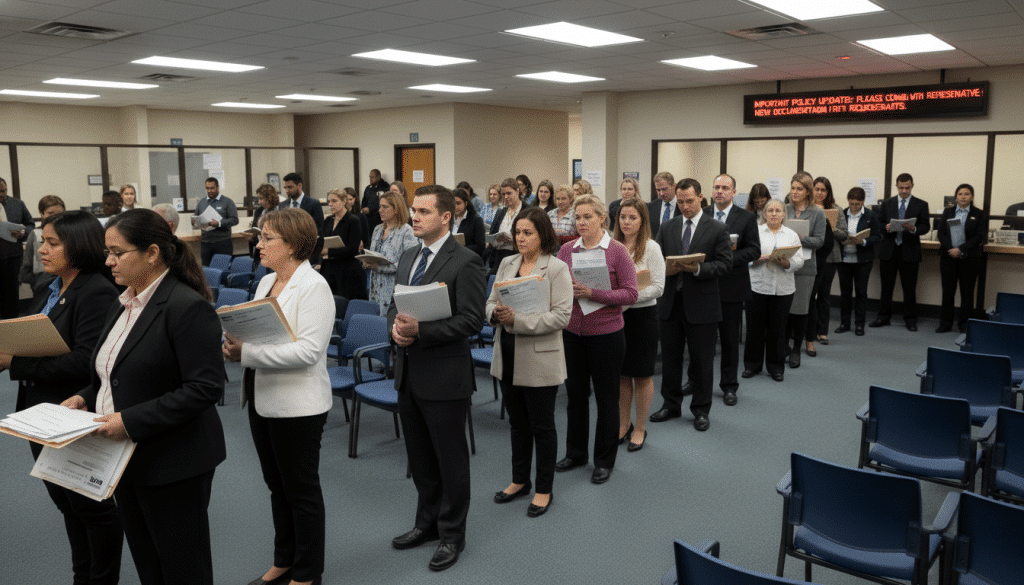
In the United States, talk of Social Security cuts is becoming a major concern. For those close to retirement, even a small cut feels like a permanent pay reduction. Social Security Changes that started in 2026. New Social Security Changes: What You Need to Know.
For nearly a quarter of a century, Gallup surveys have shown 80% to 90% of retired workers rely on Social Security. This makes social security cuts a real concern for families.
Official warnings keep coming, even as politicians promise to protect benefits. President Donald Trump has said he will keep Social Security safe. Yet, some experts think policy changes could lead to cuts.
Other safety-net programs are also facing cuts. For example, Medicaid and SNAP cuts could total $1 trillion over a decade. There are also changes to disability rules that could affect older workers.
This article explains what the Trustees project and why the OASI trust fund is important. It also talks about funding and policy choices that could lead to cuts. It shows how these cuts could affect current and future beneficiaries.
Social Security Cuts: Key Takeaways
- Social security cuts would hit core retirement income, not “extra” spending money.
- Gallup data suggests 80% to 90% of retired workers depend on Social Security in some way.
- Official reports have warned for years that program finances are getting weaker.
- Political promises to protect benefits are colliding with the math of budgets and trust funds.
- Social security policy updates can change timelines, even without a direct vote to cut checks.
- Understanding funding and the OASI reserve is key to judging the impact of social security cuts.
Why Social Security’s financial outlook is worsening in the United States
Social Security is key to retirement planning in the U.S., but its finances are tightening. Lawmakers are discussing changes, making many worry about cuts and their impact on daily life.
When people hear about cutting social security, it seems far away. But in reality, it could mean less money for food, rent, and medical bills. These costs don’t stop, even when Washington’s budgets change.
Why benefits aren’t optional income for most retirees
For many older Americans, Social Security is not extra money. It’s what keeps their monthly budget from breaking.
Gallup’s surveys over nearly 25 years show 80% to 90% of retirees rely on these checks. Even small changes can cause big problems, making social security cuts a serious issue at home.
What the Trustees’ Report says about long-term funding gaps
The Social Security Board of Trustees has reported every year for over 80 years. Their reports forecast financial issues years ahead.
For decades, the Trustees have warned about a funding gap. The 2025 Trustees Report shows a $25.1 trillion gap by 2099. This gap is why lawmakers are looking at changes to close it without cutting benefits.
Proposals such as adjusting the wage base or changing the retirement age aim to close the gap. A detailed look at these ideas is in this explanation of the funding shortfall.
The most immediate threat: Old-Age and Survivors Insurance (OASI) reserve depletion
OASI pays monthly benefits to over 54 million retired workers and 5.8 million survivors. Its reserves are invested in U.S. government bonds.
The 2025 Trustees Report says OASI reserves will run out by 2033. This doesn’t mean Social Security ends; payroll taxes would continue to be collected.
But without reserves, keeping benefits the same would be tough. The Trustees warn of possible cuts of up to 23% if not fixed, making depletion dates a big concern.
Some ideas aim to reduce spending, such as raising the retirement age. Others want to bring in more money. This summary of retirement-age discussions provides more context as debates over fair changes continue.
Social security cuts: what could trigger them sooner, and who may be affected
Talk about cuts might seem far off, but timing is key. The system relies on cash flow. If reserves dwindle faster, a cut in social security benefits is more likely.
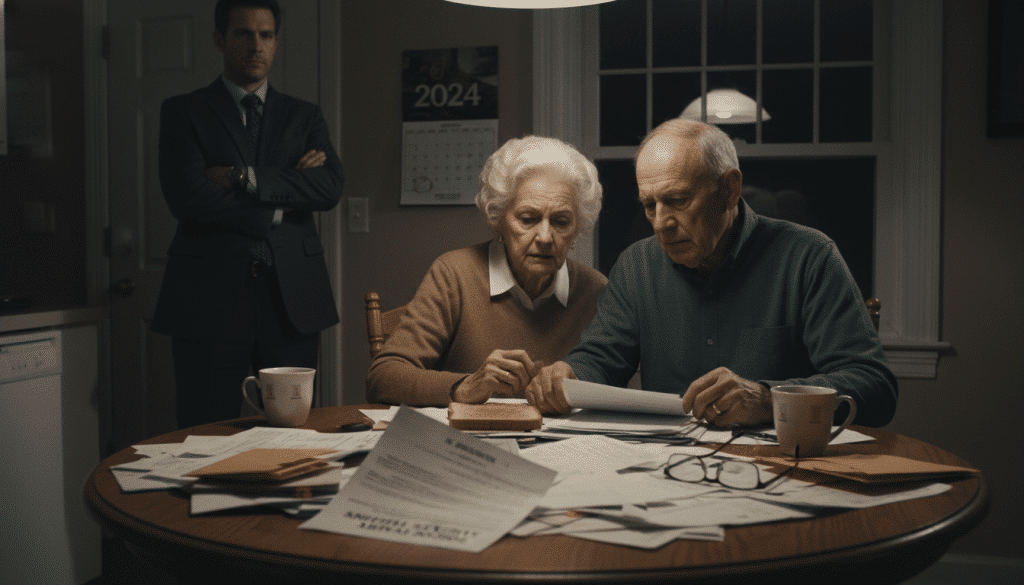
Lawmakers aim to save Social Security funds. But small changes in revenue can add up quickly. Most money comes from workers’ paychecks, not investments.
How Social Security is funded and why revenue matters
Social Security gets money from three main sources. Payroll taxes are the biggest source. They take 12.4% of wages and salaries, capped at $184,500, in 2026.
- Payroll taxes on earned income, capped each year
- Interest income on trust fund reserves
- Taxes on benefits paid by some recipients
In 2024, payroll taxes accounted for 91.2% of the nearly $1.42 trillion collected. This shows why any drop in taxable payroll can reduce the Social Security budget.
How recent tax policy changes could contribute to a Social Security budget decrease?
Policy changes affect how taxes work. President Trump’s July 2025 tax package, the “Big, Beautiful Bill” (BBB), includes breaks for 2025-2028. This includes a bigger senior deduction and new deductions for tips and overtime.
These changes help households. But they also mean less benefit-tax revenue. This could also lead to a decrease in the social security budget.
Other budget fights also affect retirees. Debates over Medicaid and SNAP cuts can hurt fixed-income households. This is because other supports might weaken at the same time.
What official estimates say about program costs and earlier depletion risk
After a request from the Senate Finance Committee ranking member, Ron Wyden (D-OR), the Social Security Administration estimated that BBB would cost $168.6 billion over 10 years. This estimate widens an existing shortfall.
The Office of the Actuary also said BBB’s tax effects could move Old-Age and Survivors Insurance (OASI) reserve depletion to the fourth quarter of 2032. This is earlier than the Trustees’ 2033 estimate. A shorter runway increases the likelihood of an automatic reduction in Social Security benefits if Congress does not act. More details on the depletion timeline have been reported in trust fund depletion estimates.
Even before any change is final, uncertainty can influence claiming behavior. People weighing early filing versus waiting for a larger check are also reacting to rules such as COLA updates and earnings-test limits, covered in the new Social Security changes. These choices are practical steps to protect Social Security benefits at the household level for near-retirees.
Broader demographic pressures behind the consequences of Social Security cuts
The long-term squeeze is driven by trends that have been building for years. As baby boomers retire, people live longer, birth rates stay low, and legal migration remains lower than in past decades, the worker-to-beneficiary balance shifts.
In plain terms, more people are drawing checks for more years, while a smaller share of the population is paying payroll taxes. Rising income inequality can intensify that imbalance, because more earnings sit above the taxable maximum. These forces can magnify the consequences of a reduction in social security benefits unless lawmakers find ways to save social security funds without pushing vulnerable groups into hardship.
If reserves run thin, the most exposed groups tend to be current retirees, near-retirees, and OASI survivor beneficiaries. That reality is why conversations about a social security budget cut are not just budget math; they are about who absorbs risk first and what it takes, in real life, for families focused on protecting social security benefits.
Social Security Cuts Conclusion
Social Security is not “bankrupt,” but it’s facing a tight spot. When OASI reserves run out, benefits might outpace taxes. This could lead to cuts, possibly up to 23%, without Congressional action.
The warning signs are getting closer. The 2025 Trustees Report says OASI reserves will be gone by 2033. The SSA’s Office of the Chief Actuary thinks it could happen even sooner, by late 2032. For a clear explanation of what this means for retirees, check out the Social Security breakdown.
Lawmakers are under a lot of pressure. Many households depend on Social Security for basic needs. Gallup found that 80%–90% of retirees rely on it, often for housing, food, and health care.
The impact of cuts would be felt quickly, hitting older adults and people with disabilities hard. They have less flexibility to adjust.
While Washington debates budgets and fraud, everyday people face real challenges. Delays and longer waits could become common. This is due to proposed agency cuts; SSA cuts are the source of the concerns. The timeline can change with tax decisions and new laws. So, staying informed is critical as cuts and changes become more than just talk.