Trump’s 1.8 billion anti-weaponization Bill: What it means
Trump’s 1.8 billion anti-weaponization Bill aims to enhance firearms control and public safety amid ongoing debates over gun reform and national security.

Trump's Anti-weaponization Bill and the DOJ
Trump’s Anti-Weaponization Bill: Republicans left Washington for the long break fuming, but not for the same reason. The split points to a loud political debate when Congress returns. Now, national security and the Justice Department spending are tied together in the fight. GOP furor over Trump’s ‘anti-weaponization’ fund sinks Senate budget reconciliation bill.
The Anti-Weaponization Bill is the flashpoint. It’s tied to a new Justice Department fund created by the Trump administration. The fund is about $1.8 billion, or $1.776 billion precisely.
This move was met with anger from many Senate Republicans. They were upset by the surprise and the fund’s size. On the other hand, many House Republicans saw it as a way to help “victims of lawfare.” They pushed the bill as a matter of fairness.
Immigration added fuel to the fire. House Republicans were also upset that the Senate left without passing an immigration package. This raised the stakes for next month’s talks and any deal tied to national security.
The divide is also about politics back home. Senators run statewide and often watch the middle. Many House Republicans come from deep-red districts where Donald Trump remains a dominant force. Supporting his agenda can decide a primary.
Key Notes
- The Anti-Weaponization Bill triggered fresh infighting between House and Senate Republicans.
- A DOJ funding amount of about $1.8 billion, reported as $1.776 billion, sparked the latest political debate.
- Many Senate Republicans objected to the rollout, while many House Republicans welcomed the intent of the anti-weaponization bill.
- Immigration legislation and Justice Department funding are now competing priorities on the same track.
- The clash is shaped by electoral pressure, with Trump’s popularity in deep-red districts playing a big role.
- Next month’s negotiations are expected to test GOP unity on national security and budget choices.
What Trump’s $1.8 Billion Justice Department Fund Would Do
The proposed Justice Department fund aims to address claims of federal “weaponization.” House Republicans see it as a way to rebuild trust. Yet, some Senate Republicans worry it could compromise public safety. The debate also touches on government regulation, firearms control, and weapons restriction.
Why the “anti-weaponization” fund was created at the DOJ
Republican defenders say the fund is a response to complaints of federal power misuse, mainly during the Biden administration. Speaker Mike Johnson views it as fair for those wrongly targeted. He calls it “not a partisan proposition.”
But skeptics argue the DOJ already has channels for misconduct claims. They want clearer rules. They also question how this program fits with existing government regulations.
How $1.776 billion could compensate alleged “victims of lawfare.”
The DOJ has set aside $1.776 billion for claims of “lawfare.” Critics say it’s designed to help Trump allies. Supporters see it as relief for those burdened by legal fees and long cases.
The biggest concern is about Jan. 6. Senators worry money could go to rioters who attacked police. This fear is heightened by Trump’s pardons of those rioters on his first day back in office.
Key unanswered questions about eligibility, oversight, and government regulation
Many details are unclear, and Johnson admits there’s much to be decided. When asked about Jan. 6 felons, he declined to answer. He pointed to acting Attorney General Todd Blanche, leaving the question open.
Lawmakers want to know how claims are evaluated, who reviews them, and what audits are in place. They also ask whether tighter government regulation will be added, as with other federal payments.
- Eligibility: what kind of case qualifies, and whether criminal convictions disqualify a person.
- Oversight: who signs off, what records are kept, and how disputes are handled.
- Administration: how DOJ would verify damages and prevent duplicate payments.
Moderate House Republicans Brian Fitzpatrick and Don Bacon have expressed skepticism. They often stress the need for clear, enforceable standards in public safety programs.
Why critics call it a “slush fund,” and supporters call it a public safety safeguard
Sen. Mitch McConnell calls it a “slush fund” and criticizes paying those who assaulted police. Rep. Ralph Norman, on the House side, questions the legitimacy of Jan. 6 claims. He acknowledges a riot occurred, raising concerns about who is considered a “victim.”
Supporters argue that a well-run process could deter abuse of power and restore trust in law enforcement. Critics counter that without strict limits, it could conflict with other priorities like firearms control and weapons restriction. They say these need consistent rules and credible enforcement for public safety.
Anti-weaponization Bill and the GOP Rift Between the House and Senate
The Justice Department fund became a hot topic in a tense debate. It widened the gap between House and Senate Republicans. They argued over timing and trust, while gun reform and arms limitation issues added to the tension.
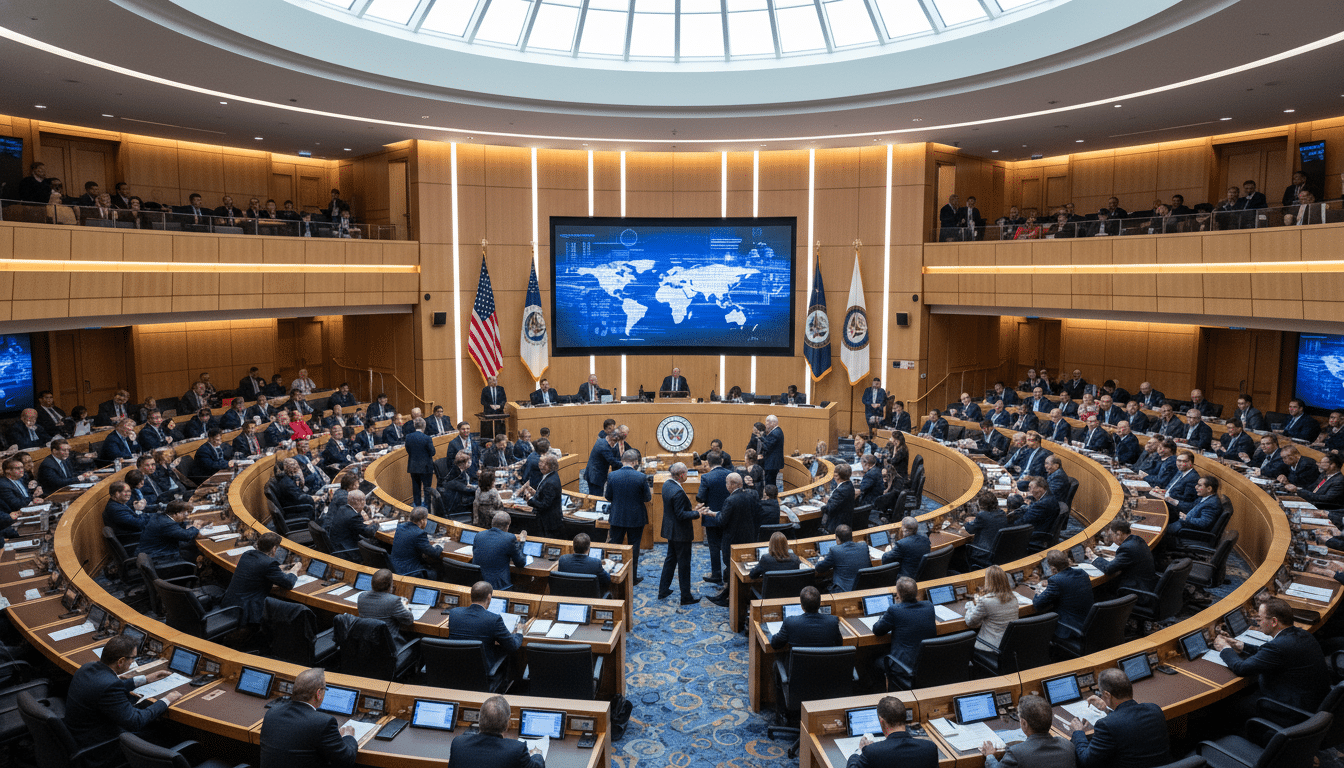
Why Senate Republicans erupted after the surprise announcement
Republican senators like Thom Tillis and Katie Britt were upset. They felt left out before the plan was made public. For them, it was about the process, not just the headlines.
A meeting with acting Attorney General Todd Blanche was meant to calm things down. But it turned into a loud argument. This made it harder for the Senate to agree on what to do next.
How the fund derailed plans to advance the $72 billion immigration enforcement legislation
Senate Majority Leader John Thune wanted to pass a $72 billion immigration package quickly. But the DOJ fund announcement threw a wrench in those plans. It seemed like a big obstacle.
Democrats were ready with amendments to limit the fund. They hoped to change the bill’s direction. Senator Ted Cruz said around 20 Republicans might support these limits, which is why leaders decided to wait.
Outside the Capitol, the pressure was clear. A lapse in DHS funding was a major concern. The DHS shutdown risk made it harder for lawmakers to keep their coalition together.
House Republicans’ contrasting message: compensating “victims of lawfare.”
In the House, many Republicans saw the fund as helping those affected by lawfare. They were frustrated with the Senate’s delay. They wanted to move forward, even with debates on gun reform and arms limitation.
Representative Tim Burchett called the week wasted and “kind of pathetic.” Representative Eric Burlison said the Senate needed to “figure this out” and start producing results.
Notable voices in the fight: John Thune, Mitch McConnell, Mike Johnson, and Tim Burchett
Thune warned that passing the immigration package was tough without addressing concerns. He didn’t like the fund and told Punchbowl News, “I don’t see a purpose for that.” Mitch McConnell’s team watched closely, worried that distrust would affect votes.
Speaker Mike Johnson had to manage Senate caution, House impatience, and the reality of new legislation. In a year full of debates, even unrelated issues like gun reform can change the mood and the math on Capitol Hill.
How the Fund Could Reshape Immigration Talks and National Security Priorities
The fight over the DOJ compensation fund is changing the border debate. Leaders in both chambers are trying to keep immigration talks moving. They also want to protect national security and public safety.
The tension is that one funding plan is taking attention away from the main mission. This includes staffing, detention space, and day-to-day enforcement.
Budget reconciliation strategy and the fight over Democratic votes
Senate Republicans wanted to use budget reconciliation to avoid needing Democratic votes. This method is fast but tightens the rules and raises the stakes for government regulation language. Senators are now deciding what can pass parliamentarian review and what could cause political backlash.
Lawmakers argue the fund muddies the message on public safety, even as they push for tougher border measures. Others see it as leverage to force clearer guardrails, similar to weapons restrictions.
The June 1 deadline, Memorial Day recess, and what it means for ICE and Border Patrol funding
A June 1 target date has added real pressure, and the Memorial Day recess already ate up valuable floor time. The longer the dispute drags on, the harder it becomes to secure stable funding for U.S. Immigration and Customs Enforcement (ICE) and Border Patrol. This delay can ripple into hiring plans, overtime budgets, and contracting schedules.
In practical terms, the calendar fight becomes a national security problem when agencies cannot plan. It can also turn into a public safety issue when local partners do not know what federal support will look like month to month.
Potential Senate demands to limit the fund—and likely House pushback
Several Senate Republicans have signaled they want limits on the fund before they move forward. Those limits could include tighter eligibility checks, clearer reporting, and stronger government regulation over payouts. House Republicans may resist, seeing restrictions as a retreat from the bill’s original promise.
If the Senate adds guardrails, the House could treat it like a trust issue between chambers. This standoff may spill into unrelated topics, including border policy provisions that some members frame as a kind of weapons restriction on cartels and traffickers.
Political debate risks: Jan. 6 pardons, concerns about paying violent offenders, and fallout across deep-red districts
The sharpest arguments center on whether people tied to the Jan. 6 attack could benefit after Trump’s pardons. Mitch McConnell and other critics have warned against any plan that could appear to reward those who assaulted police. Democrats are also expected to press amendments aimed at blocking payments to violent offenders, keeping public safety at the center of the debate.
Deep-red districts and statewide races add another layer. House members often face strong pro-Trump pressure at home, while senators weigh broader coalitions and national security messaging. This split can harden positions and make compromise harder, even when both sides say they want the same border outcome.
Anti-Weaponization Bill Conclusion
When Congress returns, the Anti-Weaponization Bill will be a big topic. The bill creates a Justice Department fund of about $1.8 billion. This has split Republicans, with some in the Senate upset and House Republicans supporting it.
The disagreement has changed what might have happened before the recess. Plans to advance a $72 billion immigration bill have been dropped. Now, talks on immigration, border security, and national security are less certain.
Next month, important decisions will be made. The administration and DOJ can clarify the bill’s details. This could help settle debates and concerns about selective justice.
Senate Republicans might want strict rules for the bill. House leaders will have to decide if they can accept these rules. This will affect the bill’s success.
The anti-weaponization bill is now more than just a process issue. It involves public safety, firearms control, and national security. Even as the White House focuses on international deals, Republicans must come together on this bill.