Iran Opens Fire on U.S. Naval Forces During Ceasefire Negotiations
Iran fires on U.S. ships, breaking the Iran peace deal amid ongoing ceasefire negotiations, escalating tensions and raising concerns over global security.
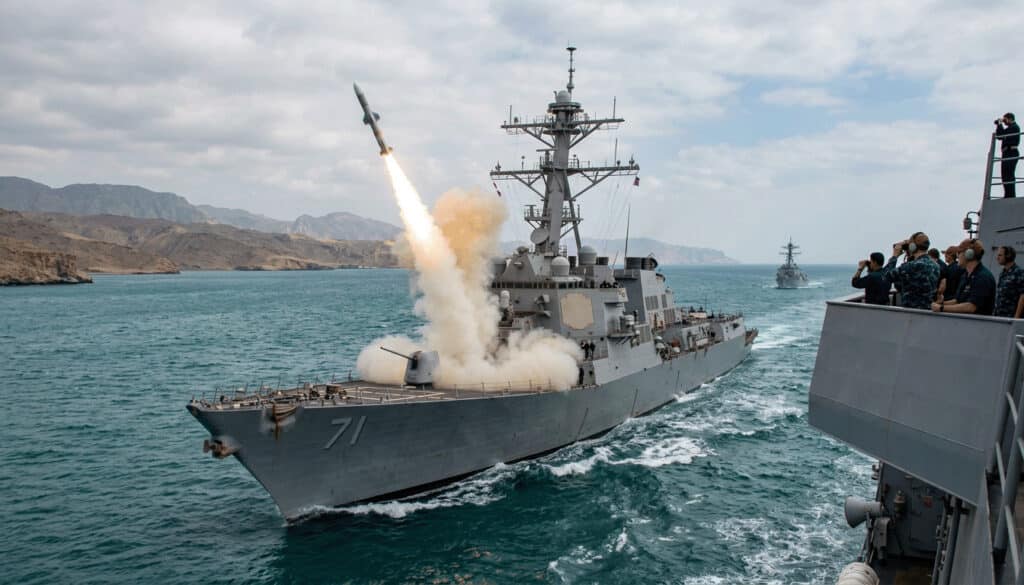
Iran Ceasefire Negotiations
Iran Ceasefire Negotiations: Recent events in the Middle East have raised tensions. Iran fired on U.S. ships, breaking a peace deal during ceasefire talks. This news is close to home for many Americans, affecting troop safety, energy prices, and global security. As the peace deal fails, U.S. warships take fire. – Iran Peace Deal Near Completion as Strait of Hormuz Set to Reopen.
On Monday, the U.S. military launched strikes in southern Iran. They said it was in self-defense while ceasefire talks were happening. President Donald Trump, on the other hand, expressed optimism about the negotiations, creating a confusing situation.
The situation raises important questions. If Iran’s actions lead to a breakdown in the peace deal, can we salvage it? Or will the conflict escalate, drawing in more countries?
This article explores what the U.S. targeted and why. It also looks at what’s unclear and how Trump’s push for the Abraham Accords might impact the situation. These factors could shape the future of Middle East tensions and global security.
Key Notes
- Iran fires on u.s ships: breaks peace deal, is unfolding alongside ceasefire negotiations.
- The U.S. describes its strikes as self-defense during the Iran-U.S conflict.
- President Donald Trump says talks are “proceeding nicely,” despite the violence.
- New Middle East tensions could test whether an Iran peace deal can survive pressure.
- Key facts are limited, adding uncertainty for global security.
- The Abraham Accords angle may complicate diplomacy tied to the Iran-U.S conflict.
What Happened: Iran Fires on U.S. Ships and the Ceasefire Talks at Risk
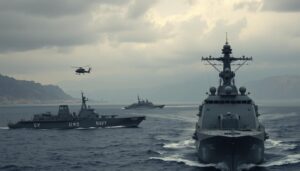
Reports of Iran attacking U.S. Navy ships have officials in Washington on high alert. The situation is tense, with one event potentially escalating a global crisis. Yet, diplomatic talks are ongoing.
https://www.youtube.com/watch?v=Ip-c5jLMAeg
U.S. military response described as “self-defense” strikes in southern Iran
The U.S. launched “self-defense” strikes in southern Iran on Monday. They aimed to protect, not provoke, amid fears of military aggression. The timing, though, has raised eyebrows about its impact on diplomacy.
Targets cited by U.S. Central Command: missile launch sites and boats placing mines
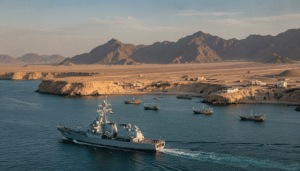
The U.S. Central Command said the strikes targeted missile sites and boats laying mines. This action aimed to keep sea routes open and protect crew safety. It highlights how quickly naval incidents can escalate a crisis.
Capt. Tim Hawkins says the military is “using restraint” during ongoing ceasefire efforts
Capt. Tim Hawkins, a U.S. Central Command spokesman, explained the strikes were to protect troops from Iranian threats. He noted the military is “using restraint during the ongoing ceasefire” while negotiations continue. This balance is key as diplomacy and military action collide.
Why details remain limited: unanswered questions about the threats and the negotiation timeline
More details are needed, including specifics on the threats and the strikes’ impact on talks. The lack of information complicates diplomacy during a crisis. With claims and counterclaims, clarity is essential for successful negotiations.
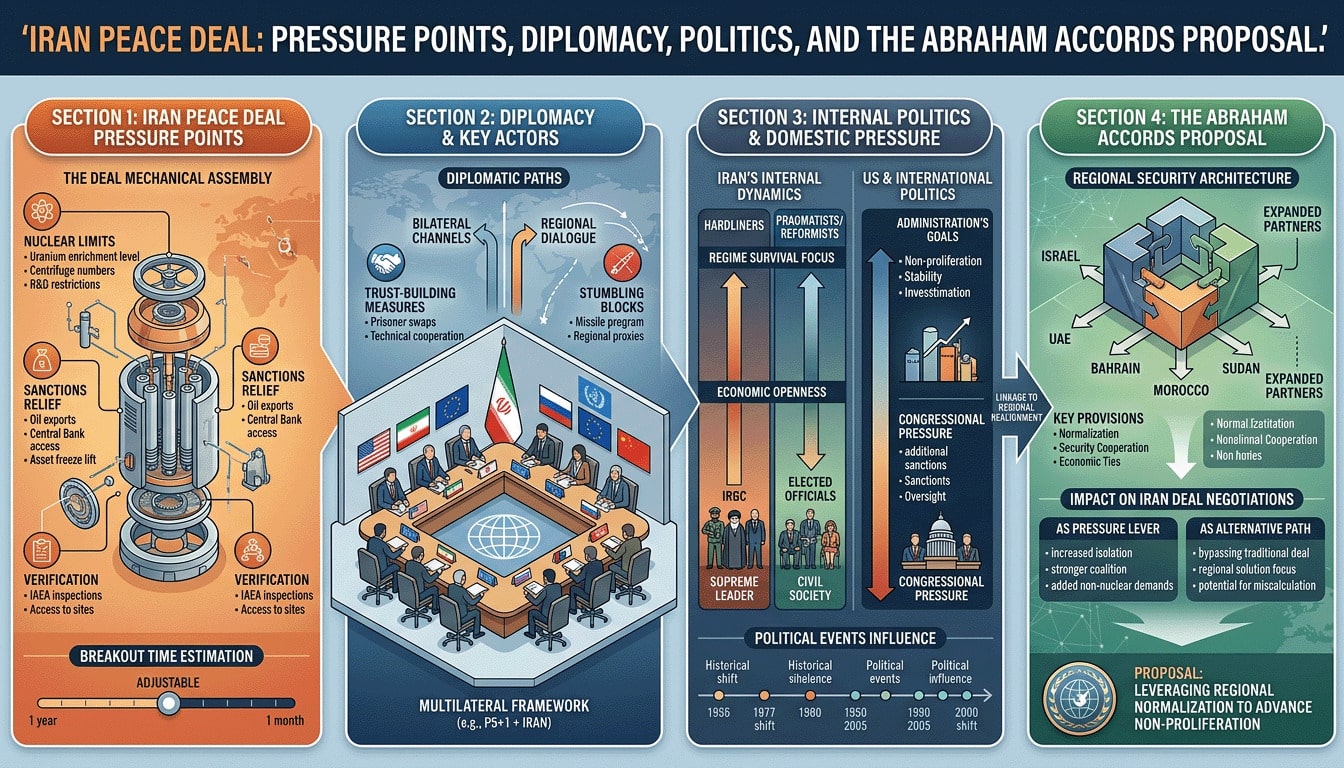
Iran Peace Deal Pressure Points: Diplomacy, Politics, and the Abraham Accords Proposal
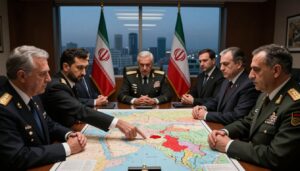
The Iran peace deal has entered a political phase, with tensions in the Middle East remaining high. Washington’s message aims to keep talks alive. The region waits for the next event that could change global security.
President Trump says negotiations are “proceeding nicely” despite military action
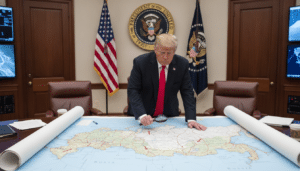
President Donald Trump said talks were going well, even with U.S. strikes in Iran. This split-screen reality puts pressure on diplomacy. Any new escalation can harden positions on all sides.
Even a short pause in fighting is seen as a test for global security. Ceasefire talks have sparked debate on what a workable off-ramp looks like. This includes ceasefire negotiations tied to the wider regional picture.
New condition floated: expanding the Abraham Accords as part of an agreement to end the Iran war
Trump suggested adding the Abraham Accords to any Iran war deal. Critics in his own party want a tougher stance. This could make the Iran peace deal harder to achieve by adding more stakeholders.
Some governments have their own red lines that can clash with U.S. plans. Saudi Arabia wants a clear path to Palestinian statehood for normalization with Israel. Pakistan, which does not have diplomatic ties with Israel, also focuses on this issue.
Countries Trump urged to join: Saudi Arabia, Qatar, Pakistan, Turkey, Egypt, and Jordan
Trump urged Saudi Arabia and Qatar to sign up quickly. He also named Pakistan, Turkey, Egypt, and Jordan. He believes broader participation is mandatory, even if some countries don’t join.
- Saudi Arabia and Qatar were seen as urgent targets for new signatures.
- Pakistan and Turkey were added despite known diplomatic hurdles.
- Egypt and Jordan were included even though both already have peace treaties with Israel.
Existing Abraham Accords signatories and what they signal for international diplomacy
The Abraham Accords started with Bahrain and the United Arab Emirates in 2020. Sudan and Morocco followed, and recently, Kazakhstan. Supporters see them as a way to increase cooperation in the region during tense times.
These early sign-ons influence today’s diplomacy push. Egypt and Jordan already recognize Israel, and Turkey did so in 1949. Analysts in Pakistan say Islamabad’s stance hasn’t changed. Former ambassador Masood Khan warns that adding the Accords now introduces a new dimension, complicating the process tied to global security and the Iran peace deal.
Iran Ceasefire Negotiations: Conclusion
The conflict between Iran and the U.S. has escalated again. The U.S. claims its attacks in southern Iran were to protect itself. They targeted missile sites and boats suspected of laying mines. This has raised serious doubts about the Iran peace deal amid a growing crisis.
Important details are missing, which is critical for global security. U.S. officials have not shared enough evidence of the threat. They also haven’t explained how the timing affects talks. This silence makes the diplomatic efforts seem fragile, even though they are ongoing.
The Strait of Hormuz is a key area of concern. Talks are both close and far apart at the same time. A closer look at U.S.-Iran war talks reveals the challenges. Nuclear demands, sanctions relief, and regional mediation can clash in a short time. This tension keeps markets on edge and increases the risk of any mistake.
Politics could make things even more complicated. Trump wants to expand the Abraham Accords as part of a deal with Iran. This could change international diplomacy by forcing more countries to choose between Israel and the Palestinians. With reports of unrest and a tougher U.S. stance, as seen in Trump’s cancellation of Iran meetings, the conflict will likely test global security further.