How to Survive a 48-Hour Blackout With Only Items in Your House
Discover essential tips and household items to effectively manage and how to survive a power outage for 48 hours. Be prepared and stay safe!

How to Survive a Power Outage: 48 Hours With Only Household Items: When power goes out, being ready is key. Knowing how to use home items for 48 hours can help. You can stay safe, fed, in touch, and comfy until the lights come back on.
Having reliability, along with light sources, is a must. Keep batteries and check that flashlights work. Furthermore, make an emergency kit that includes a battery-powered radio, candles, and matches.
Staying warm is important in winter blackouts. Use a gas fireplace or portable heater. Insulating pipes and caulking windows helps keep your home warm.
Communication is also key. Keep a car charger for your phone and a corded phone for calls. This helps you stay in touch when there’s no power.
Key Notes:
- Stock up on batteries and test flashlights
- Prepare an emergency kit with essential items
- Use alternative heating sources to stay warm
- Ensure reliable communication methods
- Insulate pipes and caulk windows to preserve heat
Understanding the Basics of Power Outages
When the lights go out, it’s important to know what to do during a blackout. We need to understand why it happens. Severe weather, equipment failure, and human mistakes are common reasons. Let’s explore these and the safety steps you should take.
What Causes Power Outages?
Severe weather, such as thunderstorms and hurricanes, often causes power outages. These events can damage power lines and lead to blackouts. Equipment failure and human mistakes also play a big role.
Common Duration and Frequency
Power outages can last from minutes to days. It depends on the cause and how fast the utility services can fix it. Knowing how to survive a power outage means understanding these times and preparing for them.
Safety Precautions to Consider
To stay safe during a blackout, install carbon monoxide detectors throughout your home. Generators and grills should be outside, at least 20 feet from windows. Check your fridge and freezer with a thermometer. If it’s out for more than four hours, use coolers with ice to keep food cold.
Here are some basic safety tips:
- Keep flashlights and batteries ready.
- Unplug appliances to avoid damage from power surges.
- Have fully charged portable chargers and power banks.
- Stay updated with battery-powered radios, as shown on this page.
Essential Preparations Before an Outage
Being ready for a power outage is key to staying safe and comfy. Good planning helps you handle darkness and a lack of power well. Here are important steps to prepare for a power outage at home.
Creating an Emergency Kit
First, make a detailed emergency kit. It should have water, non-perishable food, a flashlight, and extra batteries. For more tips, see this guide on preparing for power outages. A charged power bank should also be on hand as a backup for your devices.
Stocking Up on Non-Perishables
Next, stock up on food and supplies that don’t need a fridge or a stove. Canned goods, dried fruits, and snacks are a smart choice. Remember to add a manual can opener to your list. A good pantry helps keep your home comfy.
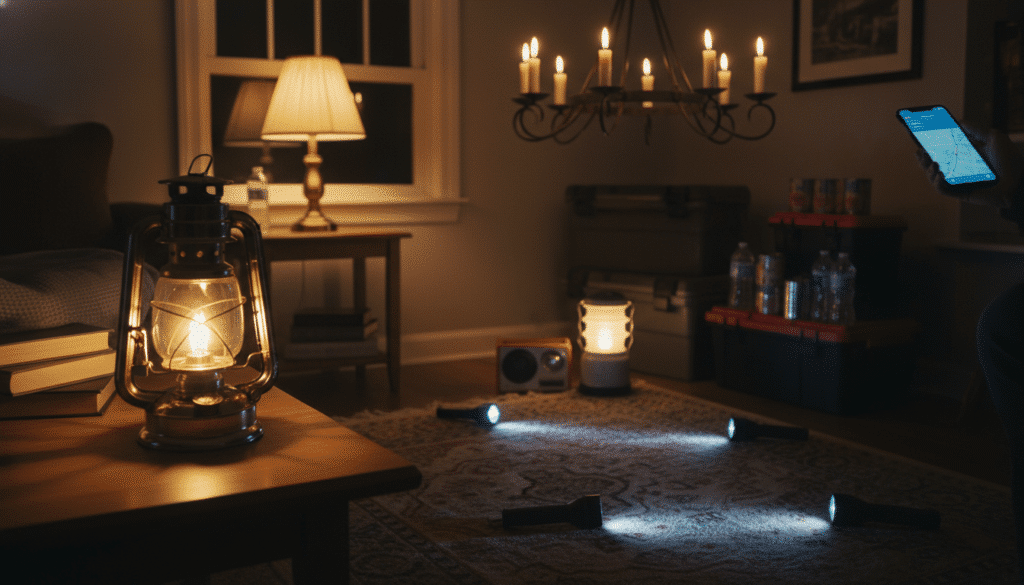
Keep fridge and freezer doors closed to keep food cold. A full freezer can keep food safe for 48 hours if not opened.
Planning for Communication
Having ways to stay in touch during an outage is vital. A battery-powered radio helps you stay informed. Also, check out emergency preparedness guides for more tips. Charge your phones and look into *emergency lighting alternatives*, such as solar chargers.
By being proactive, you prepare your home for a power outage. This way, you and your family can get through an outage easily.
Keeping Your Food Safe
When there’s no power, keeping food safe is a big worry. You can keep food fresh and know when to throw it away. These tips help you stay safe during an outage.
Power Outage Guidelines for Refrigeration
Refrigerators keep food safe for up to four hours if the door is closed. Freezers can keep food frozen for 48 hours if full, or 24 hours if half full. Use thermometers to check the temperature. It should be 40°F or below for refrigerators and 0°F or below for freezers.
If the power is out for more than four hours, use dry ice. It can keep a freezer cold for two days. For more tips, check out detailed guidelines on food safety.
Creative Ways to Preserve Food
Looking for no-power cooking ideas can help you keep food fresh. Try canning, fermenting, and vacuum-sealing. For quick fixes, use coolers and ice packs. For longer-term storage, consider root cellars or outdoor storage.
Also, keep foods like dried meats and strong cheese on hand. They last longer. For more pantry-staple recipes, these ideas are fun and useful.
When to Discard Food
It’s important to know when food is spoiled. Throw out spoiled, perishable food that’s been at room temperature for 2 hours, or for 1 hour if it’s hot. Food that has been touched by floodwater should also be thrown away. But some canned and pouch foods are safe if cleaned and sanitized.
If you’re unsure, it’s better to throw it away. Knowing how to survive a power outage means knowing these safety tips.
Managing Light and Heat
When there’s no power, it’s key to keep things comfy and safe. Learning how to handle light and heat well can really help.
Utilizing Natural Light Effectively
Using natural light can brighten your home during the day. Open your blinds and curtains wide to let in sunlight. Also, place mirrors to bounce light into dark spots.
Having an emergency kit ready with flashlights and candles is smart. They give you light when it gets dark.
Alternative Light Sources Around the House
Flashlights and lanterns are excellent emergency lighting alternatives. Make sure you have extra batteries. Candles are okay, but keep them away from fire risks.
Think about storing dry wood or gas logs for winter. They can light and warm your home.
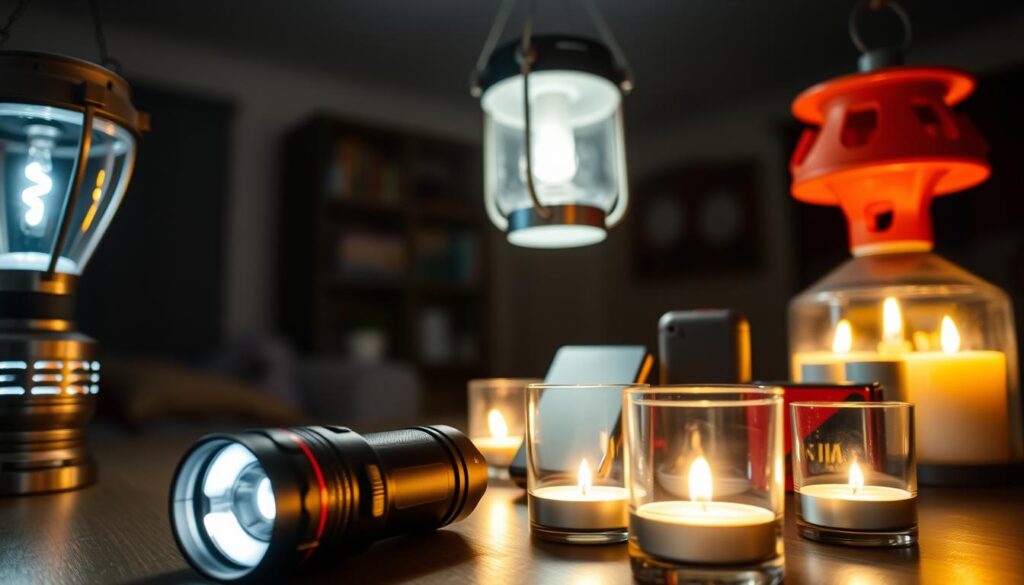
Staying Warm in Winter Without Electricity
It’s important to know how to stay warm without power in winter. Wear many layers and use blankets to keep warm. Use plastic sheeting and duct tape to block drafts.
Close off rooms you don’t use to keep warmth where you are. If you have a fireplace, make sure you have dry wood. A multi-tool in your emergency kit can be useful for many tasks, including managing light and heat.
Staying Connected During an Outage
Keeping in touch during a blackout is key to safety and love. Knowing how to keep devices working and how to use community resources is important. We’ll talk about phone battery tips, using chargers, and community help.
Maximizing Phone Battery Life
To keep your phone alive, start by dimming the screen. Turn off apps you don’t need. Use airplane mode to save battery.
Also, turn off Wi-Fi and Bluetooth when not needed. This helps a lot during emergencies.
Using Portable Chargers and Power Banks
Portable chargers are especially useful during blackouts. Make sure they’re charged before the power goes out. Look for power banks that can charge from the sun.
Connecting your phone to a power bank can give you more time online. For more tips, check out this link.

Community Resources and Updates
Using local resources is key. Shelters and libraries often have charging spots and Wi-Fi. Stay updated with battery radios and emergency broadcasts.
Internet providers like Xfinity and T-Mobile have backup plans. These can keep you connected when needed.
Here’s a look at some services:
| Service | Cost | Benefits | Limitations |
|---|---|---|---|
| Xfinity Storm-Ready Wi-Fi | $7/month | Unlimited data, 4-hour battery backup | Rechargeable battery needed |
| T-Mobile Home Internet Backup | $20/month | Free equipment, 130GB data cap | Limited to T-Mobile customers |
| AT&T Home Internet Backup | Varies | Eligibility for AT&T Fiber customers | Availability in select areas |
Knowing your options helps you stay connected during outages.
Handling Water Supply Issues
When there’s a power outage, having enough water is key. Knowing how to store and manage water is essential. Here are some tips to help you.
Conserving and Storing Water
It’s important to store enough water for your family. You should have at least 1 gallon of water per person per day. For two days, that’s 2 gallons per person.
It’s also wise to change the water every six months. This keeps it clean and fresh. For more tips, visit this guide.
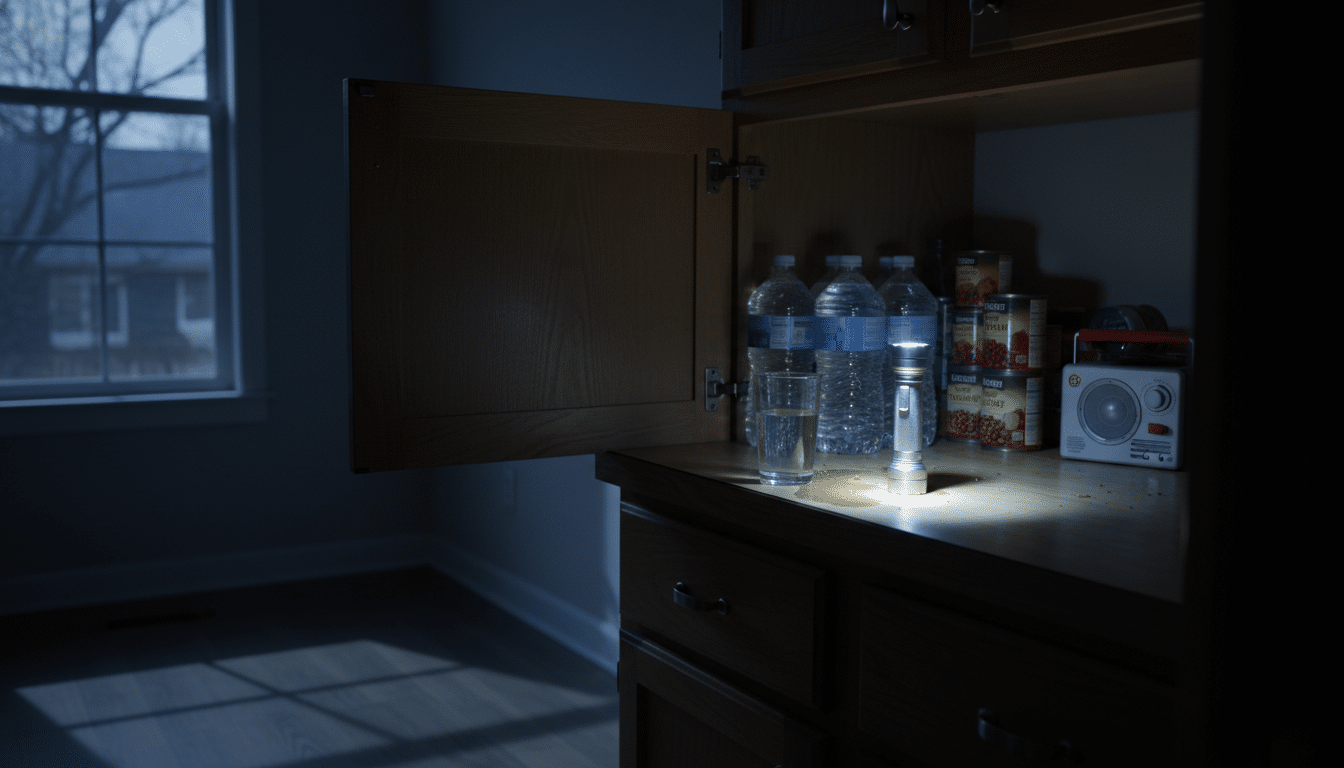
Boiling Water Safely at Home
Boiling water is a simple way to make it safe. Just boil it for at least one minute. This kills most germs.
Make sure you have fuel, such as propane or charcoal. This helps you boil water when there’s no power.
Alternatives for Cleaning and Hygiene
Keeping clean without running water can be a challenge. But, with the right prep, it’s doable. Use moist towelettes and hand sanitizers instead of washing hands.
For dishes, use disposable plates and utensils. This saves water. Also, set aside some water for cleaning. This helps keep things clean during the outage.
| Supply | Quantity per Person |
|---|---|
| Stored Water | 2 gallons (for 2 days) |
| Moist Towelettes | 20-30 pieces |
| Hand Sanitizer | 8 oz. bottle |
| Disposable Plates | 4-6 pieces |
Being prepared can make power outages easier. Follow these tips to handle water issues well.
Entertainment and Comfort
Keeping spirits high during a long power outage can be tough. But with a little creativity and the right household items, you can have fun and relax. Here are some tips to keep you busy, creative, and calm.
Fun Activities to Keep Busy
When the lights go out, find fun that doesn’t need electricity. Board games like Monopoly and chess; timing and frequency of power outages; being careful with generators to avoid carbon monoxide; pet supplies; solar; and Scrabble are great for family fun. A bonfire is also fun and helps lower blood pressure, making everyone feel calm.
Crafting and Hobbies Without Power
Doing creative things can be very rewarding during a blackout. Try carving avocado seeds or making jewelry with items you have at home. Painting and other art can also help you grow creatively and keep your mind sharp.
Mindfulness and Relaxation Techniques
Mindfulness is important for staying calm during a power outage. Reading a book by candlelight can help fight depression and improve your brain and sleep. Doing acro-yoga with your partner can make you stronger and closer. Stargazing is also peaceful, thanks to the clear sky.
For more ideas on fun activities during a blackout, check out this article. It has lots of fun and relaxing things to do.
Staying Informed and Updated
Learning how to survive a power outage begins with knowing what’s happening. Watching reliable news sources is key during a blackout.
Battery-Powered Radios and Other Devices
Using battery-powered or hand-crank radios is vital. They give you weather updates and emergency alerts. This helps you stay safe during tough times.
Reliable Sources for Information
Knowing where to find good info is important. Local TV and radio stations share emergency messages. Also, get local emergency alerts on your phone for quick updates.
This resource has tips for staying safe during blackouts. It helps keep your family safe.
What to Do If the Outage Lasts Longer
Long power outages bring extra challenges. Keep devices charged with portable chargers. Make sure you have fresh batteries for radios.
Knowing the difference between weather alerts helps. It lets you plan and stay safe longer.
After the Outage: Clean-Up and Recovery
When the power comes back, clean-up and recovery are key. First, check your home for damage. Look for electrical hazards, such as exposed wires or water damage near outlets.
Fixing these problems quickly keeps your home safe and working right.
Assessing Damage and Safety Checks
Do a full walk-through of your home. Check if any appliances were damaged and if they’re safe to use. Also, check your food—throw away anything that went bad during the outage.
Look at your emergency lights too. See if they need more batteries or if you need to get new ones.
Restocking Supplies for Future Outages
After you’ve cleaned up, focus on restocking your emergency supplies. Use your 2-day blackout plan to make sure you have everything you need next time. Recharge your portable chargers and power banks, and get new batteries.
Also, make sure you have enough non-perishable food and water. Update your emergency kit based on what you learned this time to be even more prepared.
Emergency Contacts for Utility Assistance
Keep a list of emergency contacts, like your utility providers, ready. Call them if you have ongoing issues or need help restoring your service. This helps fix problems fast and gets your life back to normal.
Being ready for these steps helps you recover and prepares you for the next outage.