How to lower cholesterol naturally for a healthier heart
Discover effective strategies to lower cholesterol naturally, promoting heart health through healthy diet, exercise, and natural remedies for better cholesterol management.

How to lower cholesterol naturally for a healthier heart: Cholesterol isn’t the enemy, but high levels can be a risk. High cholesterol increases the chance of heart disease and stroke. So, heart health starts with daily choices.
This guide offers practical ways to manage cholesterol naturally. It focuses on heart-healthy eating, like DASH and TLC. It also suggests regular exercise and maintaining a healthy weight.
It also explores natural supplements. Some can help with LDL or triglycerides. But they shouldn’t replace medical care or proven habits. For more on heart risk and quick action, check out heart attack warning signs and prevention steps.
The goal of the sections ahead is clear: to manage cholesterol naturally. We aim for heart health and safe, sustainable ways to lower cholesterol.
Key Takeaways
- High cholesterol levels increase the risk of heart disease and stroke.
- Most plans to lower cholesterol start with food, activity, and weight habits.
- DASH and TLC-style eating patterns emphasize whole foods and healthier fats.
- Regular exercise supports heart health and can improve cholesterol management.
- Some supplements may affect LDL or triglycerides, but evidence varies.
- Natural approaches work best when paired with routine checkups and medical guidance.
Understanding cholesterol levels and why they matter for heart health
Doctors check cholesterol levels to quickly see how well your heart is doing. These numbers help guide choices, like what foods to eat and how much to exercise.
What cholesterol is and how the body uses it
Cholesterol is a waxy, fat-like substance found in every cell. It helps produce hormones, make vitamin D, and aids in digestion.
Most of it is made in the liver. It travels through the blood on lipoproteins, like tiny delivery trucks.
LDL vs. HDL: “bad” and “good” cholesterol explained
LDL is called “bad” because high levels can clog arteries. This buildup can become serious over time.
HDL is called “good” because it helps remove cholesterol from the blood. It’s part of the cleanup crew that keeps your heart healthy.
How excess cholesterol can narrow or block arteries
Too much cholesterol can stick to artery walls. This can narrow or block arteries, limiting blood flow to the heart and brain.
This is linked to heart diseases. Keeping cholesterol levels healthy supports long-term heart health and makes managing it easier.
How to lower cholesterol with a heart-healthy diet
A heart-healthy diet is key for lowering cholesterol. It’s often paired with managing weight and staying active. Using plans like DASH or TLC can make it easier to stick to a healthy routine.
For cholesterol reduction, focus on everyday foods, not just one special meal. Making small changes at each meal can make a big difference.
Swap saturated fats for unsaturated fats like olive, canola, and safflower oils
The TLC diet suggests keeping total fat at 25–35% of daily calories. It also limits saturated fat to under 7%. This is because saturated fats can increase LDL levels more than any other factor.
Instead of butter or shortening, use olive, canola, or safflower oil for cooking. Also, cut down on saturated fats found in some meats, full-fat dairy, chocolate, baked goods, and deep-fried foods.
Limit high-cholesterol animal foods (organ meats, egg yolks, whole-milk dairy, shrimp)
The TLC diet recommends keeping dietary cholesterol under 200 mg per day. This means watching how much liver, organ meats, egg yolks, shrimp, and whole-milk dairy you eat.
It’s also wise to reduce processed meats like bacon and sausage. While an all-meat diet might seem simple, carnivore diet risks include missing out on plant fiber and essential nutrients.
Add more fruits and vegetables for fiber and nutrients that support cholesterol management
Fruits and vegetables are great for lowering cholesterol. They add fiber, vitamins, and minerals, making meals more filling. Soluble fiber, in particular, helps reduce cholesterol absorption.
Good sources include oatmeal, apples, bananas, oranges, pears, and prunes. Legumes like kidney beans, lentils, chickpeas, black-eyed peas, and lima beans also offer a heart-healthy boost.
Use nutrition labels to track saturated fat, fiber, and sodium
Nutrition Facts labels help spot saturated fat, cholesterol, fiber, and sodium. This makes it easier to follow a healthy diet consistently.
By comparing brands of chips, cookies, fast food, and frozen meals, you can avoid hidden saturated fat and sodium. Choosing higher fiber options often helps lower cholesterol without feeling restrictive.
Cholesterol-lowering foods to add to weekly meals
Creating a healthy diet can be simpler with a straightforward shopping list. Many foods that lower cholesterol can be easily added to meals without needing to cook more. Making small changes often can help lower cholesterol over time.
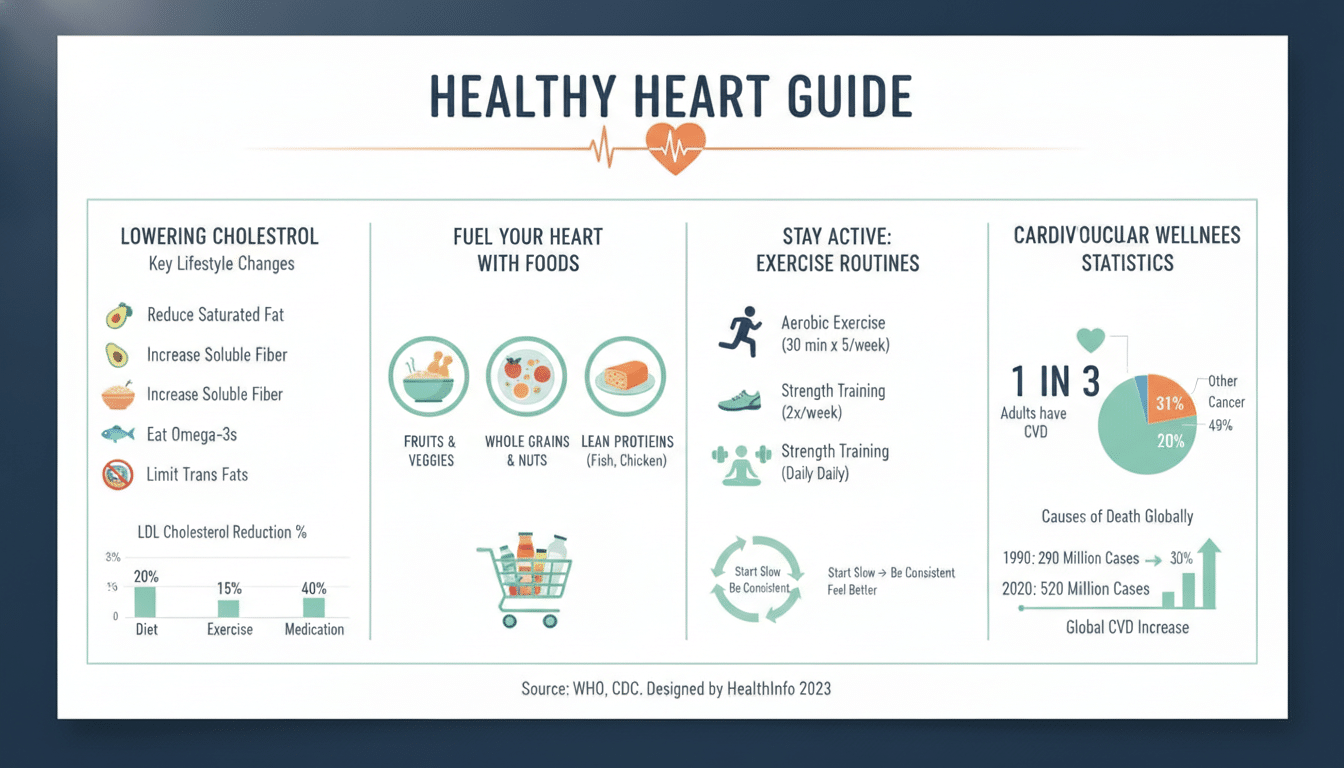
Oats and whole grains: beta-glucan and soluble fiber that can modestly lower LDL
Oats and barley have a special fiber called beta-glucan. This fiber forms a gel in the gut that can bind to cholesterol. This helps reduce how much cholesterol the body absorbs.
A study in the British Journal of Nutrition found that eating 3.5 g of beta-glucan daily from oats can lower LDL by 4.2%. For everyday portions, 40 g of porridge oats has about 2 g beta-glucan. Oat milk has about 1 g per 250 ml.
Adding whole grains like brown rice, whole-grain breads, and pasta can also keep fiber levels high throughout the week.
Beans and legumes: high-fiber plant proteins that support cholesterol reduction
Beans and legumes are rich in plant protein and fiber. They help with feeling full and support cholesterol reduction. Easy options include beans, lentils, peas, and chickpeas.
For variety, try different types like kidney beans, lentils, chickpeas, black-eyed peas, and lima beans. Budget-friendly meal ideas that use oats and beans can be found in quick, easy, and budget-friendly meal ideas. These can help keep a healthy diet consistent.
Nuts and seeds: satisfying snacks with healthy fats (watch portion sizes)
Nuts and seeds are great snacks because they’re full of fiber, protein, and healthy fats. Almonds, walnuts, and pistachios are popular choices for many meal plans.
It’s important to watch portion sizes because nuts are high in calories. A small handful is usually enough. This keeps cholesterol-lowering foods in your diet.
Keep pantry staples like walnuts, flaxseed, and chia on hand. Use them to top oatmeal, salads, or yogurt. This keeps your diet healthy.
Avocados and extra virgin olive oil: monounsaturated fats that support healthier lipid patterns
Avocados are full of monounsaturated fats that can raise HDL and lower LDL. They can be sliced for toast, added to grain bowls, or blended into dressings.
Extra virgin olive oil is a key part of the Mediterranean diet. It’s often used instead of butter or margarine. Oils like olive and avocado oil also contain plant sterols and stanols. These can help lower cholesterol when part of a healthy diet.
Natural remedies and supplements: what the evidence says
In the United States, many people turn to natural remedies to lower their cholesterol. These products can change lab numbers, but they don’t always match the success of prescription statins. For safer cholesterol management, they work best as part of a broader plan that includes diet, physical activity, and lab checks.
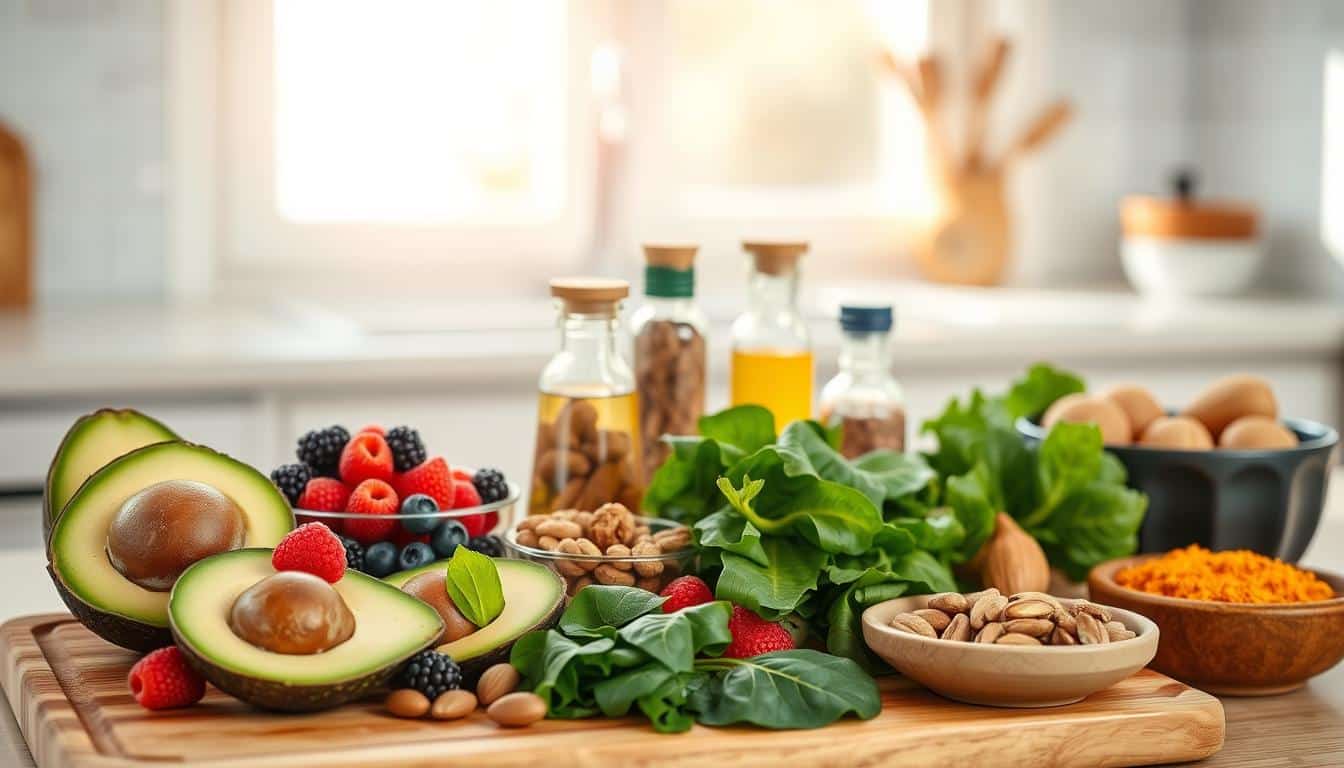
Plant sterols and stanols
Plant sterols and stanols can block some cholesterol absorption in the gut. Studies suggest about 2 grams per day as a common target. Higher intakes up to 3.3 grams per day have also been studied. They are often found in fortified spreads, yogurts, and some supplement capsules.
- They may fit best for people focused on LDL changes through diet-style tools.
- They need consistent use to support cholesterol management over time.
Garlic
Garlic shows mixed results across studies. Some trials report small shifts in cholesterol levels, while others show little change. Because the findings vary by dose and product form, garlic is usually treated as an optional add-on.
Red yeast rice extract
Red yeast rice extract can lower LDL, but it comes with real tradeoffs. Potency can vary from brand to brand, and some products may contain compounds similar to statin drugs. Long-term safety concerns and quality control issues make this option a more cautious choice.
Niacin (vitamin B3)
Niacin can change LDL and HDL at prescription-level doses, but it is not recommended as an over-the-counter supplement for routine cholesterol management. Side effects can include flushing, stomach upset, and liver stress, making it a supervised therapy.
Exercise for cholesterol and weight management
Exercise for cholesterol is more effective when it’s a regular habit, not just a quick effort. Regular physical activity helps the body use fats better and boosts fitness. It also supports heart health, which goes hand in hand with eating well and managing stress.

Carrying extra weight can affect cholesterol levels. Extra body fat can raise LDL and lower HDL, making heart health harder. A mix of cardio and strength training can help manage cholesterol while improving stamina and muscle.
- They can aim for about 30 minutes of moderate aerobic activity on most days.
- They can build strength twice per week, working all major muscle groups.
- They can spread activity across the week to reach about 150 minutes at a steady pace, or 75 minutes at a harder pace.
For weight loss, slow and steady is best. Many aim to lose 1–2 pounds per week. This often comes from a daily calorie deficit of about 500 calories. For more on setting realistic goals and a training plan, weekly exercise guidelines can be helpful.
Strength training is key during weight loss. It helps keep lean muscle, which helps maintain energy levels. Staying consistent with exercise for cholesterol makes managing cholesterol feel like a lifestyle, not just a diet.
Tip: A balanced diet, regular exercise, and stress control work better together. People who sleep well, manage stress, and stay active find it easier to keep up with exercise for cholesterol. This makes cholesterol management more predictable over time.
Omega-3s and triglycerides: supporting a healthier heart
Omega-3 fats are often talked about in cholesterol conversations. But they mainly affect triglycerides, a blood fat that can increase with too much sugar or extra calories. Keeping triglycerides low helps the heart, along with other steps to lower cholesterol.
What omega-3s do best
EPA and DHA, the two main omega-3s, help lower triglycerides more than LDL cholesterol. They help the body handle fats better. A 2023 study found that about 2 g/day of EPA plus DHA lowered triglycerides in many adults, including those with high cholesterol.
Omega-3s are best when part of a bigger plan for clearer cholesterol levels. They work well with fiber-rich foods, healthy oils, and exercise for better heart health and cholesterol reduction.
Food sources to put on the plate
Choosing foods first makes omega-3 intake easy and helps cholesterol levels over time. Oily fish is the best source of EPA and DHA. Brown University Health suggests eating two servings a week for heart health.
- Fatty fish: salmon, sardines, trout, mackerel, and anchovies
- Plant options (ALA): walnuts, flaxseed, and chia
For more on omega-3 foods and supplements and their effect on triglycerides, check out this omega-3 and triglycerides guide.
Supplement caution and dose awareness
Supplements can help some people, but they’re not a quick fix for cholesterol. The 2023 study found that more than 2 g/day lowered triglycerides but raised LDL cholesterol in some. This trade-off is important for managing cholesterol and heart health.
Outcomes can vary by group. A 2024 study found that fish oil supplements might increase heart problems or stroke risk in some but help those with heart disease. Always check with a doctor or dietitian before starting high-dose omega-3 products.
Lifestyle habits that strengthen cholesterol management
Our daily habits can greatly impact our cholesterol levels. Making small, consistent choices can help us eat healthier and exercise more regularly. This makes managing cholesterol easier over time.
Alcohol and cholesterol levels: how excess intake can raise triglycerides and contribute to weight gain
Drinking too much alcohol can lead to weight gain. This extra weight can increase LDL and decrease HDL, making cholesterol harder to manage.
Excessive alcohol intake can also increase triglycerides and blood pressure. For those who drink, it’s advised to limit it to 2 drinks a day for men and 1 for women. Some might find it best to avoid alcohol altogether.
Sodium and heart risk: lowering salt supports blood pressure even if it doesn’t directly lower cholesterol
Sodium doesn’t directly lower cholesterol, but it can impact heart health by affecting blood pressure. Most people aim for 2,300 mg of sodium daily, roughly 1 teaspoon, considering all sources.
Switching to “low-salt” or “no added salt” options can help. Use spices, citrus, garlic, and vinegar for flavor instead of salt.
Consistency matters: combining diet changes with regular activity for better heart health
Consuming fast food, fried items, processed meats, and sweets can hinder cholesterol management. Replacing these with fiber-rich foods and unsaturated fats is more effective when it becomes a regular habit.
Combining a healthy diet with regular exercise boosts heart health. It’s important to find activities that fit into your routine. Adequate sleep and stress management also play a role, as stress can lead to unhealthy cravings and disrupt routines.
How to Lower Cholesterol Naturally: Conclusion
To lower cholesterol, sticking to the basics is key. Eating a DASH- or TLC-style diet helps. Cutting saturated fat and adding soluble fiber are also important.
Reading nutrition labels is a must. It helps spot saturated fat, fiber, and sodium. This way, you can avoid unhealthy amounts.
Choosing healthy foods can become a habit. Oats and whole grains offer beta-glucan. Beans and legumes add fiber and protein.
Nuts are good in small amounts. Avocados and extra virgin olive oil are great alternatives to unhealthy fats.
Looking at supplements, plant sterols and stanols can help. They should be taken in about 2 grams per day. Some studies suggest up to 3.3 grams for better results.
Garlic research is mixed, and red yeast rice may lower LDL but raises safety concerns. Niacin at high doses is not recommended due to side effects.
Omega-3s are best for lowering triglycerides. They don’t do as much for LDL. High doses might even raise LDL in some.
For a more complete approach, consider a holistic lifestyle. This includes healthy eating, exercise, stress control, and traditional herbs. Check out a holistic approach to health. Over time, these steps can improve heart health and reduce disease risks.