Digital Movie Purchase Rights: Do You Truly Own Your Digital Movies
Explore Digital Movie Purchase Rights and discover what owning a digital title truly means. Understand your rights today!

Digital Movie Purchase Rights: Most people enjoy the ease of clicking a button to add a film to their collection. Building a personal library of digital movies seems like a smart way to store favorite stories. However, the reality of ownership in the modern age is quite different from the days of physical discs. See more entertainment news here: Entertainment – Network World News
When consumers pay for content online, they often assume it stays theirs forever. This shift toward digital media has raised many new questions about what users actually pay for. It is vital to understand your rights before spending money on a service that might change its terms later.
If a streaming company loses its license, your favorite films could suddenly disappear. This issue often catches viewers off guard when checking streaming catalog updates for their favorite titles. Knowing about Digital Movie Purchase Rights helps you protect your entertainment investment.
While the legal side is complex, it is easy to learn the basics. This article explains how you can keep your content safe and accessible. You will find simple, practical tips to manage your collections and understand the fine print of every click.
Do you have unlimited access to your digital purchases? The Short Answer is NO!
Purchasing a movie from your favorite streaming service does not mean you own it. Instead, you are paying for the right to stream the movie on your device for as long as the streaming platform has the licensing rights from the movie studio to make it available.
When Amazon loses the right to show a SONY film, it is removed from the Amazon platform, with no reimbursement from the streaming service. The only true way to have unlimited viewing of your purchased movie is to buy it on Bluray or DVD disk.
Digital Movie Purchase Rights Key Notes
- Clicking “buy” typically grants a license rather than permanent ownership.
- Platforms may remove titles if their licensing agreements expire.
- Physical formats provide more control than cloud-based collections.
- Service terms can change, affecting how you access your saved films.
- Understanding your legal standing helps protect your entertainment spending.
- Building a collection requires awareness of platform stability and rules.
What It Means to “Own” Digital Content
When a consumer pays for a movie online, they might be surprised to learn what they actually possess. For many, the “buy” button suggests a permanent addition to a personal library. Yet, the digital world operates on a different set of rules than the physical one.
The Definition of Digital Ownership
To truly own a digital file, a person should be able to access it at any time. This means watching or listening to the content without needing to make further payments. It implies a sense of perpetuity that lasts as long as a compatible device exists to play it.
This level of control mirrors how people used to collect physical tapes or discs. If someone cannot move, copy, or keep the file forever, their rights are likely limited. Finding the clear answer to what is actually held in a digital account is essential for every modern consumer.
Licensing vs. True Ownership
What a user usually acquires is a license to watch a video, not the file itself. They do not actually own the digital media files found on their favorite streaming platforms. Instead, the provider grants a specific type of permission to use the service.
“When you order or view content and pay any applicable fees, you will be granted a non-exclusive, non-transferable, non-commercial, limited license.”
This agreement includes several key restrictions that define the user experience. These terms ensure the company maintains control over how the content is distributed. The following points highlight common limitations in these agreements:
- Non-exclusive: Many people can access the same content simultaneously.
- Non-transferable: The user cannot legally give or sell their digital movie to another person.
- Limited: The provider can change or remove access based on their own rights and licensing deals.
Understanding Digital Movie Purchase Rights
When a user hits the “buy” button on a streaming platform, the legal reality is often different from what they expect. Most people assume they own the file forever, but the digital world operates under a different set of rules. Understanding these rights helps consumers manage their expectations about their entertainment libraries.
The transition from physical shelves to digital clouds has created some confusion for the average viewer. While the process feels like a standard transaction, it is actually a complex legal arrangement. This section clarifies what happens behind the scenes when you grow your collection.
What You’re Actually Buying
When someone makes a digital purchase, they are not buying the actual movie file to keep. Instead, they are paying for a specific licensing deal. This digital license provides limited permission to view the content through a specific platform.
Buyers are essentially paying for a service agreement rather than a transfer of physical property. This means the platform acts as a gatekeeper for the media. True ownership remains with the original creators and the hosting service.
Digital Movie Purchase Rights: The License Agreement Reality
Every transaction is governed by a complex legal agreement that outlines the rules of the road. Most users skip reading these lengthy documents, but they grant entertainment companies significant power. These entities decide how long a film stays in a library.
The terms of these deals specify how and where the viewer can access the content at any given time. These rules allow platforms to maintain control while offering the convenience of instant streaming. It is a balance between consumer access and corporate protection.
Non-Transferable Rights Explained
These digital rights are strictly non-transferable, which is a major shift from how physical discs work. A user cannot gift their digital library to a family member or sell it at a yard sale. The terms clearly outline the transaction’s limitations to protect intellectual property.
Most providers use strict language to ensure the films are not shared or redistributed without permission. This legal language is usually found in the fine print during the checkout process:
“You can’t sell, rent, lease, distribute, publicly perform or display, broadcast, sublicense or otherwise assign any right to the content to any third party.”
This restriction ensures the personal use of the film remains tied to a single account forever. Knowing these fundamental rules allows movie fans to make informed decisions when building their home theaters. It prepares them for the realities of modern media consumption and helps them properly value their digital collections.
How to Check Your Rights with Major Platforms
Checking your rights on major platforms is the best way to understand the future of your digital collection. Every company has a specific way of handling its library. It is vital to know these terms before spending money on a new film.
Most companies use complex legal language that can be hard to read. However, knowing what you sign up for helps protect your entertainment budget. Let’s look at how each major platform defines your purchase.
Apple iTunes Terms and Limitations
Apple wants you to keep your files safe on your own hardware. They state it is your responsibility not to lose or damage the video once you download it. They encourage you to back up your files regularly to avoid losing access.
The company grants a nontransferable license to use their apps on any Apple-branded products you own. This means you cannot give your movies to a friend or sell them later. The license remains strictly tied to your personal account.
Vudu by Fandango Viewing Periods
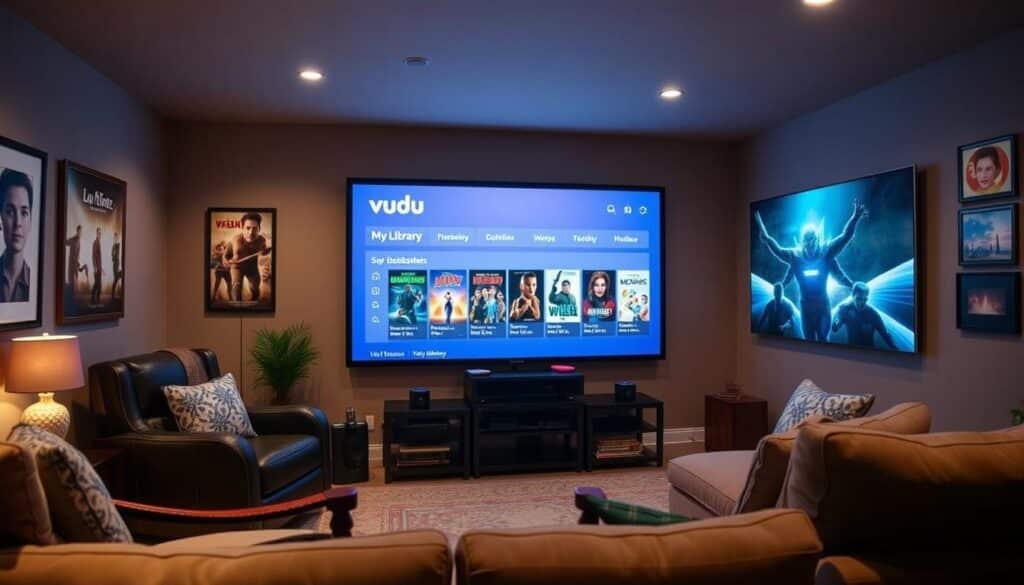
This service uses words like “buy” to sell its films. However, the agreement states that your ability to stream could terminate if the licenses change. You might see titles from various software organizations disappear if a provider pulls their support.
Vudu admits that viewing periods for “purchased” content are not always indefinite. If their deal with a studio expires, you could lose the ability to stream that title. This makes local downloads a much safer option for long-term fans.
Disney+ Subscriber Agreement Details
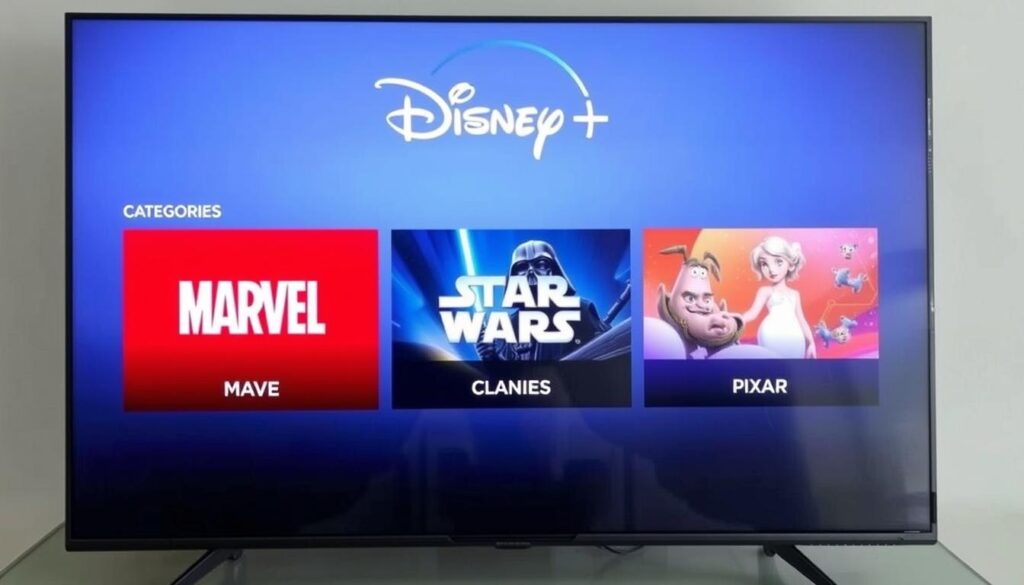
The Disney+ streaming service grants you a limited, revocable right for personal use. They are very clear that buying a film does not create an ownership interest. You are mostly paying for a long-term access pass to their library.
This right is non-transferable and can be taken away if you break their rules. Since Disney owns most of this content, the risk is lower than with other services. Still, the legal fine print remains quite strict about your lack of true ownership.
Movies Anywhere Service Rights
The Movies Anywhere digital locker allows you to sync your films across different providers. It provides a personal, non-exclusive license to watch your films on many platforms. This makes it easier to enjoy your library on different services.
Even so, this service can revoke those permissions at any time for any reason. They act as a bridge between other providers to keep your library organized. It is a great tool, but it does not change the basic license rules.
Amazon Prime Video Availability Terms
Amazon notes that purchased content should stay available for your use. But they warn that a film may become unavailable if a provider changes their licensing. Different providers often have the power to restrict how you watch your favorite streaming films.
If a studio decides to leave the platform, your “owned” movie might vanish. This is a common part of their service terms that many users overlook. Always check the current status of your library to ensure nothing has gone missing.
Google Play Store Content Policies
Google admits it may remove your content if it loses the rights or the service ends. They might offer a refund or a replacement, which is a rare feature among major streaming platforms. This makes them a bit more consumer-friendly than some of their rivals.
Just remember to use protective covers for your devices when downloading files to a mobile phone. Physical damage to your hardware can be just as bad as losing a digital license. Protecting your gear is just as important as reading the legal fine print.
How Digital Rights Management (DRM) Affects Your Access
Digital rights management acts as a silent gatekeeper for every movie in a virtual library. This technology helps studios protect their assets, but often limits what the buyer can actually do. It is the main reason why a “purchased” file feels different from a physical disc you might hold in your hand.
Just as you look for personalized treatment options in healthcare, you should find the best ways to handle your media. Understanding digital rights is the first step toward becoming a more informed consumer in the modern age. These rules are usually hidden, yet they dictate your entire viewing experience.
What DRM Technology Does
This technology is essentially embedded code that controls how a person can engage with the media they paid for. Digital rights management allows companies to set specific rules for every file in their store. It can track how many times a user views a movie or which hardware is allowed to play it.
This rights management software works constantly in the background to ensure security. Its primary goal is to ensure that only authorized users have access to the film. Without this code, digital piracy would be much harder for studios to prevent or track.
Transfer and Copy Restrictions
One major hurdle for consumers is the inability to make a private copy of their movies. These digital rights prevent users from creating backups or changing the file format for better compatibility. You cannot simply move the movie to a thumb drive to play it on a friend’s television.
Even though the user paid for the file, the code prevents any unauthorized duplication. Attempting to bypass this management is actually illegal under current federal laws. This restriction remains in place even if you only want to save the movie for your own future use.
Platform Lock-In Effects
Most digital movies are tied to a specific platform, creating a “walled garden” effect. This rights management strategy makes it very difficult to switch ecosystems without losing your library. For example, a movie purchased on one service might not work on devices from another brand.
Ultimately, the way companies use digital rights determines how a customer can enjoy their entertainment. These rules prevent you from making a copy for another app or player. You are essentially tied to the content provider’s specific rules for as long as you own the content.
- DRM prevents unauthorized sharing with friends or family.
- It limits the number of screens that can stream at once.
- It requires a constant or frequent internet check-in for many titles.
Scenarios Where You Could Lose Your Digital Movies
Buying a film online feels secure, yet various legal and technical factors could cause your favorite titles to disappear. Even though you paid for the content, your access is not always guaranteed, unlike with a physical DVD. Most of these situations involve legal agreements happening behind the scenes.
Understanding these risks helps you decide if a digital-only lifestyle works for you. While losing a library is not common, it remains a real possibility in the digital age. This contrast highlights why some collectors still prefer having a shelf full of discs.
When Licensing Agreements Expire
Licensing agreements are the backbone of the streaming world. If a major company like Disney decides to end its partnership with a service, things get complicated. They could theoretically force the platform to block movies you already bought.
Content may become unavailable due to these shifting provider restrictions. Studios hold the power to pull titles from store shelves and digital lockers alike. This means your content library depends entirely on the current legal relationship between the studio and the seller.
If Platforms Go Out of Business
What happens if a digital business fails? While a media company going out of business sounds scary, most libraries are saved by corporate acquisitions. The new owners usually carry over your rights to watch the films you purchased.
Vudu provides a great real-world example of this transition. Walmart owned the site for over a decade before Fandango Media purchased it. As with the TikTok legal battles we see today, corporate shifts often affect how we use our favorite apps.
Geographic and Travel Restrictions
Your right to watch movies might stop at the national border. Even during a short vacation, regional licensing can lock you out of your digital movies. This happens because studios sell distribution rights separately for different countries.
If you move to another country permanently, you might lose your entire library. The terms of service often restrict viewing to the region where you made the purchase. It is a frustrating reality for many international travelers and expats.
Account Termination Risks
Violating the service terms of use can lead to a permanent ban. If a provider closes your account, you typically lose every movie you ever bought from that provider. This shows that consumers have a lot less control than they might realize.
- Policy Violations: Breaking community rules can trigger an immediate account freeze.
- Payment Disputes: Billing issues may result in restricted access.
- Inactivity: Some smaller platforms may close accounts that remain unused for years.
How to Download and Back Up Your Digital Library
Securing a digital collection requires proactive steps to ensure movies remain accessible even if the internet fails. While streaming provides instant gratification, it offers little security if a provider loses licensing rights. Users should focus on creating a local footprint for their library to maintain access.
Step 1: Identify Which Services Allow Downloads
Not all services offer the same level of flexibility for offline viewing. Some platforms restrict downloads to mobile apps, while others allow computer-based storage. It is vital for users to check which platforms support high-quality offline files for their purchased movies.
Step 2: Download Content to Authorized Devices
Once a platform is chosen, the next step is to move the content to devices that the service recognizes. For example, Movies Anywhere allows users to save eligible titles to up to 8 devices at once. This ensures that the family can watch their favorite films on different hardware without needing a live connection.
Step 3: Create Backup Copies Where Permitted
Creating additional copies can provide a safety net against hardware failure. Apple actively encourages this practice by suggesting that users should regularly back up their local copy of a film. They provide specific guidance on this responsibility to prevent the loss or damage of a purchase.
“It is your responsibility not to lose, destroy, or damage Content once downloaded. We encourage you to back up your Content regularly.”
Users can find a variety of free downloads and tools to help manage their digital assets effectively. While DRM might limit where these copies can be played, having the raw data is better than relying on a cloud link.
Step 4: Maintain Device Authorization
The final step is to ensure that all hardware remains properly authorized within the provider’s ecosystem. Many services require a periodic “check-in” where the device connects to the internet to verify the license. If a user neglects this, they may find their offline streaming files temporarily locked until they re-authenticate.
How to Find and Use DRM-Free Alternatives
Escaping the limitations of traditional digital platforms is easier by exploring the DRM-free landscape. Finding digital media without restrictive locks gives users the freedom they deserve. While movies often come with heavy protections, many other categories allow for true ownership.
By choosing specific stores, a collector ensures their library remains accessible regardless of a company’s future. This shift in purchasing habits protects the longevity of a personal collection. It also rewards companies that respect buyer rights.
Locate DRM-Free Content Providers
Several specialized providers prioritize consumers’ rights over restrictive licensing. For instance, GOG offers video games without any digital locks. Those who enjoy music often turn to Bandcamp, while Smashwords is a popular choice for DRM-free books.
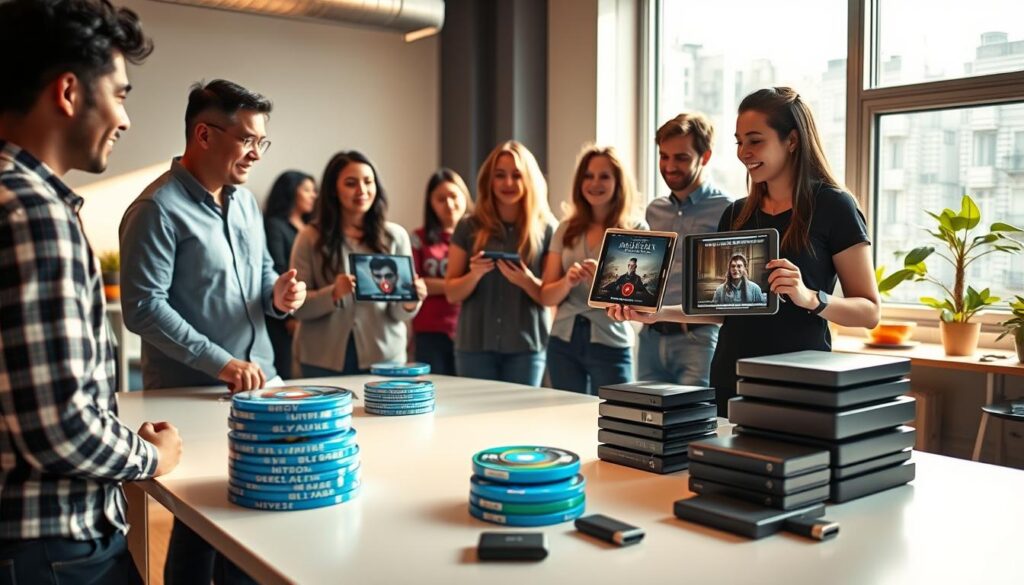
Even major retailers like Amazon provide DRM-free books and tracks when publishers allow it. This is especially common for music purchases, where the files are frequently open for use on any device. These platforms let users download their files directly to a hard drive.
Convert Existing Files When Legal
If a user has older downloads with digital locks, they might have legal ways to update them. Many older files can be converted to high-quality formats such as FLAC or WAV. This process creates a more permanent version of the item that survives platform changes.
Checking the original terms of sale is important before starting any conversion. Some services allow a one-time upgrade to an unprotected format for a small fee. This ensures the use of the file remains legal and ethical.
Understand Format Compatibility
“The beauty of DRM-free content is that it belongs to the user, not the corporation.”
Most DRM-free files work across various devices without needing a constant internet connection. Using open formats makes a digital library future-proof. It allows the owner to move their media between different apps and hardware without hitting a wall.
This flexibility is the opposite of the restricted experience found in most streaming apps. By purchasing content that lacks digital restrictions, collectors maintain total control over how and where they watch or listen. It is the most reliable way to build a digital legacy that lasts.
How to Secure True Ownership with Physical Media
True ownership remains a reality for those who choose to stock their shelves with tangible discs rather than cloud-based licenses. If someone is worried about losing a favorite movie, the solution is to go physical. Companies find it much harder to prevent people from watching a physical DVD or Blu-ray in their own homes.
Unlike streaming, these formats do not disappear when a licensing deal between a studio and a platform ends. A tangible disc works regardless of server status or internet connectivity. It represents a one-time investment that guarantees lifetime access.
Purchase 4K Blu-rays and DVDs
Choosing to purchase high-quality discs ensures the viewer has the best of both worlds. A physical movie collection provides a sense of security that digital files cannot match. These physical media formats deliver superior bitrates and consistent performance every time.
| Feature | Physical Discs | Digital Purchase |
|---|---|---|
| Control | Full User Control | Platform Dependent |
| Offline Use | Always Available | Often Limited |
| Longevity | Decades | Subject to License |
Activate Digital Copy Codes Promptly
Many discs include a code to unlock digital copies for streaming on the go. However, these copies do not last forever, as most have a specific expiration date. Owners should redeem these codes right away to maximize the value of their media.
Store Physical Media Properly
Protecting an investment requires keeping movies in a cool, dry place. Case integrity helps prevent scratches on a DVD and ensures longevity for decades. Proper care prevents the disc from degrading over time.
Organizing the movies helps prevent physical damage during handling. Some people even choose to rip their CDs or discs to a hard drive for a personal backup. This creates a digital version that lasts as long as the hardware stays functional.
Maintain Playback Equipment
Owning a DVD requires a working player, which might need occasional care. While some players receive updates via the web, they can still function completely offline. This prevents digital rights management from interfering with a viewing session.
Consumers who troubleshoot tech issues often prefer the reliability of physical formats. Keeping a spare DVD player ensures the library remains accessible even if newer tech shifts. It is a simple way to stay in control of one’s entertainment future.
Legal Context and Consumer Protection
To find the real answer about digital ownership, one must look at a century of legal history. The current law governing what you buy is not just a modern invention. It is actually part of a long-standing effort by media companies to control distribution.
Hollywood’s focus on these rules is often about more than just protecting artists. These efforts aim to maintain control over revenue streams and how content reaches the public. Understanding this context helps clarify why digital libraries feel so temporary compared to physical shelves.
The Digital Millennium Copyright Act Impact
The Digital Millennium Copyright Act significantly changes how your digital rights work in the United States. This law protects content providers’ interests by making it illegal to bypass digital locks. It essentially gives studios the power to decide how you use your content on various devices.
Historical Copyright Restrictions
Media companies have long tried to limit consumer rights. In the early 20th century, book publishers tried to set minimum resale prices on every copy sold. By the 1930s, record labels added “private use only” notices to stop radio stations from playing music without extra fees.
Even in the 1980s, movie studios fought to control the video rental market for cassettes. These historical patterns show that the struggle over ownership is not a new part of the entertainment world. For many people, this reveals that current digital terms are just the latest version of an old tactic.
Current Legal Challenges and Cases
Finding a definitive answer to current ownership questions is difficult because the legal landscape is still shifting. Currently, a major case regarding digital ownership rights is moving through the California court system. This case could provide a much-needed answer for consumers who want more permanent access to their purchases.
Your Consumer Rights
Despite these restrictions, you still have the right to access content in accordance with the platform agreements. It is important to remember that your right to view a movie is often a license rather than physical possession. Understanding this framework empowers you to make smarter buying decisions for your collection.
Digital Movie Purchase Rights Conclusion
Building a modern media library is about finding the right balance between digital ease and physical security. Navigating the world of digital media requires a clear answer regarding who controls your content. Most users eventually realize that when they purchase digital movies, they are actually buying a license.
This right to watch usually depends on the platform and its specific terms of use. It is a part of the modern entertainment landscape that every answer should address.
While this reality might feel like a lot to accept, streaming services provide a valuable service for most households. They offer a huge collection of titles at an affordable price.
For many, the convenience of streaming outweighs the technical nuances of ownership. Flexibility is often the most important part for modern viewers.
The risk of losing access to video content exists if companies go out of business. However, major streaming services have stayed reliable for a long time.
To stay safe, users can download movies to authorized devices to protect their libraries. Taking these small steps can provide a simple answer for any video enthusiast who values their service.
We have seen music and books move toward more open formats over the years. Digital music, specifically, has embraced DRM-free music options that allow for greater music freedom.
Many hope that video will follow this path in time as consumer demand for better service grows.
Building a collection of movies and films should be a fun experience. By using a hybrid approach, users can enjoy streaming services while keeping their absolute favorite titles secure.
This balance is the right way to make the most of every dollar spent on a personal library. It is the best part of managing your video libraries in a rapidly changing business.
Having the right ownership strategy ensures your video price is always worth it. Finally, many digital movies are now available on multiple streaming apps. Enjoying streaming movies is easy when you know how to use your assets.