Is the Iran Deal good for the American people? What you should know
Explore the Iran Deal and its implications for the American people, including its effects on international diplomacy and middle east stability.

As he flew, President Donald Trump said the Iran deal is beneficial for Americans because markets liked it. He uses oil, gas, and stock prices to show it helps everyday people. He believes it makes budgets easier to manage.
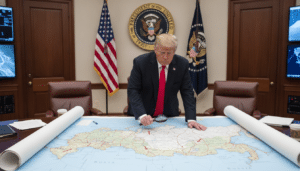
Trump signed the deal at the Palace of Versailles on Wednesday. In a video, he quickly noted that oil prices are down, and stocks are up. This turned a big diplomatic moment into a quick test of confidence. You can find more on the policy shift in the Trump-Iran deal breakdown. Also see: Iran peace deal, is it confirmed? Latest Updates and Facts
He shared the same message on Truth Social while flying home. He said the stock market “just hit a RECORD HIGH,” and oil prices are “tumbling.” He sees the deal as proof that diplomacy can quickly move markets.
The big question is if these early wins last. Supporters say calm diplomacy can help stability in the Middle East. Critics, including some Republicans, worry that the benefits might be short-lived and that risks could appear quickly.
Trump’s team highlights consumer-friendly numbers: oil under $80 a barrel and gas under $4 a gallon. But opponents say problems could arise in 60 days. Sen. Bill Cassidy of Louisiana called it “a lousy deal.” The debate also involves U.S. involvement in conflict talks, as seen in reporting on Iran’s push for U.S.
Key Notes
- The Iran Deal is being judged first by market reaction, which Trump highlights as a key signal.
- Trump signed the Iran deal at the Palace of Versailles and immediately pointed to oil and stocks.
- Trump’s public pitch links international diplomacy to kitchen-table costs like gas and inflation pressure.
- The White House cites crude below $80 and average U.S. gas below $4 after a sharp monthly drop.
- Critics argue the agreement could bring strategic risks, with warnings of fallout within 60 days.
- The debate ties foreign policy negotiations to Middle East stability and long-term U.S. security.
What’s in the deal and why markets reacted fast
Markets moved quickly because the Iran nuclear deal was seen as a risk-off switch. Traders looked for changes in shipping lanes, barrels, and price screens. They also expected a broader nuclear agreement from foreign policy negotiations.
Trump’s signing and immediate market message from the Palace of Versailles
After signing at the Palace of Versailles, Donald Trump sent a market signal. He pointed to oil prices dropping and stocks rising. This was meant to show that nonproliferation efforts could bring quick economic benefits.
Oil and gas price moves cited by the White House
The White House highlighted numbers that consumers know. Crude oil was under $80 a barrel, and U.S. gas prices were under $4 a gallon. This was seen as a quick win from easing tension, even as the full agreement details were debated.
Stocks opened higher as traders watched the Strait of Hormuz reopening
Equity markets also showed a positive shift. The Nasdaq, S&P 500, and Dow Jones Industrial Average opened higher. Investors were watching for the Strait of Hormuz to reopen, showing relief in foreign policy negotiations.
Why the Strait of Hormuz matters to global energy and US prices
About 20% of the world’s oil moved through the Strait of Hormuz before the war. Small changes there can affect global crude prices. These prices, in turn, influence U.S. gasoline and diesel costs.
Vice President JD Vance said the plan was already showing results. He mentioned 12.5 million barrels moving through overnight. He said the channel looked the same as before the conflict.
But markets are looking for durability. Signum Global Advisors told clients that more U.S.-Iran conflict was likely. They also thought the initial 60-day negotiation period would be extended. This could provide short-term calm, even as the deal faces tough questions.
Iran peace deal confirmed? Latest Updates and Facts
Iran Deal: benefits Americans may feel now vs. risks critics warn about
The Iran nuclear deal is a big topic in international talks. Supporters say it helps Americans every day. Critics worry about long-term risks.
As talks change, people ask, “Does it help the Middle East and keep pressure on Iran?”

Near-term upside for US consumers: energy prices, inflation pressure, and market sentiment
Markets react fast to news. Lower oil prices and gas costs help families save money. This can ease inflation worries.
When stock markets go up, it boosts retirement savings and confidence. Supporters say this shows the deal’s benefits in everyday life.
White House framing: “peace plan” and “real fruits,” including reported oil flow overnight
The White House talks about calm seas and steady trade. JD Vance calls it a “peace plan” with benefits like oil flowing smoothly.
This message links Middle East peace to lower costs at home. It shows diplomacy can prevent big problems.
Key controversy: allowing Iranto to profit from oil sales immediately
Many criticize the deal for allowing Iran to profit from oil quickly. Donald Trump defends it, but critics fear it could help Iran grow strong again.
Punchbowl News says oil is Iran’s main way to fund terrorism. Critics worry easing sanctions too soon could weaken U.S. allies.
Sanctions relief and frozen assets: the debate over “buckets of cash” and strategic leverage
Another big issue is the money Iran has abroad. Trump says not returning it could hurt the dollar. But opponents say it weakens U.S. power.
- Supporters say rules in the Iran deal balance relief with oversight.
- Sen. Ted Cruz and Sen. Bill Cassidy worry about giving Iran money, saying it’s hard to regain leverage.
- The Wall Street Journal and Israeli media outlets such as The Times of Israel and The Jerusalem Post are critical.
Critics worry about timing, saying disputes could flare up soon. They question whether diplomacy can stop Iran’s nuclear plans and keep the region stable.
Conclusion
The Iran Deal is seen as a quick fix by some. The administration says oil prices are down, gas is cheaper, and stocks are up. They believe this shows the deal is calming markets and helping families.
Supporters say the deal brings stability to the Middle East. This stability is felt at the pump. With 20% of the world’s oil passing through the Strait of Hormuz, any trouble there is a worry for the U.S.
The White House points to steady oil flows as a sign of success. They say this shows the deal is working, even with sanctions in place.
But critics have big concerns. They say the deal lets Iran make money fast and could give it access to billions. They worry it weakens efforts to stop nuclear growth.
Trump believes his approach avoids big market shocks. But the deal’s details and limits are a big topic of debate. This is explained in this JCPOA backgrounder.
The deal’s success will be tested over time. Even if things seem calm now, experts say we must watch the next 60 days. This is when talks will either fail or be extended.
Regional tensions also play a big role. The fragile ceasefire between Israel and Hamas is a recent example. It shows how quickly things can change.