Money Problems Hitting Middle-Class America as CPI Climbs
Money problems are impacting middle-class America as CPI climbs, leading to financial struggles and increased debt management challenges for many families.

Middle-Class Money Problems:
As the CPI keeps climbing, money problems are showing up in places where many middle-class households once felt safe. This includes the weekly grocery run, the utility bill, and even routine car repairs. For many families, the squeeze is not about one big crisis. It is the steady pileup of smaller costs that turns normal budgeting into daily financial stress.
Food Prices Expected to Skyrocket: Here’s Why
Those financial struggles are also colliding with retirement planning. A record number of Americans are turning 65 each year through 2027. This is right as the full Social Security retirement age continues its long shift from 65 to 67 under the 1983 law. People can claim reduced benefits at 62, but filing before full retirement age locks in smaller checks for life. Waiting until full retirement age brings 100% of the benefit, and delaying after that can raise it by 8% per year until age 70.
Why is Everything So Expensive? The Story Behind 2026 Inflation
The trade-offs feel sharper during inflation. As of January 2026, the average Social Security benefit was $2,071, according to the Social Security Administration. This is compared with $207 in 1975. That jump helps explain why many near-retirees watch monthly cash flow so closely when prices rise, even if they have a paycheck.
Newer rules and updates have added more moving parts. A 2026 cost-of-living adjustment of 2.8% was announced after a shutdown delayed the release of inflation data. 2025 changes brought higher earnings-test limits, a higher payroll-tax wage cap, and updated work-credit thresholds that affect eligibility planning. For a quick overview of those updates and their implications for timing, readers can review the new Social Security changes while weighing their own financial stress.
Inflation pressure is also visible in local housing debates, where “affordable” can be hard to reach. In Silicon Valley, Mountain View’s workforce housing experiment offers a clear snapshot of how money problems can persist even when rents are discounted, as reported in this Mountain View workforce housing report. For middle-class workers, the story behind the numbers often sounds the same: earnings may be solid on paper, yet financial struggles keep building as costs outpace raises.
Key Notes
- Rising CPI is driving money problems that hit daily essentials first, not just big-ticket items.
- Middle-class households report growing financial stress as routine bills crowd out savings.
- Social Security timing matters more during inflation: claiming at 62 cuts benefits, while waiting can boost lifetime income.
- As of January 2026, the average Social Security benefit was $2,071, a useful benchmark for retirement budgeting.
- Recent rule changes, including COLA and updated earnings-test limits, add complexity to retirement decisions.
- Housing “deals” can leave workers struggling financially, even in high-cost regions.
Money problems spread as CPI climbs and middle-class budgets tighten
As prices rise, many families face financial troubles every day, not just in their monthly budgets. When prices rise on things they buy weekly, it feels like a constant squeeze. This gap between what’s reported and what they feel makes planning a daily challenge.
High-Demand Careers Expected to Grow in 2026
Why inflation feels worse than the headline rate for everyday households
“Felt inflation” shows up in everyday items like groceries, utilities, and commuting costs. These are the things people often buy. Even a small increase can add up quickly, causing real financial stress.
Many families use budgeting tips to cope. They plan meals, cook in bulk, and choose store brands over national labels. Using coupons and cash-back apps can also help, like budgeting tips that stretch each trip.
Financial stress signals: rising reliance on credit, shrinking emergency funds, and delayed major purchases
When budgets get tight, warning signs appear. People use credit cards more for everyday needs, save less, and delay big purchases. Some even stretch out bill payments to keep cash on hand.
Inflation can also affect retirement choices. Claiming Social Security at 62 means a smaller check. Waiting until full retirement age (FRA) or delaying to 70 increases the monthly benefit. In tough times, some claim early to cover bills, even if it hurts their long-term finances.
Where financial hardship shows up first: groceries, utilities, transportation, and insurance
The first signs of trouble are in essential items: food, utilities, transportation, and insurance. These can’t be skipped, leaving little room for flexibility. This is why financial hardship can occur even with the same income.
- Groceries: fewer extras, more meal prep, and tighter shopping lists
- Utilities: higher seasonal bills with limited ways to cut usage
- Transportation: longer commutes, pricier repairs, or higher premiums
- Insurance: renewals that jump without warning
Money management pressure points for families earning “too much” for aid but not enough for comfort
Many middle-class families find themselves in a tough spot. They earn too much for aid but not enough to handle rising costs. This is where money troubles often become chronic, and budgeting becomes a survival skill.
For family planning, FRA details matter because timing affects lifetime income. The schedule is:
- Born 1943–1954: FRA 66
- 1955: 66 and 2 months
- 1956: 66 and 4 months
- 1957: 66 and 6 months
- 1958: 66 and 8 months
- 1959: 66 and 10 months
- 1960 or later: 67
- If born on Jan. 1, FRA aligns with the previous year’s schedule
Plans often clash with reality. A 2024 survey found the median retirement age is 62, but people start collecting Social Security at 64. Many planned to wait until 65 but can’t.
Health issues push 35% to retire early; 31% do so due to job changes, and 35% because they can afford to. For those forced out by health problems, applying for disability benefits can provide an unreduced benefit that later converts to retirement benefits at FRA. This option can shape money management decisions for years.
Housing affordability crunch: a Mountain View case study shows how costs squeeze workers
In Mountain View, California, housing costs can quickly turn steady paychecks into money problems. Even for those in public service, the math on rent and mortgages can be daunting.
Home prices are rising, and mortgage rates are near 6%. Many households live month to month. Tools like a cost-of-living forecast help but can’t erase the financial struggles tied to shelter costs.
Inside the $88 million Scholars Row workforce housing project in Mountain View, California
Scholars Row at The Sevens opened in February 2025 after 12 years of planning. The $88 million project is near Shoreline Boulevard and Middlefield Road and includes 144 apartments.
The amenities are like those in a private complex. Residents enjoy a fully equipped gym, game rooms, pools, a sauna, and an outdoor barbecue area.
Rents vs. regional reality: discounted units compared with the area’s $3,507 average one-bedroom
The average one-bedroom rent in Mountain View is $3,507. This can lead to financial problems before you even buy groceries or gas. Scholars Row offers discounted prices, but budgeting is essential.
- Studios: $1,350–$1,850
- One-bedrooms: $1,550–$2,200
- Two-bedrooms: $2,150–$2,900
Despite the discount, workers with solid salaries may face financial struggles. Deposits, moving costs, and daily expenses can add up quickly.
Vacancy and demand mismatch: 72% occupancy despite amenities and below-market pricing
Despite the discount, Scholars Row reached 72% occupancy, according to SFGate. Of the 73 apartments reserved for the Mountain View Whisman School District’s 680 employees, 12 were vacant.
All vacant units were the more expensive one-bedroom apartments. Peter Ingram, interim executive director of the nonprofit managing the property, said vacancies were typical early on. He noted that moving is a major decision, even in a high-cost market.
Beyond the school district set-aside, the remaining units are split between a local community college district (50 allocations) and the City of Mountain View (20). This split can help broaden access, but it doesn’t always match who needs which unit size at which price.
Income thresholds, AMI rules, and why eligibility can complicate access
To qualify for the lowest rents, tenants must earn below 80% of the area median income (AMI). AMI is listed as $162,400 for a family of four, with a higher-end tier up to $246,600.
Starting teacher pay is around $72,000, and experienced educator pay is generally around $95,000, which fits the income limits. Yet AMI-based rules can create odd gaps that compound financial problems when a household falls just outside a tier.
Across the Bay Area, districts using federal tax credits often must tie eligibility to county AMI metrics. In San Francisco, teachers initially struggled to qualify for Shirley Chisholm Village in the Outer Sunset because their salaries exceeded the maximum income limits, even as they faced financial hardship due to local rents.
Over time, the building filled. When it reopened in April, more than 5,000 applicants joined the waitlist, and MidPen Housing spokesperson Lyn Hikida said 76% of residents are teachers, paraeducators, or pupil services staff, 14% are other district employees, and 10% of units are occupied by residents with mobility, hearing, and vision accessibility needs.
Other districts report the same pressure. Jefferson Union High School District has kept a 60-person waitlist for two years for its 122-unit development, 705 Serramonte, and Denise Shreve said the option helps employees stay in the communities where they grew up.
San Mateo–Foster City School District’s Board of Trustees is scheduled to vote on placing a bond measure on the November 2026 ballot to fund 80 units of staff housing. An internal survey found 96% of employees cited high housing costs as a top barrier to recruitment, a sign that financial struggles are not limited to people without jobs.
Debt management and budgeting tips for middle-class financial struggles
When prices go up faster than our paychecks, managing debt helps keep things stable. Big budgets can grow, but families might feel the pinch. This gap makes it crucial to have a solid plan, as evidenced by budget pressures during challenging times.
Many families aim to keep essential expenses covered, reduce interest, and maintain a safety net. This is their main goal.
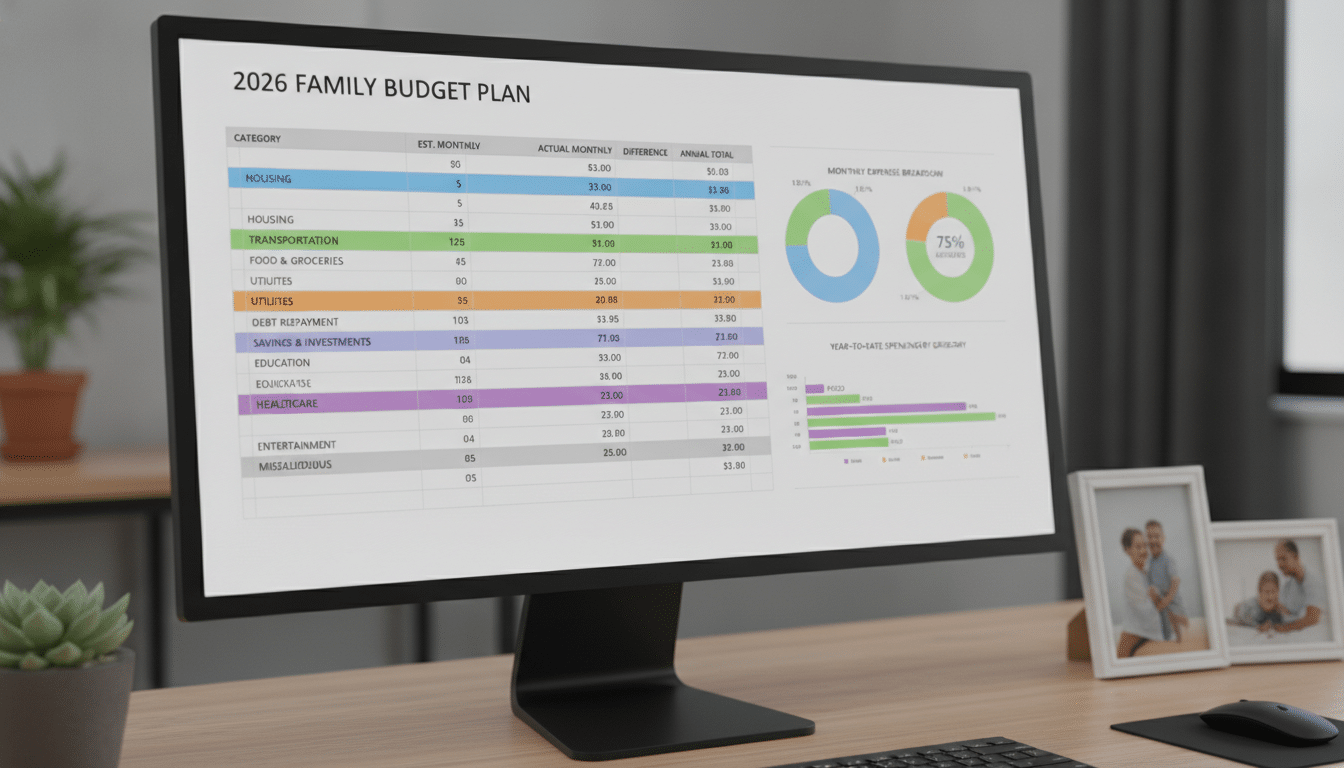
Debt management triage: prioritizing high-interest balances and avoiding new revolving debt
They focus on paying off the credit card with the highest interest first. This way, they avoid interest from adding up too quickly. It makes tracking progress easier.
They also try to avoid taking on new debt during these months. If they do spend more in certain areas, switching to debit or cash can help. This adds a bit of friction and lowers the chance of overspending.
Budgeting tips that reduce financial stress: “fixed costs first,” then flexible spending controls
Practical budgeting starts with paying fixed costs first. This includes rent, utilities, insurance, and minimum debt payments. Then they set limits on flexible spending, such as groceries and entertainment.
Regular weekly checks can prevent surprises at the end of the month. Many use simple grocery plans to cut down on waste and avoid impulse buys, as suggested in Make Delicious Meals on a Budget.
Saving money when prices rise: automating small wins and building a starter emergency buffer
Small automatic transfers after payday can help save money. Even a small emergency fund can help avoid borrowing when unexpected expenses arise.
They also save for predictable costs like insurance and car repairs. In uncertain times, keeping some cash and choosing safer investments can also help avoid new debt, as advised in surviving the stock market crash.
Overcoming debt strategies: refinancing, balance-transfer math, and negotiating bills
Overcoming debt can involve better rates. Refinancing loans or using balance transfers can cut costs. They compare fees to interest saved and plan a payoff timeline before the offer ends.
Negotiating bills can also free up money for debt reduction. Shopping for insurance and asking for better rates can help. Cutting unused subscriptions also frees up budget without cutting essentials.
Timing retirement can also impact cash flow. Taking Social Security at 62 reduces benefits, while delaying to 70 increases them by 8% each year. Working past retirement age can also boost benefits.
Dave Ramsey and some experts suggest collecting Social Security early and investing it. This approach can offer an average annual return of 10%. But it means a smaller monthly check and takes on market risk.
For those facing health issues, Social Security disability benefits can be a lifeline. They can equal a full retirement benefit and then switch to regular Social Security at full retirement age. This helps protect a long-term plan while focusing on stability.
Middle-Class Money Problems: Conclusion
Money problems are now a big deal for U.S. families. They affect daily choices as prices change. Even though headline inflation is near 2%, core inflation is around 3%.
Things like cars and services keep budgets tight. This adds to the financial stress people feel.
The Mountain View housing example shows a bigger point. A big project like Scholars Row offers low rents. But finding the right place can be hard.
This gap between what’s available and what’s accessible is tough. It’s hard for families who earn too much to qualify for aid but can’t afford it.
Inflation also affects when people retire. Full retirement age is between 66 and 67, depending on when you were born. Claiming Social Security at 62 means a permanent cut.
But waiting longer can increase your benefits by about 8% each year. By 70, you can get up to 8% more. The average benefit in January 2026 is $2,071, according to the Social Security Administration.
For families dealing with money issues, simple steps can help. Cutting spending, paying off high-interest debt, and saving a little can ease financial stress. Staying informed about inflation worries helps make better money management choices. This is important as more people will retire by 2027.