New Demands Unacceptable From Iranian Leader to End the Iran War
New unacceptable demands from Iran complicate efforts to resolve the Iran War, raising concerns about military escalation and regional tensions in the Middle East.

From Dubai, the Iran War diplomacy is hitting a snag. Leaders are discussing a ceasefire, but it’s fragile. The conflict is now a major topic in Washington, with fresh attacks and threats escalating the situation.
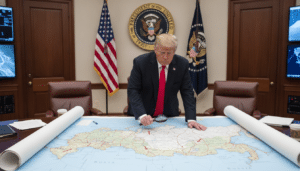
In the Oval Office, President Donald Trump called the ceasefire “unbelievably weak” and on the brink of collapse. He rejected Iran’s latest offer, saying it didn’t meet his standards for a nuclear deal. Trump also labeled the proposal “garbage,” stating he didn’t even bother to finish reading it. This shows that talks are losing steam.
This breakdown is more than just headlines. With diplomacy at a standstill and fighting resuming, the Iran War could escalate into full-scale war. This could also prolong the global energy crisis.
Two key factors are at play: Iran’s control near the Strait of Hormuz and the U.S. blockade of Iranian ports. Each move can impact oil prices, alter shipping routes, and increase geopolitical instability. The conflict is testing the limits of U.S. foreign policy.
Iran has sought to involve the U.S. in mediation through countries such as Qatar and Saudi Arabia, according to ceasefire mediation efforts. But so far, Washington has been cautious. This has left the Iran War stuck between tough demands and a fragile truce.
Key Notes
- The Iran War is back at an impasse, with a ceasefire described as shaky and unstable.
- Trump said the ceasefire is “unbelievably weak” and on “life support.”
- He dismissed Iran’s proposal as “garbage” and said he “didn’t even finish reading it.”
- Stalled diplomacy and renewed fire raise the risk of wider geopolitical instability.
- The Strait of Hormuz and the U.S. blockade of Iranian ports are central pressure points in the Iran conflict.
- Foreign policy choices in Washington are likely to shape whether the Iran War cools or spreads.
Ceasefire on “Life Support” as U.S.-Iran Relations Deteriorate
The ceasefire is facing challenges with fresh strikes and harsh words. Small incidents can quickly spread across the region. Diplomats see the pause as fragile, with tensions involving many beyond Tehran and Washington.
Trump rejects Iran’s latest proposal and calls it “garbage.”
President Donald Trump called the ceasefire “unbelievably weak” and on “life support.” He also called Iran’s proposal “that piece of garbage.” He didn’t even finish reading it.
Trump plans to use diplomacy and threats. He will ask China’s President Xi Jinping to influence Iran. This could affect relations without a direct fight.
For more on the conflict’s impact, see how it’s affecting global energy shipments and the push to keep talks going.
Fighting continues despite ceasefire claims, raising fears of military escalation.
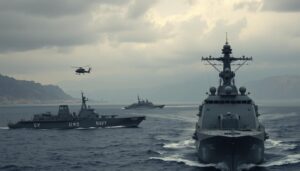
Despite ceasefire claims, both sides have exchanged fire. Each strike makes the next one easier to justify. This raises the risk of military escalation.
Iran’s internal security situation also matters. Iran executed a man accused of spying for the CIA and Israel’s Mossad. His name was Erfan Shakourzadeh, and he handled satellite communications.
Iran’s judiciary chief has said executions will increase to fight enemies. This has led to a harder line in Tehran and Washington.
For more on the situation, see Trump cancels Iran meetings amid Tehran riots. This shows how quickly channels can close.
Middle East tensions widen as ships, Gulf states, and Israel-Hezbollah clashes come under pressure.
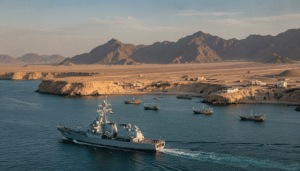
The conflict has spread to shipping lanes and Gulf infrastructure. Ships and Gulf states are now at risk. Disruptions in the Strait of Hormuz have operators considering detours and delays.
Energy supply and insurance costs can rise quickly due to these tensions. The situation is complex, with many risks involved.
Fighting between Israel and Lebanon’s Iran-backed Hezbollah continues. This adds to the already crowded map of risks. One misstep can lead to military escalation.
Regional commanders are watching threats to U.S. forces and bases. For more, see Iran targets U.S. bases. The ceasefire’s survival depends on restraint from both sides.
Iran War Demands Raise Stakes: Strait of Hormuz, Sanctions, and Nuclear Proliferation Risks
Iran’s latest demands are increasing tensions in the region. They involve control over the Strait of Hormuz, financial compensation, and nuclear policies. Even small changes can lead to big instability.
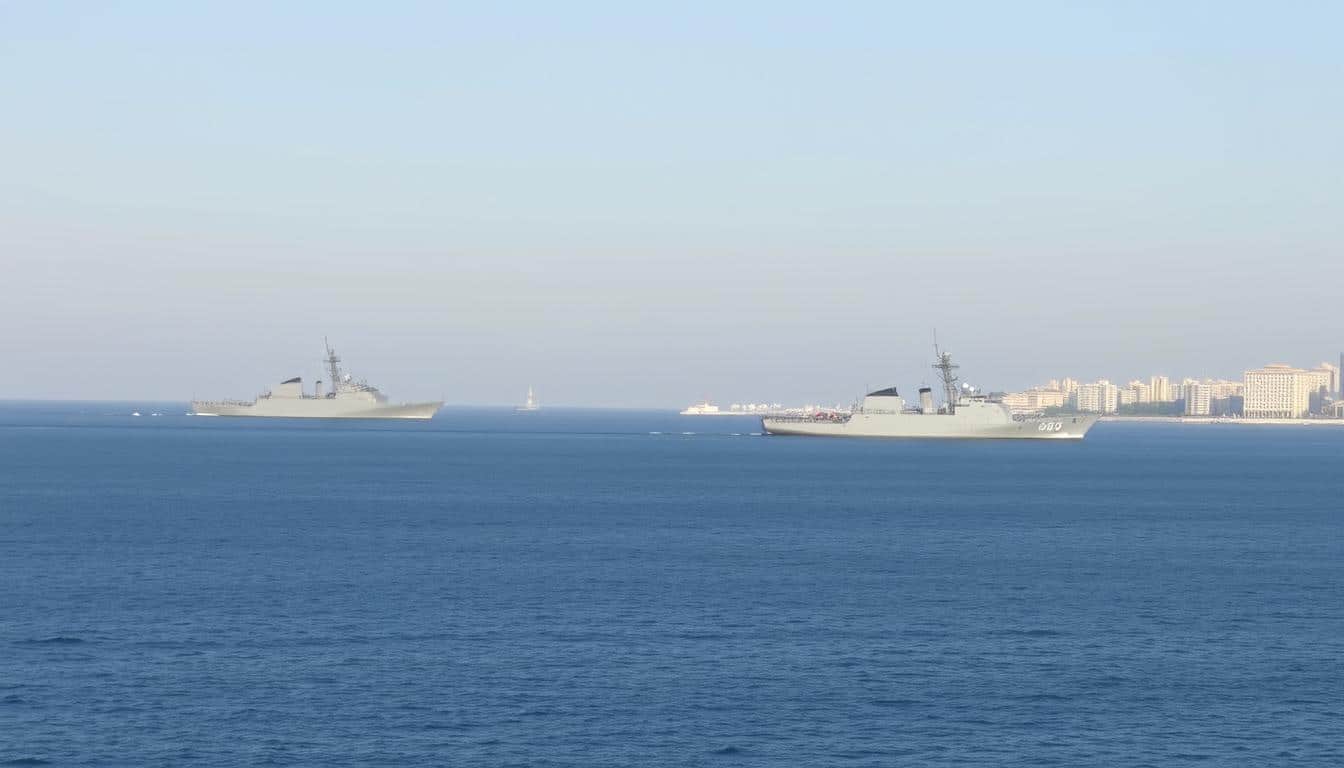
Iran pushes for sovereignty over the Strait of Hormuz, threatening global energy flows.
Tehran wants the U.S. to accept Iranian control over the Strait of Hormuz. This move would give Iran control over a key waterway. The Associated Press reports Iran has blocked the strait, allowing only limited traffic while charging tolls.
This issue is critical because the Strait of Hormuz is a major route for oil and gas. Any disruptions can quickly affect global markets. Analysts say Iran’s control could lead to clashes with international rules, causing more instability in fuel and shipping costs.
For more on how a Hormuz shutdown could affect energy and trade, see global energy market disruption risks.
Tehran seeks war reparations, sanctions relief, and unfreezing of Iranian assets abroad.d
Iran wants war reparations from the U.S., an end to sanctions, and access to frozen assets. These demands extend the conflict beyond the battlefield. They also increase tensions in areas related to banking, shipping, and oil.
Iran’s Foreign Ministry spokesman, Esmail Baghaei, sees this as a matter of rights. He says Iran is not asking for concessions but its rightful place. He also accuses the U.S. of unreasonable demands.
Nuclear concessions fall short as Iran reportedly offers partial dilution and third-country transfer of enriched uranium.
Iran has proposed diluting some of its enriched uranium and transferring the rest to a third country. Russia has offered to take the material. Yet, diplomats say this offer does not address the main concerns about nuclear proliferation.
The core issue is the fear of nuclear proliferation. Uncertainty around this issue can lead to further instability. It affects sanctions, shipping risks, and alliance politics.
Reports on wider escalation scenarios show how quickly fears of nuclear proliferation can escalate tensions. For more on this, see global escalation planning concerns.
U.S. and Israel press for full removal of nuclear material amid fears of nuclear proliferation and geopolitical
President Donald Trump wants a major reduction in Iran’s nuclear activities. He insists on removing all nuclear material. Israeli Prime Minister Benjamin Netanyahu also emphasizes the need to remove nuclear material from Iran.
Netanyahu said if talks fail, Israel and the U.S. might go back to military action. He believes the Iranian government’s days are numbered, but it could take time. The AP reports the initial attacks killed dozens of Iranian officials and damaged the economy.
Two diplomats say Pakistan is trying to broker a peace deal. They aim to reach a memorandum of understanding to end the war and launch broader talks. Despite efforts, a deal has not been reached yet, and tensions and risks of nuclear proliferation continue.
Iran War Demands Conclusion
The Iran War is again on the brink, with Donald Trump saying the ceasefire is barely holding. Washington and Tehran are standoffish, leading to more violence and a higher risk of a big war. In the U.S., there’s growing pressure for a clear plan to stop attacks without starting a full-scale war.
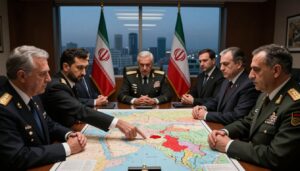
U.S. officials see Iran’s demands as unrealistic. Iran wants recognition of its control over the Strait of Hormuz, reparations, and the lifting of sanctions. They also want their frozen assets back and changes in the region. Iran believes its actions are justified under international law, as the world waits to see what will happen next.
Things are moving fast on the ground. Iran’s attack on Al Udeid Air Base in Qatar and Qatar’s quick response show how quickly things can escalate. This incident, covered in the Qatar base fallout, also highlights the risks to trade and energy supplies.
The U.S. faces real risks from the Iran War. Any disruption to the Strait of Hormuz could quickly raise fuel prices and shipping costs. Diplomacy is ongoing, but it’s delicate. Israel might go back to military action if nuclear material isn’t removed, leaving leaders with a tough choice.