The U.S Engages Iranian Oil Tankers as Peace Talks Fail
The U.S. responds to failed peace talks by engaging Iranian oil tankers, impacting global energy markets and highlighting tensions in the Gulf of Oman oil trade.

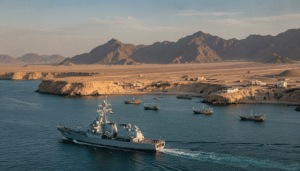
US Central Command said an F/A-18 Super Hornet disabled two Iranian oil Tankers on Friday. It used precision munitions to stop them from moving toward Iran. This action came as U.S.-Iran talks hit a roadblock, making the region more tense.
The US is pushing to enforce a port blockade tied to Iran’s access points. This affects the Iranian oil tanker fleet and nearby shipping lanes. For those moving through the Strait of Hormuz, the timing was bad. It followed an overnight exchange of fire that raised doubts about the current Gulf ceasefire.
Washington says diplomacy is not dead, waiting for Tehran’s response to a proposed deal. But with the Gulf of Oman oil trade and other key routes uncertain, investors face a tough choice. They must balance coverage of conflict with the need to keep cargo moving.
Marketscreener reported more details on the stalled negotiations and market reaction. This shows how quickly the outlook can change for Iranian oil tankers and any vessel near Iran.
Key Takeaways
- US Central Command said an F/A-18 Super Hornet disabled two Iranian oil Tankers on Friday.
- The incident was linked to enforcing a port blockade aimed at restricting movement toward Iran.
- The action came after overnight gunfire raised concerns that the Gulf ceasefire could weaken.
- US officials said they were waiting for Tehran’s response to a proposed deal.
- Any disruption around the Strait of Hormuz can ripple into US gas prices and broader energy markets.
- The Iranian oil tanker fleet and the Gulf of Oman oil trade remain central to global shipping risk right now.
What Happened in the Strait of Hormuz as Diplomacy Stalled
Pressure kept building as ships in the Strait of Hormuz waited, turned back, or moved in tight corridors under watch. With talks stalled, the waterway tested the nerves of crews and commanders. The risks also affected the Middle East shipping routes, which usually carry steady commerce and aid.
US Central Command says an F/A-18 Super Hornet disabled two tankers enforcing a port blockade.
US Central Command said an F/A-18 Super Hornet used precision munitions to turn off two Iranian tankers. The aim was to stop the ships from continuing toward Iran and limit disruption to crude transport. Even a “disabled” ship can pose a hazard and quickly change traffic patterns.
Iranian media reports “sporadic clashes” with US vessels amid flare-ups in the Strait of Hormuz.
Iranian media reported sporadic clashes with US vessels during flare-ups in the strait. This made the MiddlStrait shipping routes uncertain. Ships must plan around sudden warnings, delays, and shifting exclusion zones.
Some coverage pointed to the wider conflict context described in reporting on the Hormuz standoff.
Overnight exchange of fire raises fears of a ceasefire breakdown in key Middle East shipping routes.
The Friday incidents followed an overnight exchange of fire. This raised fears that the ceasefire could fray in a key chokepoint. Fuel, food inputs, and medicine are at risk.
When Strait of Hormuz vessels have to idle for clearance, costs rise by the hour. Schedules slip across ports. Analysts watched how crude transport could be rerouted, even though alternatives are limited.
- More radio warnings and longer identification checks
- Higher insurance rates and tighter convoy planning
- Greater risk of navigation mistakes in crowded lanes
Marco Rubio in Rome awaits Tehran’s response to the proposed deal to extend the truce
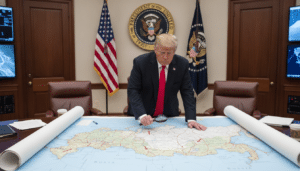
In Rome, U.S. Secretary of State Marco Rubio told reporters that Washington hoped to receive Tehran’s answer on Friday. Rubio said Iran must not control the Strait of Hormuz. He urged a serious reply as crews tracked developments in real time.
Related background on how the conflict could evolve has circulated in the analysis of a possible U.S.-Iran war.
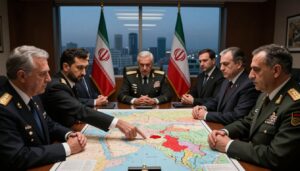
Iran’s Foreign Minister spokesman Esmaeil Baqaei said the proposal was “under review.” A final decision would be announced, according to ISNA. Diplomats weighed timing, planners watched regional posture and force protection.
Questions were raised in the discussion of possible retaliation against the US. The uncertainty left the Middle East shipping routes and crude transport operating under a cloud.
Iranian Oil Tankers, Blockades, and Pressure on Energy Transportation
The standoff at sea has put daily shipping routines under a harsh spotlight. With the Strait of Hormuz squeezed by new rules and risk, the Iranian maritime industry is facing longer waits, tighter inspections, and rising insurance costs.
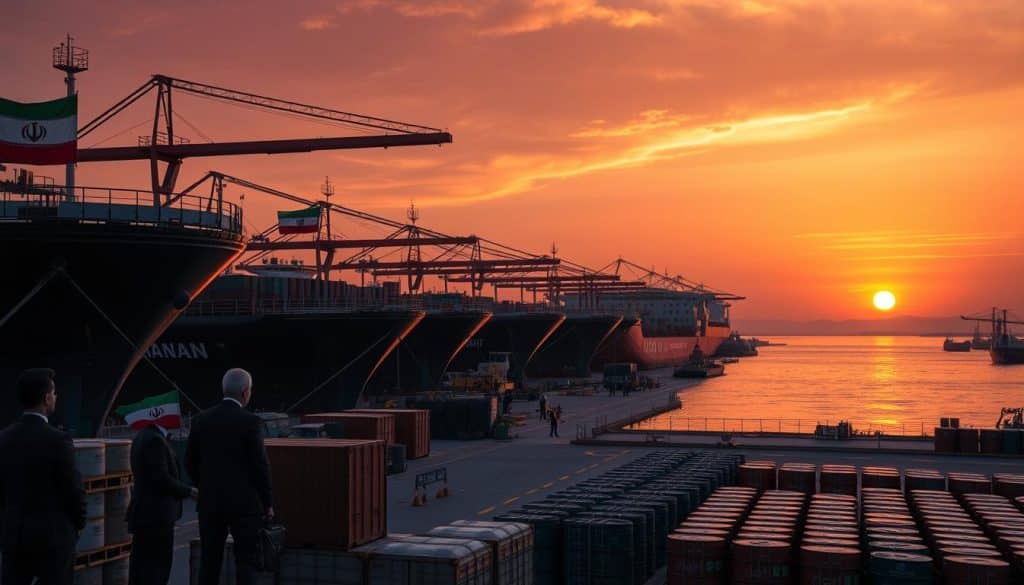
Inside the Gulf, the Iranian energy transportation sector has become a key pressure point. Security alerts, rerouted convoys, and sudden port closures now shape shipping lanes that once moved on schedules.
How the US blockade targets Iranian oil tankers and restricts Iranian oil exports
After the conflict began on February 28, Iran largely closed the strait, and the US responded with a blockade around Iranian ports. US Central Command said its forces were stopping about 70 tankers from entering or leaving, a move that tightens the flow of Iranian oil exports.
This drag affects contracts, storage limits, and refinery planning. These are core components of Iran’s energy transition sector.
Claims and counterclaims: US reports attacks on warships; Iran says a tanker was targeted first
Overnight, the two sides offered sharply different accounts. CENTCOM said Iran used missiles, drones, and small boats against three US warships transiting Hormuz, and that US forces destroyed incoming threats and struck land sites in Iran.
Iran’s Khatam al-AnbiyaIran’snd said the clash began when US vessels targeted an Iranian tanker heading toward the strait. Iranian officials also accused StraitS of striking civilian areas, language that adds strain to already tense maritime communications.
Reported retaliatory strikes and allegations of hits near Bandar Khamir, Sirik, and Qeshm island
Iran named Bandar Khamir, Sirik, and Qeshm islands as locations tied to the exchange, and alleged outside cooperation from “some regional countries.” Those place names matter to the Iranian maritime industry because they sit near routes used for pilotage, bunkering, and coastal traffic.
The United Arab Emirates said it intercepted Iranian drones and missiles and reported three moderate injuries. The UN’s International Maritime Organization also flagged congestion, with about 1,500 ships and 20,000 international crew stuck in the region, adding more friction to Iranian oil exports.
Tehran also set up an authority to approve transit and collect tolls, according to Lloyd’s List. That sort of Lloyd’sping reshapes how the Iranian energy transportation sector schedules voyages and manages compliance.
Saudi sources say Riyadh denied airspace/bases for an operation tied to reopening the strait.
Two Saudi sources told AFP that Riyadh denied US access to Saudi airspace or bases for an operation aimed at reopening commercial passage. The reported refusal highlights how regional partners are weighing the risks of escalation while shipping operators track every signal that could affect Iranian oil exports.
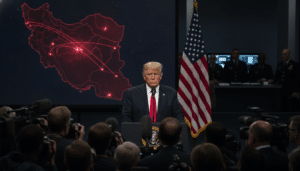
In Washington, President Donald Trump was asked if the ceasefire was holding after the clash, and he said, “Yeah, it is. They trifled with us today. We blew them away.” Markets and shipowners treated the comment as part of a broader pattern in which military pressure and talks keep pulling the Iranian maritime industry in different directions.
Iranian Oil Tankers: Conclusion
The US has taken a stronger military stance by turning off two Iranian oil tankers. This move comes as talks between the two sides are stalled. Tehran is considering a proposal from Pakistani mediators, but the gap between pressure and compromise is growing.
The incident has also put more strain on the Iranian oil tanker fleet. They are trying to keep cargo moving despite these challenges.
Reports of “sporadic clashes” and an overnight exchange of “ire have raised fears. The ceasefire in the Strait of Hormuz might be at risk. This narrow passage is key for global crude shipments and the Gulf of Oman oil trade.
Even small skirmishes can increase insurance costs and delay schedules. This can also affect fuel prices in the United States.
Marco Rubio from Rome is waiting for Iran’s response. He emphasizes Iran should not control the Strait. The situation could lead to a longerStrait with stricter rules or a full-scale maritime conflict.
For more on the diplomatic stakes, readers can check out the overview of the Trump-Iran deal. It explains how it shapes expectations.
About 70 tankers are blocked from Iranian ports. This has left around 1,500 ships and 20,000 crew members stuck. Saudi Arabia has refused to help reopen the ports.
As pressure on Iranian oil tankers grows, the Gulf of Oman oil trade remains volatile. Shipping security and energy markets are on high alert.