Best Emergency Preparedness Supplies for Power Outages and Natural Disasters
Discover essential supplies for Emergency Preparedness, ensuring you are ready for power outages and natural disasters with confidence and peace of mind.
We may earn a commission when you purchase through links on this page, at no additional cost to you.
Emergency Preparedness: Millions of Americans face power loss each year due to storms and other disasters. Outages now last for days, not just hours. This means homes need more to stay safe and steady.
Experts say many homes lack basic amenities such as reliable lighting and clean water. When power and internet go out, planning is key, not panic. Red Cross Disaster Checklist: Be Prepared for Emergencies.
This guide makes Emergency Preparedness a practical skill, not just for experts. It helps families create a kit they can use quickly and easily. This kit should be easy to maintain without stress.
Next, we’ll cover portable power, radios, water, food, first aid, tools, and safety gear. We’ll also talk about utility shutoffs, fuel storage, navigation, and signaling. For winter, we’ll discuss how to seal drafts and protect pipes, like in this guide.
The right kit depends on your household size and how long you might need it. A kit for one person is different from one for a family. Larger households need more supplies and clear roles.
How long you need the kit matters too. Many start with a 72-hour kit and then add more for longer outages. Make sure your kit is easy to carry in real emergencies.
Keep your supplies in good shape. Many items last 5–10 years, but batteries and water need regular checks. Review your kit every six months to stay ready.
Key Takeaways
- Emergency Preparedness works best as a simple home plan that covers power, water, food, and health needs.
- Disaster readiness should assume outages can last days and may also disrupt internet and cell service.
- Choose a kit based on household size, daily medical needs, and local risks such as storms or wildfires.
- Build for both 72-hour coverage and a longer backup option when roads or services stay closed.
- Make portability part of the plan with bags or cases that are easy to grab during evacuation.
- Support emergency preparedness training at home by reviewing supplies and expiration dates every six months.
Why power outages and natural disasters demand a modern home kit in 2026
In 2026, a home kit will be ready for everyday, not just emergencies. When the power goes out or roads are closed, time is critical. A good emergency kit helps families stay calm and avoid last-minute shopping.
For many, the goal is to keep the essentials working until the worst passes. A kit that helps manage crises also eases stress for seniors, caregivers, and those with temperature-sensitive meds. Best Portable Power Stations for Home Backup (2026 Guide)
What’s changed across the United States
Storms are stronger, wildfire smoke spreads further, and outages last longer in the U.S. Hurricanes, floods, earthquakes, and fires can damage homes and disrupt services. Disaster recovery often begins at home, before services return.
Common disruptions people feel first.
- Electricity loss that knocks out heating, cooling, lights, and garage doors
- Internet and cellular gaps that make online maps and check-ins unreliable
- Clean water issues after a boil notice, a broken main, or a well pump failure
- Refrigeration failure can spoil food and temperature-sensitive medicine
- Basic supply shortages, from batteries to diapers, occur when trucks cannot restock
These disruptions add up. Without communication, confirming warnings and finding open routes becomes harder. Emergency preparedness is best when households plan for redundancy, not luck.
Who benefits most from a modern kit? Power Outages Are Rising in the U.S. – Here’s How to Prepare.
Renters, homeowners, and multi-generational families all benefit from simple backup plans. They don’t need “survival” gear; just enough for everyone in the home, including pets. Practical crisis management means keeping the kit accessible, not hidden.
Many keep the main kit near their shelter, like a basement or closet. They also have a smaller bag near an exit. This setup helps during evacuations and when returning home with limited power and services.
Emergency Preparedness fundamentals: the core goals of every household plan
When the lights go out or a storm hits, a home plan helps. It sets clear goals: information, basic needs, medical readiness, safety tools, and mobility. This makes emergency planning feel like a routine, not guesswork.
Stay informed when networks fail: backup communication and weather updates
Cell service and internet can fail together. A battery-powered radio and a NOAA Weather Radio are key. They help track warnings and local instructions when apps fail.
It’s smart to pick one main way to check in, like text messages. Keep important numbers written on paper. For a checklist that works, check preparedness basics and customize it for your area. This helps with evacuation by alerting people early.
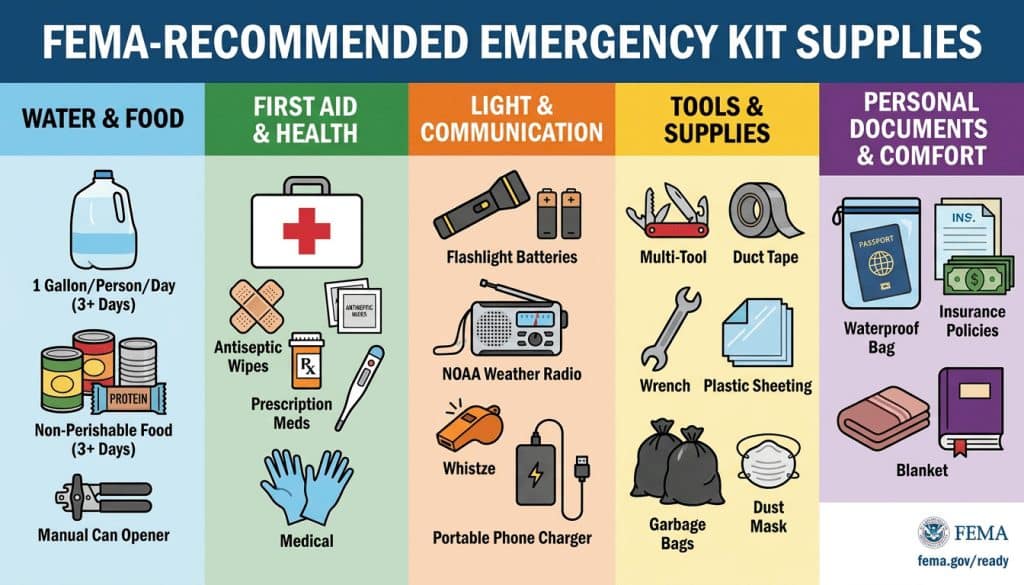
Cover basic needs: water, food, warmth, lighting, sanitation, and first aid.
A good kit starts with bottled water and non-perishable food. Don’t forget a manual can opener for canned food. Aim for one sleeping bag or warm blanket per person for warmth.
Lighting is key. A reliable flashlight with extra batteries helps avoid falls. It also makes it easier to find supplies. A basic fire extinguisher adds protection against fires.
Medical and hygiene supplies are vital. Include bandages, ointment, disinfectant wipes, tissues, toilet paper, and bags for sanitation. These items help keep people healthy while help is on the way.
Design for both sheltering in place and fast evacuation
Many families plan to stay put, but others plan to leave quickly. Portable items and comfortable straps are key. Having kits for home, work, and car helps in any situation.
Emergency response planning works best with easy-to-use gear. Check expiration dates every six months. Basic first-aid classes help people stay calm and act quickly during evacuations.
Portable power and lighting supplies for blackouts
When the lights go out, a home kit’s main job is to keep people safe and calm. It should include phones for updates, medical devices, and small essentials like fans or night lights. The gear should also be easy to move from a closet to a car. See the top-rated emergency lighting on Amazon.
Choosing the right gear for local risks, like hurricanes or wildfires, is key. Keep small, lightweight items near exits or in a glove box. This makes them useful during quick evacuations.
Portable power stations and power banks for phones, medical devices, and small appliances
A high-capacity power bank is essential for charging phones and small devices. A portable power station is better for longer outages, like running a CPAP charger. Look for labels that show watt-hours, output ports, and whether it can charge while in use.
For disaster readiness, choose portable over bulky. A light unit is more likely to be used. Keep a quick-charging routine to avoid running out of power during storms.
Rechargeable lanterns, flashlights, and extra batteries for reliable lighting
Lighting is a key comfort and safety item. Rechargeable lanterns can light a room, while flashlights are great for stairs and quick checks. Many keep flashlights and extra batteries ready because they work without outlets.
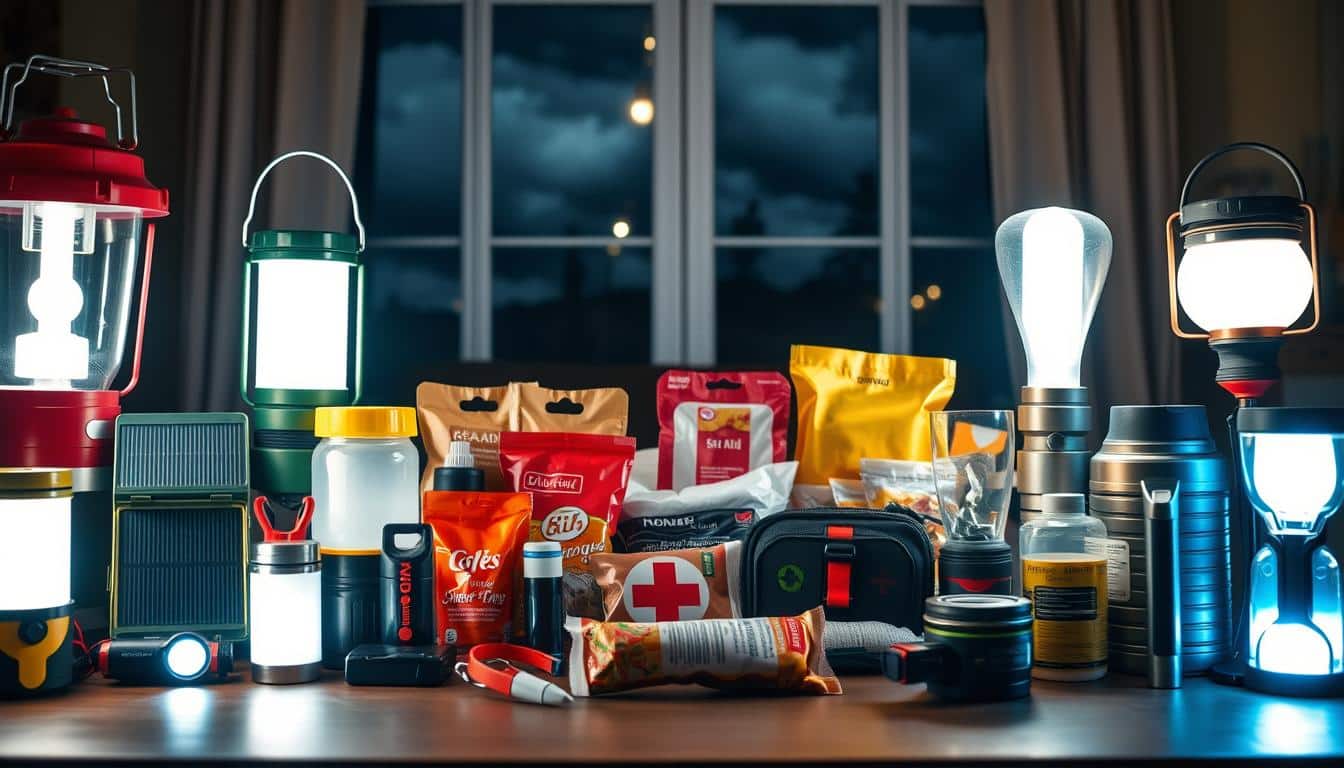
For emergency preparedness, place lights by beds and near exits. Mix rechargeable lights with standard batteries for when charging is limited. This supports crisis management. More Emergency lighting options.
“Put light where people move first: the hallway, the bathroom, and the door.”
Solar chargers are a long-duration backup when outlets are unusable
Solar chargers are great for long-term backup when the grid is down. They’re best for slow charging of phones and small power banks. For disaster readiness, use a layered approach: wall charging first, then solar.
For crisis management, regular checkups are key. Test cables, top off batteries, and check light charges monthly. This keeps your kit ready, rather than just hoping.
- Plan around likely local outages and the devices they truly need.
- Prioritize compact gear that fits a backpack or car bin.
- Rotate charging and replace worn batteries before they fail.
Emergency radios, NOAA weather alerts, and emergency notification systems
When power goes out and cell towers fail, we need more than our phones. A small radio, clear alerts, and a simple note system help us stay calm and act fast. This also supports emergency response planning, as everyone can follow the same updates.
Battery-powered radio and NOAA Weather Radio to stay informed during severe storms
Radios are important because they work when the internet and texting don’t. A NOAA Weather Radio can send watches and warnings directly to you, even at night. Many families keep a weather radio in their main kit for easy access.
Options like Midland’s WR120 NOAA Weather and Emergency Alert Radio or ER310 crank radio are great for home use. They’re easy to check during emergency preparedness training. You can find and compare models, along with accessories, at Midland emergency radios and bundles.
Neighborhood-ready alerting: keeping devices charged and notifications enabled
Strong emergency notification systems rely on habits, not luck. People can keep Wireless Emergency Alerts on, allow critical notifications, and set the tone to loud. They can also keep a charged power bank beside the radio to keep alerts going during long outages.
For emergency response planning, neighbors often agree on a backup channel, such as FRS walkie-talkies, when calls won’t go through. A simple rule helps: charge first, confirm alerts, then check on others. This routine becomes easier with practice during emergency preparedness training.
Low-tech backups: paper and pen for messages, check-ins, and situational notes
Paper tools are essential when screens fail. A notepad and pen can track who checked in, record an address, list meds, or note down a gas shutoff step. They also help leave a clear message on a door if someone evacuates.
- Store the radio, spare batteries, power cord, notepad, and pen in one backpack or storage tub.
- Do a twice-yearly kit check: test reception, replace weak batteries, and confirm paper stays dry and readable.
- Write key numbers and local meeting spots on paper in case contacts aren’t available.
These small steps make emergency notification systems more reliable in real life. They keep emergency response planning practical for families. With steady emergency preparedness training at home, the tools feel familiar when the weather turns.
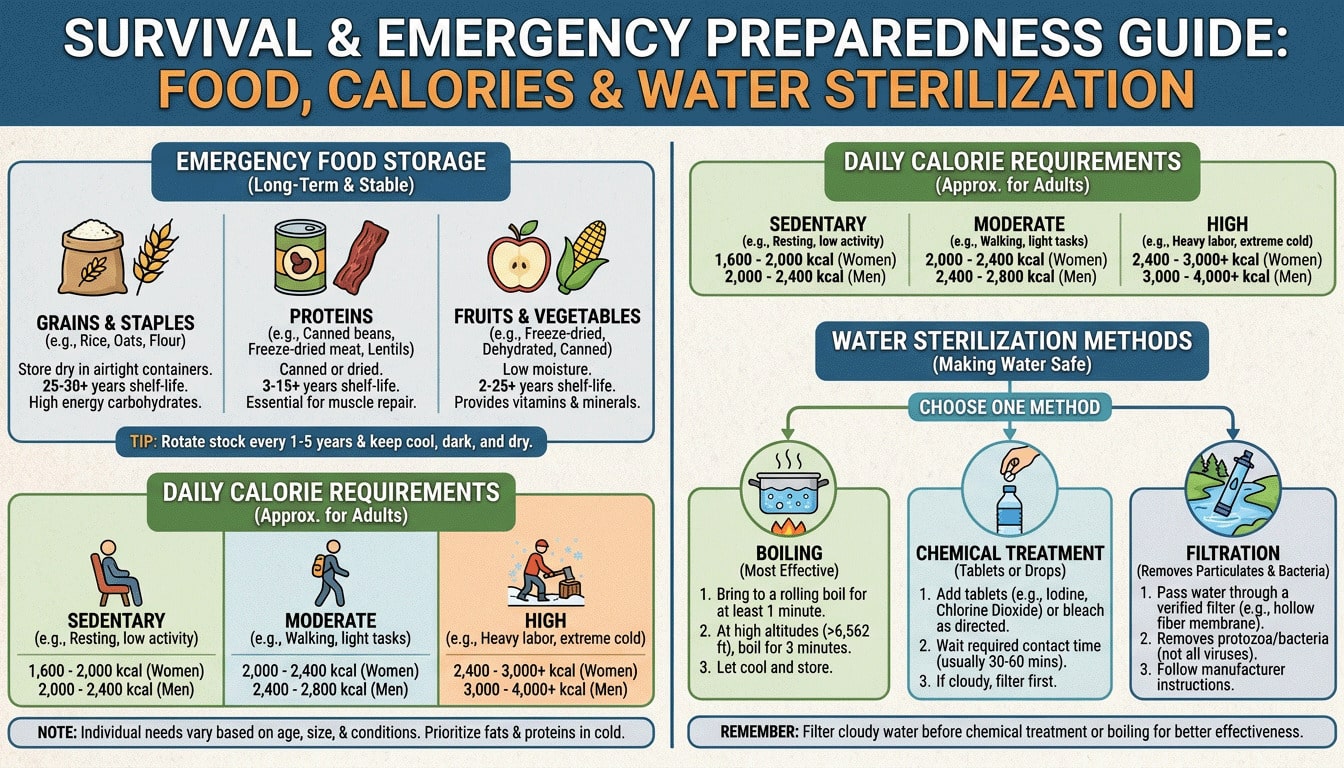
Water storage, purification, and safe food basics during disaster readiness
When the power goes out, the first stress point is often the sink and the fridge. For disaster readiness, a simple plan for safe water and easy meals helps households stay calm and steady. It also supports emergency management, because the basics are already handled before wider choices need to be made.
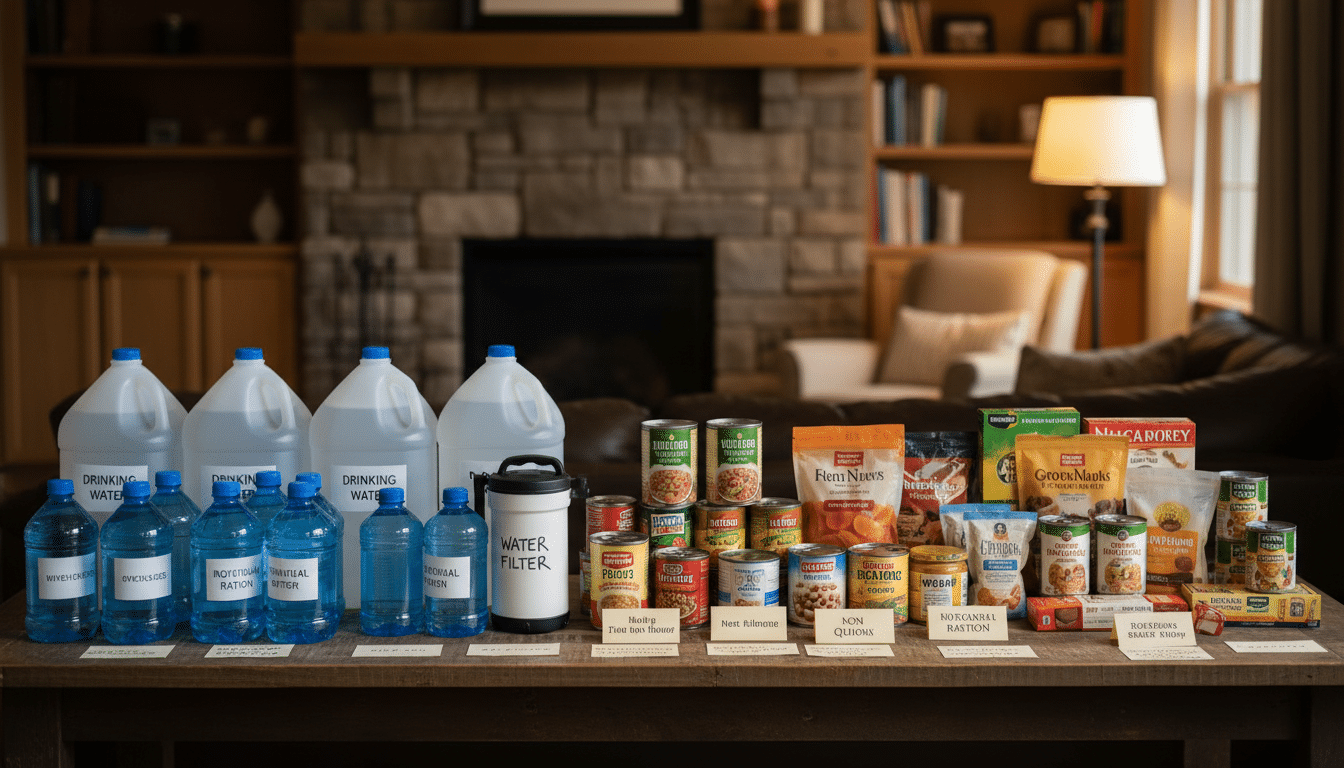
Water planning: bottled water and the “1 gallon per person” guideline
A common home standard is 1 gallon of water per person per day for drinking and basic hygiene. For a minimum of 3 days, that equals 3 gallons per person; more for longer outages. In warm states or during summer heat, families often need extra, and children or nursing mothers may need more, too.
For disaster recovery after extended outages, stored water should stay clean and fresh. A practical habit is to replace it every six months during a home review. If a blackout is expected, they can also fill a bathtub and even a washing machine to boost short-term supply, as noted in emergency preparedness tips.
Non-perishable food + manual can opener for canned foods
Food planning works best when it assumes the refrigerator may be unusable. Non-perishable meals that do not need cooking or chilling reduce risk and waste, which helps both emergency management and day-to-day budgeting. If they stock canned goods, a manual can opener should sit in the same bin, not in a kitchen drawer that may be hard to reach in the dark.
- Ready-to-eat canned proteins and vegetables
- Nut butters, shelf-stable crackers, and dried fruit
- Low-salt options when possible, as water may be limited
Cups, utensils, and rotation habits for disaster recovery after extended outages
Even good food is harder to use without the small items. Cups, basic utensils, and a small cutting tool make shelf-stable meals workable without powered appliances. For larger households (5+), it also reduces dishwashing demand when water is tight.
They can scale supplies by headcount: one person may cover three days with a compact tote, while a family of four may need a dedicated shelf. For disaster readiness beyond 72 hours, an extended kit with extra water, more no-cook calories, and pet food or medications is a safer bet. Rotation is the simple win: when they check the water every 6 months, they can also swap out dated food, then restock, so disaster recovery starts with supplies they already trust.
First aid and hygiene supplies for emergency management at home and on the road
Small cuts and hygiene issues can quickly become big problems in a long outage. Keeping supplies in two places helps: a home kit and a car kit. This plan is key when you’re stuck or when help is far away.
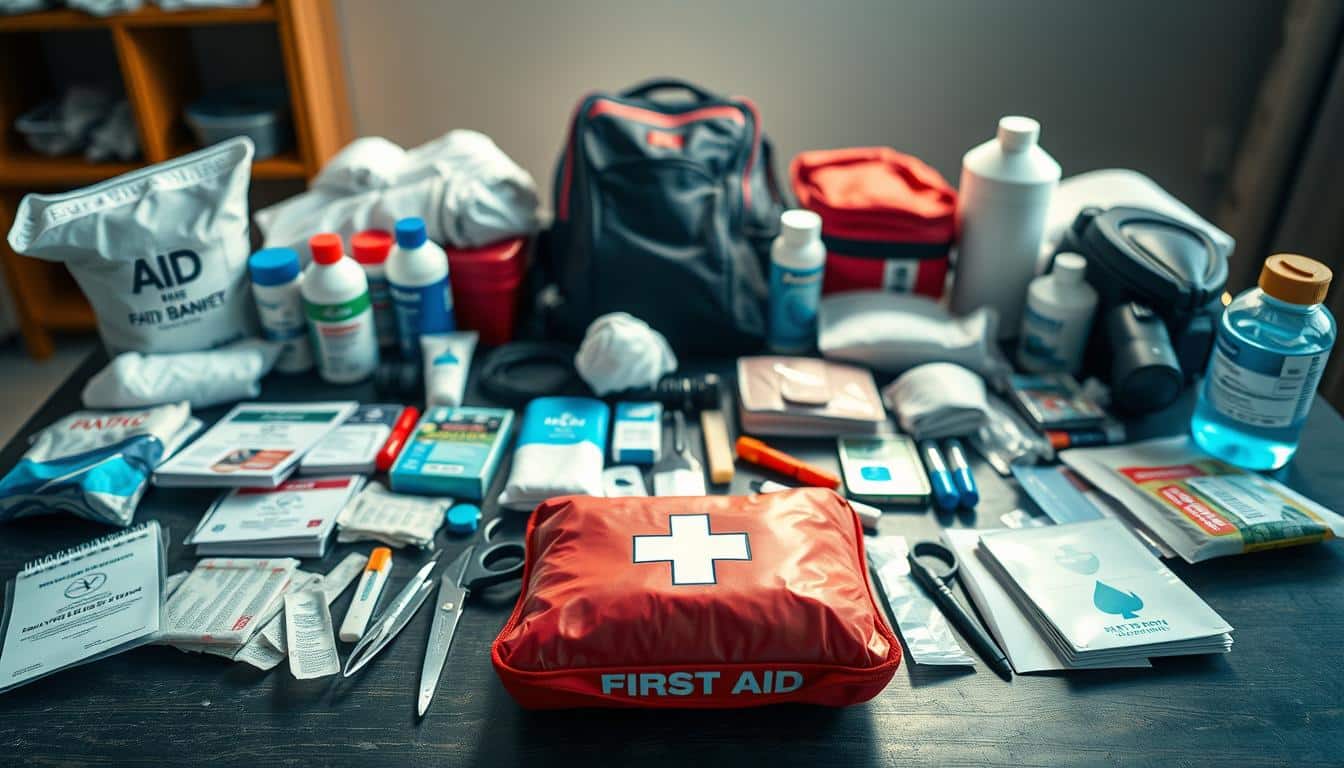
First aid essentials: bandages, ointment, disinfectant wipes, and an emergency reference book
Lists often start with a first aid kit and some basics. You’ll need bandages, antibiotic ointment, and disinfectant wipes. A simple first aid book is also helpful for staying calm and following the steps.
Adding items like antiseptics, pain relievers, and burn cream helps with injuries. Don’t forget medical tape and tweezers for splinters and debris. These are common after storms.
For free, printable resources, check out emergency preparedness resources from FEMA, the CDC, and the American Red Cross. A printed copy is useful when batteries run out.
Personal sanitation: toilet paper, tissues, trash bags with ties, and hand-cleaning basics
Clean hands and basic sanitation are key when water is scarce. Keep toilet paper, tissues, and trash bags handy. Hand sanitizer and disinfecting wipes help until normal cleaning returns.
Don’t forget travel-size deodorant, cotton swabs, and feminine items. These small supplies are important for evacuations, shelter stays, and long lines. They help keep infections down and routines steady.
Special considerations: prescriptions, infant formula/diapers, and extra pet food
Plan around real needs, not just a checklist. Store prescriptions and personal medications in an easy-to-grab pouch. This prevents medical emergencies.
For families with babies, include infant formula, diapers, and wipes, plus extra. Pet owners should also prepare with extra food, a leash, and waste bags. Having these items in both home and car kits is practical for any situation.
Tools and safety gear that hold up in crisis management
In a long outage, small gear choices can shape how calm a home feels. For crisis management, a few tough, simple tools can save time when hands are cold and attention is split. It’s important to pick items that work the first time and keep working years later.
Cheap knockoffs often fail at the worst moment. A loose hinge, weak adhesive, or cracked valve can waste money and minutes. A well-made tool can stay in a bin, car, or go-bag and be ready when it matters.
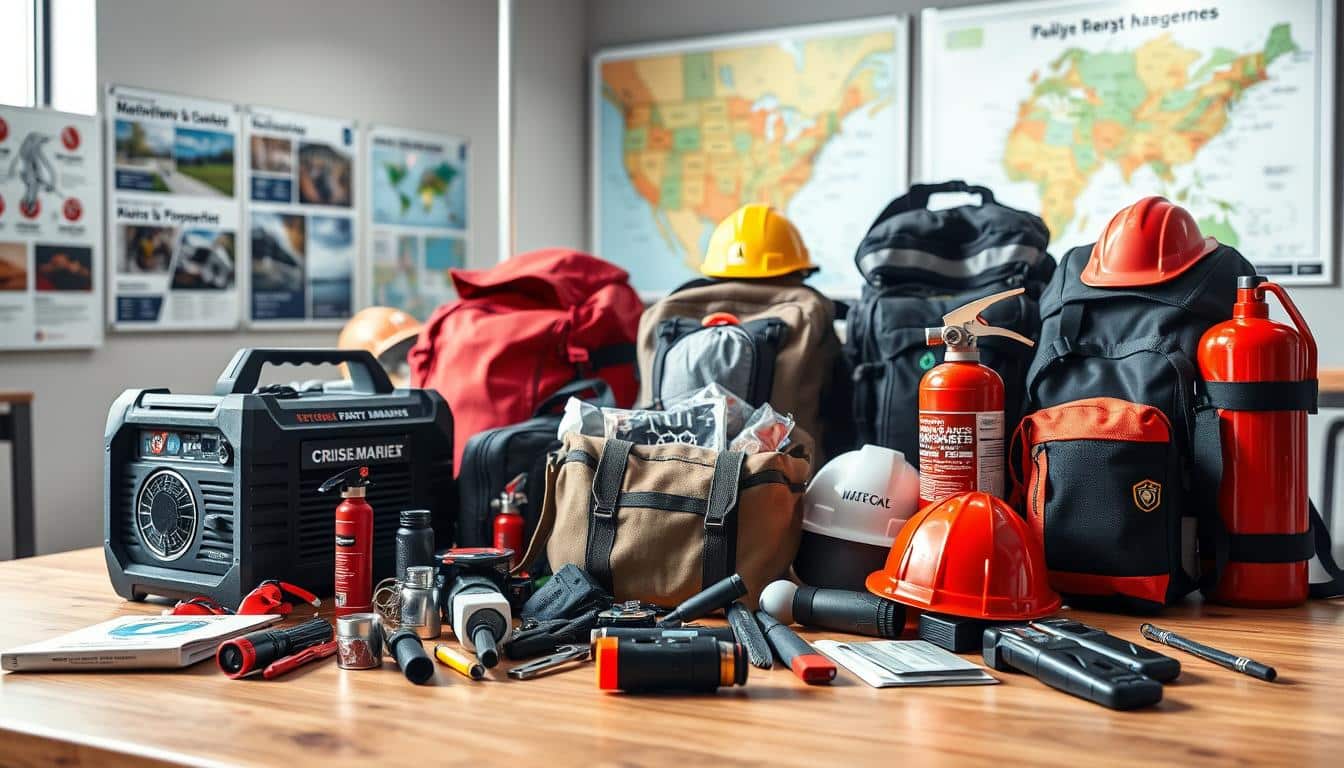
Multi-tool reliability: why quality matters
The Leatherman Skeletool CX focuses on essentials without extra bulk. It has pliers, a bit driver, a pocket clip, and a carabiner/bottle opener for quick carry.
Its 2.6-inch 154CM carbon-fiber stainless steel blade opens with one hand, which is helpful when the other hand is holding something else. The carabiner lets it clip to a backpack strap or belt loop, so it doesn’t get lost in a kit.
Duct tape for repairs and shelter-in-place sealing
Duck Brand MAX Strength Duct Tape sticks well while staying flexible. It works on many surfaces, including wood, glass, plastic, and concrete.
In emergency preparedness, it can bind a cracked bin, mend a torn rain jacket, secure a loose cable, or hold gauze when medical tape runs short. Paired with plastic sheeting, it also supports shelter-in-place sealing during smoke or storm cleanup.
Cleanup gloves for debris and broken glass handling
Custom Leathercraft 124L Flex Grip WorkRight Gloves are light, low-cost, and easy to stash. They offer better dexterity than floppy leather gloves, so hands can tie shoes, reach into a pocket, or start a car without having to pull the gloves off.
They are not built for daily job-site wear, yet they fit well in disaster readiness kits. They are sold in medium, large, and extra-large sizes, and buyer notes often mention that the medium can work for smaller hands.
Fire safety: a refillable, widely available fire extinguisher
The First Alert PRO5 covers common home fires: wood and paper, burning liquids, and electrical fires. It exceeds NFPA minimum size guidelines while staying a manageable 5 pounds so that most adults can lift and aim it quickly.
It uses a durable metal valve and is refillable at about half the cost of replacement. For crisis management and emergency preparedness, it should be kept in an easy-to-reach place, like the kitchen, not buried under other supplies.
Utility control, fuel storage, and evacuation navigation for emergency response planning
Small steps can prevent big problems in an outage or storm. This part of emergency planning helps families stay calm when lights and phones go out. It also helps reduce damage before it gets worse.
Gas shutoff readiness
If you smell gas, hear hissing, or see a broken line, turn off the supply. On many meters, a quarter-turn stops the flow.
A 12-inch or larger adjustable wrench fits well. Many people keep a wrench near the meter, ready to use in seconds.
The On-Duty Emergency Gas and Water Tool is a handy 4-in-1 tool. Firefighters made it after the 1989 Loma Prieta earthquake. It’s sturdy, rustproof, and reduces the risk of spTool.
This tool can also shut off water, pry, and dig through debris. But, don’t turn off the gas “just in case.” The utility may need to restore service, which can take days or weeks.
Fuel planning with generators
Generator fuel needs careful handling. Store only a couple of gallons in a safe place, not in a car. Keep it away from electrical gear or flames.
Gasoline gets stale over time. Add a fuel preservative and rotate fuel at least once a year. This keeps it ready for disaster recovery.
- No-Spill 2½-gallon cans use a patented nozzle: push a button and pour, with a fuel-level window to check supply.
- When full, it weighs close to 17 pounds; the 1¼-gallon size can be easier to carry during emergency evacuation procedures.
- A 5-gallon version is available with the same nozzle style, but it is heavier and harder to move fast.
- Even empty cans matter; during Hurricane Sandy, gas cans were in high demand for getting and transferring fuel.
Navigation when cellular coverage is down
When cell service drops, paper maps work. Keep physical maps for home, work, and common destinations. Store them where you can grab them on the way out.
Rand McNally EasyFinder maps are around $10. They show streets, rural roads, interstates, and key locations such as hospitals and police stations. Many versions are laminated and can be used for disaster recovery tasks.
For smaller towns, print OpenStreetMap views with the humanitarian layer. This shows emergency buildings and evacuation routes. For wilderness travel, MyTopo custom topographic maps can be printed and laminated, then packed with the go-bag for emergency evacuation procedures.
A simple compass backs up every map. The Suunto A-10 baseplate compass is affordable for beginners. It has a scratch-resistant acrylic base, fixed declination correction scale, a jewel bearing, and dual centimeter/inch scales to match map units.
Signaling for rescue
When visibility is poor, sound can travel farther than a shout. A bright, simple whistle supports emergency evacuation procedures when a group gets separated or needs help without draining a phone battery.
The Shoreline Marine Emergency Survival Whistle tested as a loud and low-cost pick. It measured 101.1 decibels with the NoiSee app. The Acme Thunderer hit 101.2 decibels, but it was less audible at longer distances.
- 1 blast (three seconds): “Where are you?”
- 2 blasts (three seconds each): “Come to me.”
- 3 blasts (three seconds each): “I need help.”
Keep a whistle with keys, maps, and a flashlight. It becomes a small but steady tool for emergency response planning and smoother disaster recovery when normal communication breaks down.
Emergency Preparedness Conclusion
In 2026, emergency preparedness is about being steady, not extreme. When disasters strike, a good plan helps you stay informed and healthy. It’s about making calm choices, even without the internet.
Dependable emergency notification systems and a battery radio are key. They provide local updates and alerts. This is the foundation of a solid plan.
The first 72 hours are critical. You should pack a Go-Kit for quick escapes and a Stay-at-Home Kit for longer stays. Include water, food, and a first aid kit for everyone, including pets.
Emergency preparedness training is just as important as the gear. Learn basic first aid and CPR. Practice escaping rooms and choosing meeting spots.
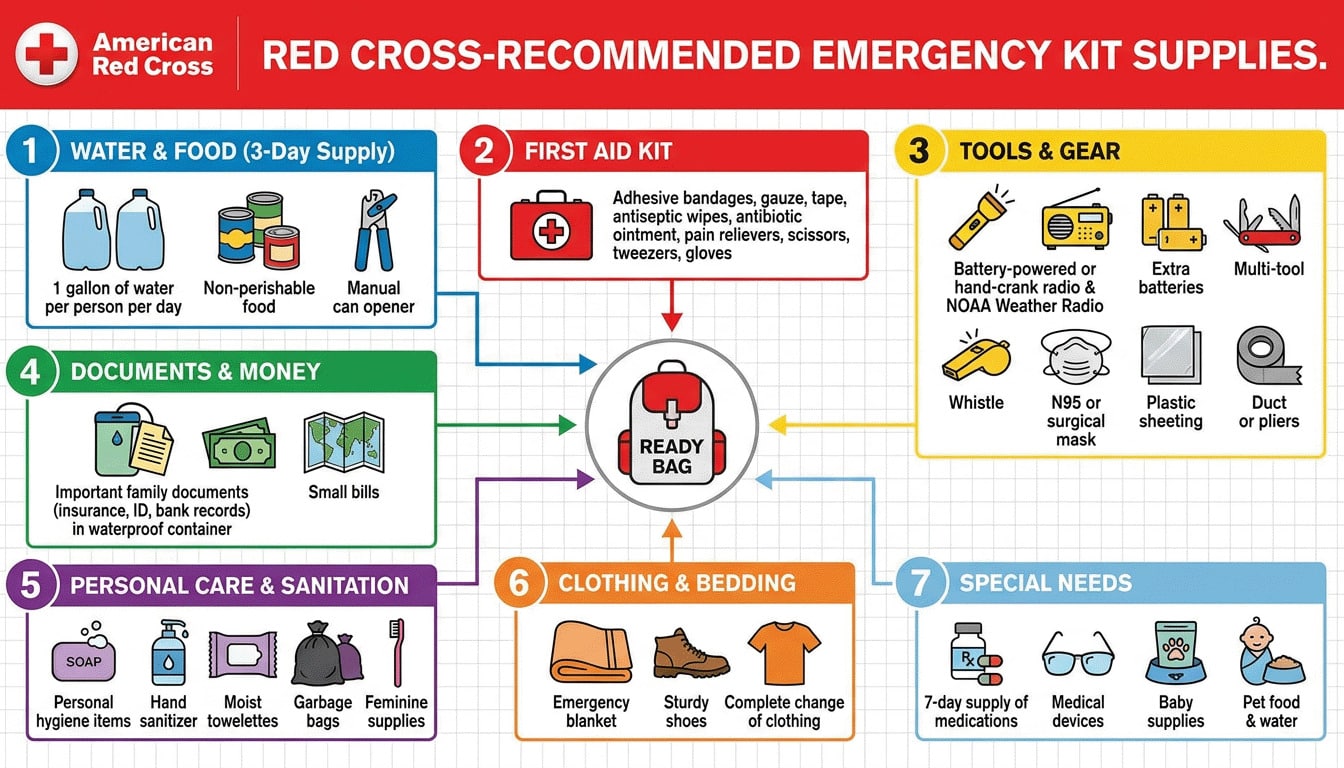
For a detailed checklist, see the Red Cross’s disaster supplies kit structure. Adapt it to your area and season.
Next, take stock of what you have and upgrade as needed. Check expiration dates and keep a replacement list. Review your kit every six months.
Strong emergency notification systems and reliable backup power are essential. Also, have safe fuel storage, paper maps, and a loud whistle. These elements make your emergency plan strong.