ICE Temporarily Halts All Vehicle Stops Due to Officer Safety
ICE temporarily halts all vehicles to ensure officer safety, impacting operations and public access, while maintaining security and service standards.

ICE: The U.S. Immigration and Customs Enforcement has ordered a nationwide pause on most vehicle stops. This change is due to fatal shootings in Texas and Maine. CBS News reports the development, citing law enforcement sources.
The move is a temporary safety measure. It aims to reduce risks during roadside stops. These moments can quickly turn dangerous.
ICE can make exceptions for serious criminal cases. This policy allows them to continue high-priority work while improving safety.
This article explores why ICE made this change. It also looks at the impact on public trust and the role of ice services and solutions in safer operations.
Key Notes
- ICE has told agents to suspend most vehicle stops during enforcement operations, according to sources cited by CBS News.
- The change follows fatal shootings tied to enforcement activity in Texas and Maine.
- The pause is temporary and framed as an officer-safety measure.
- Stops tied to serious criminal targets are not included in the suspension.
- The policy shift may alter how teams plan arrests and surveillance in the field.
- Public scrutiny is likely to grow as the agency weighs risk, results, and trust.
Why ICE Temporarily Halted Most Vehicle Stops Nationwide
ICE has told officers to pull back from many on-road encounters for now. This shift changes how enforcement works in daily life. Fugitive Federal Immigration Officer Captured in Texas
Officer-safety trigger: fatal shootings in Maine and Texas during enforcement activity
The move comes after two fatal shootings tied to enforcement. One happened in Biddeford, Maine, and the other in Houston, Texas. These incidents happened within a week of each other, raising concerns about risk during roadside work.
Officials say the change is a safety step. It aims to reduce exposure during stops that can turn unpredictable fast. The goal is to reduce risk to officers and the public, not to change the mission all at once.
What’s paused and what’s not: most vehicle stops suspended, exceptions for serious criminal targets
ICE has been told to suspend most vehicle stops nationwide. Yet actions targeting serious criminal targets are still allowed. The pause is considered an immediate operational adjustment, not a permanent policy change.
In past years, vehicle stops were common for identifying and arresting targets. For many families, the process felt as routine as scheduling ice delivery for an event. However, the stakes and stress are much higher.
How long the pause may last: temporary change tied to additional training on vehicle-stop tactics
Sources told CBS News the slowdown will last until ICE provides more training. This situation makes the timeline dependent on how quickly updated guidance is rolled out and implemented.
Until then, field teams may focus more on surveillance, planning, and careful timing. It’s like premium ice services that prioritize controlled, safer drop-offs over rushed stops, even when demand is high.
ICE Vehicle Stops in Practice: What Recent Incidents in Maine and Houston Show
Recent stops by DHS show how quickly a routine stop can turn dangerous. The ice company must balance officer safety with public trust. These cases highlight the importance of surveillance, identification, and quick decisions.
Both incidents are part of a larger enforcement effort. This effort uses more people and support from different agencies. ICE’s nationwide campaign provides details about this effort. It considers many operations essential to public safety.
Biddeford, Maine: DHS account of the stop, attempted flight, and officer gunfire
DHS said ICE officers tried to stop Joan Sebastian Guerrero, 26, a Colombian national, in Biddeford, Maine. Guerrero was described as being in the U.S. illegally. DHS said Guerrero tried to flee, and an officer shot to protect public safety.
DHS stated Guerrero was not the main target. Agents were watching the home of someone who had been ordered to leave the country.
Sen. Angus King said Guerrero had been told to leave the country before. After the incident, a memorial was set up. A photo from CBS News shows the memorial, dated July 14, 2026.
Houston, Texas: DHS account of a stop tied to surveillance and a mistaken resemblance to a target
In Houston, DHS confirmed ICE officers fatally shot Lorenzo Salgado Araujo, a Mexican national. DHS said officers acted on a tip and watched the target’s address.
DHS said they noticed two white vans at the property weeks earlier. On July 7, they saw a white van and someone who looked like the target. They then stopped the vehicle.
DHS initially said Salgado Araujo was in the country illegally. They claimed he ignored commands and tried to hit an officer, leading to gunfire. The family disputed the allegations, saying he had no criminal record and was close to getting a work permit.
When the stopped driver is not the intended target: operational risks and public scrutiny
The Biddeford and Houston cases show a common risk: stops can expand beyond the target. Such a scenario raises the stakes for everyone involved in seconds.
Public scrutiny often focuses on what officers knew and how they acted. Even a well-equipped ice supplier faces tough questions about tactics and oversight.
What DHS and lawmakers have said: calls for an independent review and requests to cease non-urgent stops
After Biddeford, Angus King called for an independent investigation. He said Maine residents wouldn’t accept a review by ICE or the FBI. He questioned the federal government’s credibility.
Sen. Susan Collins urged DHS Secretary Markwayne Mullin to stop non-urgent traffic stops. She said the Biddeford case raises important questions.
As debates continue, advocates and critics watch for clearer standards on when stops are justified. For the agency, being considered the best ice provider of security depends on these moments.
Operational Impact and Public Response Across the United States
The pause on ICE vehicle stops is happening in the middle of a big enforcement push. Some see it as a chance to make things safer. Others think it shows oversight is not doing enough.
Even simple questions about rules and reporting feel urgent. People expect clear and consistent service from ice delivery and services.
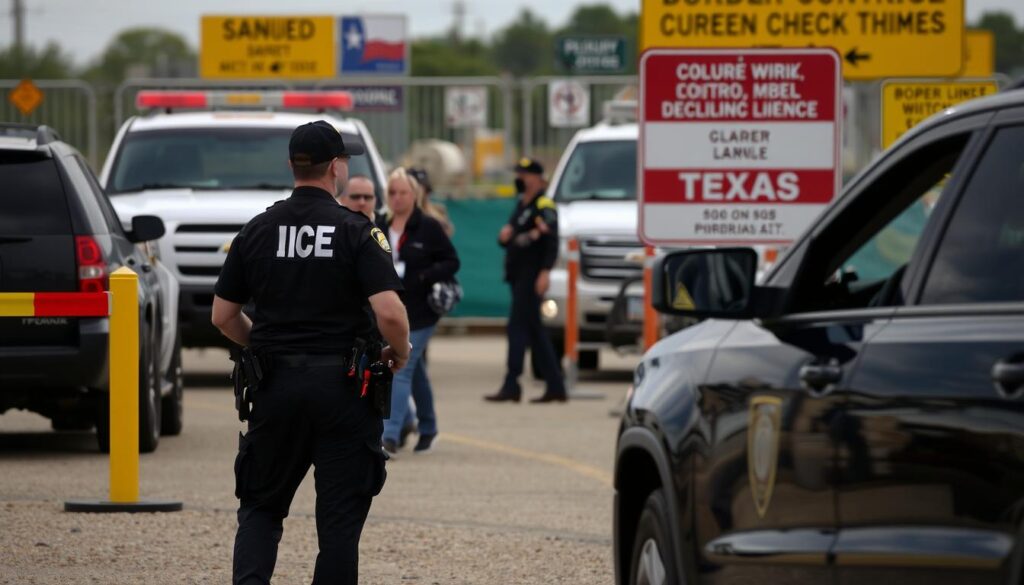
How vehicle stops have been used
Vehicle stops are often used to find and arrest people away from their homes or jobs. This method can make a block less visible, but it also raises questions on the road. When stops are paused, teams might use surveillance more or make arrests at known spots.
Detention space, transport schedules, and staffing also play a role. They affect what agents can do on a given day. For example, constraints on deportation pace and capacity are important. This process is similar to how ice services adjust to changes in demand.
Policy and credibility concerns
There’s growing demand for transparency after shootings linked to enforcement. Sen. Angus King wants a thorough investigation. He believes a review by ICE or the FBI won’t be enough for many in Maine.
Sen. Susan Collins has also called for a halt to non-urgent stops. She wants answers about the Biddeford shooting. The focus is on who investigates, what evidence is shared, and how quickly facts are verified. This is what people expect from reliable ice services.
Debate over enforcement priorities
The administration says enforcement targets the worst offenders. But King has questioned this with arrest numbers from Maine last winter. He said over 200 people were arrested, with only 19 having criminal records. This suggests that about 90% had no criminal history.
This debate is ongoing in city halls and neighborhoods. Trust is built on clear data, consistent standards, and clear explanations. People expect the same from ice delivery, ice solutions, and premium ice services.
Conclusion
ICE has temporarily stopped most vehicle stops across the country. This move comes after deadly shootings in Houston and Biddeford. The agency says it will make exceptions for serious crimes, but this change affects daily operations right away.
For many, the issue is not just about policy. It’s about safety and trust. ICE calls this pause a short-term move. They are adding training on handling vehicle stops.
Protests and security plans are growing, like in Minnesota. There, the readiness of federal troops is a big topic. This is tied to ICE, as reported in troop deployment planning.
On Capitol Hill, calls for accountability are getting louder. Senator Angus King wants an independent investigation. He says it should not be led by ICE or the FBI. Senator Susan Collins has also asked DHS Secretary Markwayne Mullin to stop non-urgent traffic stops.
Even as the focus is on immigration. The real issue remains: how enforcement is carried out, who is targeted, and what oversight looks like when things go wrong. Hundreds protest in Maine over the fatal shooting of a Colombian man by ICE