FEMA Earthquake Preparedness: Be Ready, Stay Safe
Discover essential FEMA earthquake preparedness tips to protect yourself and your loved ones. Learn how to create a safety plan and build an emergency kit.
#image_title
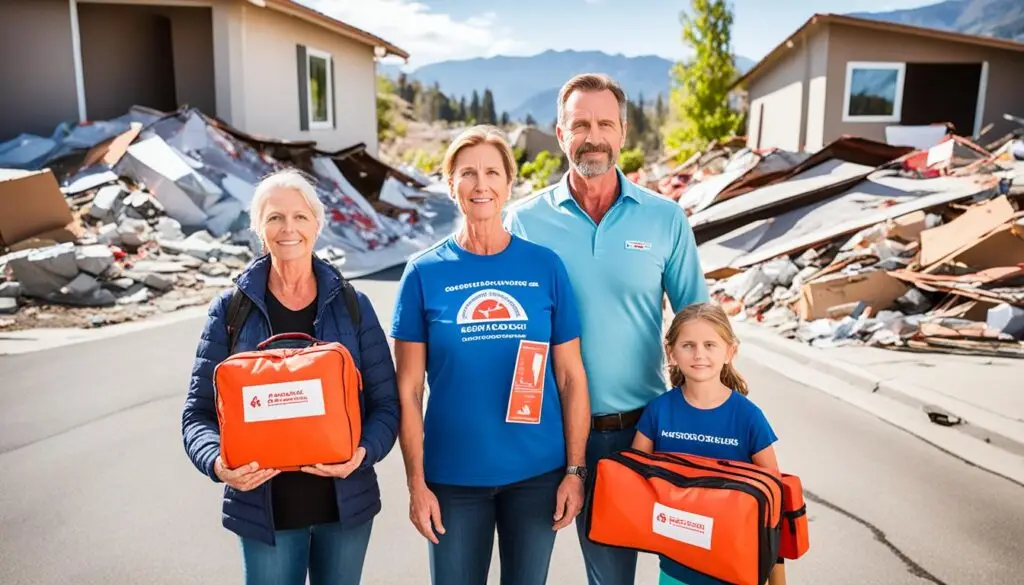
FEMA Earthquake Preparedness: Earthquakes can happen without warning, shaking the ground under us. They can strike anywhere, but some places are at higher risk. Being prepared is key to your safety. FEMA’s guidelines provide important steps to keep you and your loved ones safe.
Earthquake Preparedness | Ready.gov
Planning is key to earthquake safety. Create a family emergency plan that includes an out-of-state contact and meeting places. Furthermore, put together an emergency kit with food, water, and a flashlight.
FEMA advises securing heavy items at home. Things like bookcases and refrigerators can become hazards during an earthquake. Make sure they’re tied down. Furthermore, consider getting earthquake insurance, as regular home insurance might not cover earthquake damage.
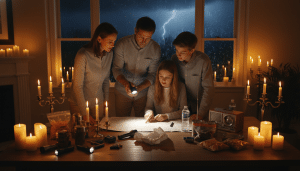
Power Outages Are Rising in the U.S. – Here’s How to Prepare – Network World News
Knowing how to act during an earthquake is vital. Practice the “Drop, Cover, and Hold On” method with your family and workmates. This action can save lives when the ground shakes. Your planning now can really help tomorrow.
Key Notes
- Earthquakes can occur anywhere, with higher risks in specific regions
- Create a family emergency communications plan
- Assemble an emergency supply kit with essentials
- Secure heavy items in your home to prevent injuries
- Practice “Drop, Cover, and Hold On” regularly
- Consider earthquake insurance for added protection
- Stay informed about local emergency procedures
Understanding Earthquake Risks in the United States
Earthquakes are a big threat in many parts of the United States. The U.S. Geological Survey (USGS) is key in tracking earthquakes. They conduct research and create maps to help us understand and prepare for these events
How to Survive a Summer Power Outage: Essential Tips
Identifying High-Risk Earthquake Zones
Some areas in the U.S. are more prone to earthquakes. These include Alaska, the Pacific Northwest, California, Hawaii, the Rocky Mountains, the New Madrid region, South Carolina, the Eastern United States, Puerto Rico, and Oklahoma. We need to focus on these places to reduce disaster risks.
Geological Factors Contributing to Earthquake Hazards
Many things affect earthquake risks. Old buildings are especially at risk of falling during an earthquake. Soil type and proximity to fault lines also play major roles in earthquake risk.
USGS National Seismic Hazard Map Overview
The USGS National Seismic Hazard Map shows where earthquakes are most likely to happen. It helps us plan for emergencies. FEMA also offers training on earthquakes for officials and experts.
| Region | Risk Level | Key Factors |
|---|---|---|
| California | High | San Andreas Fault |
| Pacific Northwest | High | Cascadia Subduction Zone |
| New Madrid Region | Moderate | Historical seismic activity |
| Eastern United States | Low to Moderate | Intraplate earthquakes |
Knowing these risks helps us take steps to make our communities safer from earthquakes.
Nuclear Winter: Is it real? Expert Insights
The Importance of Earthquake Preparedness
Being ready for earthquakes is key to staying safe. Earthquakes can happen suddenly, leaving you with little time to act. Most injuries come from falling things and debris, not the shaking ground. By getting ready, you can avoid these dangers and treat minor injuries at home. This helps keep emergency services free for more serious cases.
In places like California and Alaska, making a plan is a must. These areas face big risks from major faults. Oklahoma saw a huge jump in earthquakes in 2014, even beating California in the number of strong earthquakes.
Starting to prepare means knowing the risks. Did you know 42 states could face damaging earthquakes in the next 50 years? This shows why getting ready is important everywhere.
“Be prepared to be isolated and self-sufficient for at least three days and nights after an earthquake.”
FEMA says you should be ready for at least 72 hours, maybe up to two weeks, after a big quake. You’ll need enough food, water, and medical supplies. Furthermore, cell phones might not work well after a disaster, so texting is better than calling. Earthquake drills like ShakeOut are a good idea. This worldwide event, backed by FEMA and others, helps people, families, and businesses prepare for earthquakes. By doing these things, you’ll be more ready to face what earthquakes bring.
FEMA Earthquake Preparedness Guidelines
FEMA’s earthquake preparedness guidelines are key to reducing risks and keeping you safe. They focus on emergency planning to protect you and your family.
Creating a Family Emergency Communications Plan
Having a family emergency plan is essential for staying in touch during emergencies. Pick an out-of-state contact for everyone to reach out to. Furthermore, choose meeting spots close to home and in another town. Please practice your plan so everyone knows what to do.
Assembling an Emergency Supply Kit
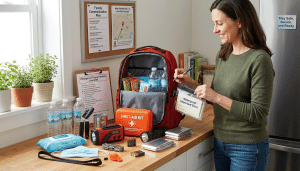
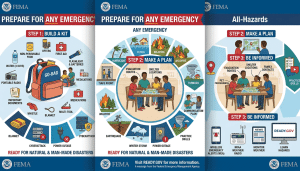
Your emergency kit should include enough supplies for your family to last 72 hours. Include non-perishable food, water, flashlights, batteries, a fire extinguisher, and a whistle. FEMA’s Ready.gov website has a full list of what to pack.
Securing Your Home Against Earthquake Damage
Make your home earthquake-safe by securing heavy items and storing breakables on low shelves. Consider strengthening your home by improving wall connections to the foundation. These steps can lessen damage during an earthquake.
FEMA’s guidelines stress the role of understanding risks and taking action to prepare. Good communication about risks helps keep people ready, affecting how they act.
Emergency planning is a continuous effort. The Emergency Alert System can warn the whole country quickly in emergencies. Schools and businesses need their own emergency plans that cover how to communicate, store food and water, and find shelter.
“Preparedness is not a one-time event but a continuous cycle of planning, organizing, training, equipping, exercising, evaluating, and taking corrective action.”
By using these guidelines, you’ll be ready for an earthquake and its aftermath. Stay updated, prepared, and safe.
FEMA Earthquake Preparedness Safety: Drop, Cover, and Hold On
Earthquake safety is key to staying safe during seismic events. The “Drop, Cover, and Hold On” method is a vital way to protect yourself. When shaking starts, drop to your hands and knees, find shelter under a strong piece of furniture, and hold tight until it stops.
Interested in preparedness? See all posts here: More Preparedness Articles
This approach shields you from falling objects, which are more likely to hurt you than buildings falling. Don’t think doorways in modern buildings give extra safety, and don’t run outside because of falling debris. If using a wheelchair: Lock the wheels, bend over, and cover your head with your arms.
- If using a walker: Sit down and protect your head and neck
It’s key to practice these safety steps every year to be ready for earthquakes. Where you are during an earthquake affects how you stay safe. Find out what to do in different places, such as in a tall building, in a store, or outside.
“It is important to think about what you will do to protect yourself, wherever you are, when the earth begins to shake.”
Don’t feel safe just because you’ve been through earthquakes before. Stronger tremors can make floors shake a lot, causing them to move sideways quickly. By following these tips and planning for emergencies, you can reduce your risk of injury in an earthquake.
| Location | Recommended Action |
|---|---|
| Indoors | Drop, Cover, and Hold On under sturdy furniture |
| High-rise building | Drop, Cover, and Hold On; avoid windows and elevators |
| Store | Use shopping carts or clothing racks for extra protection |
| Outdoors | Move to a clear area if safe, then Drop, Cover, and Hold On |
| Driving | Pull over, stop, set the parking brake; avoid hazards |
Building Your Earthquake Emergency Kit
Getting ready for earthquakes is key to staying safe. Having an emergency kit filled with the right supplies can really help when disaster strikes. Let’s go over what you should put in your kit.
Essential Food and Water Supplies
Your emergency kit needs food and water for a few days. Make sure to pack one gallon of water per person for at least three days. Choose foods that won’t spoil and will keep you full. And don’t forget a manual can opener for those canned goods.
First Aid and Medical Necessities
A first-aid kit is crucial for treating injuries after an earthquake. ¹¹ Make sure to include any prescription medicines you or your family might need. For safety during the pandemic, add cloth face coverings for everyone over 2 years old.
Tools and Safety Equipment
Your kit should have tools for disaster mitigation. A flashlight with extra batteries is a must for when the power goes out11. A battery-powered or hand-crank radio will keep you updated on the situation11. And remember, a whistle can be used to signal for help if you’re in trouble11.
| Category | Items | Quantity |
|---|---|---|
| Food and Water | Non-perishable food, Water | 3-day supply, 1 gallon per person per day |
| Medical | First aid kit, Prescription medications | 1 kit, As needed |
| Tools | Flashlight, Radio, Whistle | 1 each |
| Other | Cash, Local maps, Dust mask | As needed |
Don’t forget to include cash or traveler’s checks in your kit10. Local maps can be useful if you need to leave without power or internet11. A dust mask can protect you from bad air11. Keep a smaller version of your kit in your car for easy access11.
Check and update your emergency supplies regularly. Replace anything that’s expired and review your needs every year11. With a well-prepared earthquake emergency kit, you’ll be ready for whatever comes your way.
Earthquake-Proofing Your Home and Workspace
It’s key to protect your living and work areas from earthquake damage for your safety. The U.S. has 45 states and territories at risk of earthquakes. Here are important steps to make your space more earthquake-resistant.
Securing Heavy Furniture and Appliances
Begin by tying down large items to prevent them from tipping over. Use earthquake straps or brackets to keep bookcases, fridges, and water heaters on the wall. This action greatly reduces the risk of injury and damage.

Reinforcing Structural Elements
Strengthening your building’s structure is crucial for earthquake safety. Pay attention to chimneys, foundations, and garage walls. If your building is old, get a pro to check for weak spots that need fixing.
Installing Safety Devices
Boost your home’s readiness for earthquakes by adding safety gadgets. Automatic gas shut-off valves can stop fires, which are a big risk after an earthquake. Use earthquake-resistant fasteners for hanging things and flexible connectors for gas appliances.
| Area | Earthquake-Proofing Measure | Benefit |
|---|---|---|
| Living Room | Secure bookshelves to the walls | Prevents falling hazards |
| Kitchen | Install latches on cabinets | Keeps contents secure |
| Bedroom | Anchor heavy mirrors | Reduces injury risk |
| Garage | Reinforce garage walls | Improves structural integrity |
Earthquakes can happen anytime, so it’s vital to act now12. By doing these things, you’re not just saving your stuff. You’re also keeping your family safe during earthquakes.
During an Earthquake: Immediate Response Actions
When an earthquake hits, acting fast is key to safety. The best thing to do is “Drop, Cover, and Hold On.” Drop to the ground, hide under a strong desk or table, and hold on until it stops13.
If you’re in bed, stay there and cover your head with a pillow. If you’re outside, move to an open area away from buildings and trees. If you’re in a car, pull over to a clear spot and use the parking brake.
Avoid doorways, running outside, or using elevators. In tall buildings, be ready for fire alarms and sprinklers to go off. Watch out for landslides if you’re near slopes or mountains.
| Location | Action |
|---|---|
| Indoors | Drop, Cover, Hold On |
| In Bed | Stay and protect your head. |
| Outdoors | Move to the Open Area |
| In Vehicle | Pull Over, Set Brake |
The first minutes after an earthquake are very important. Quickly checking for damage and figuring out what to do next is crucial. Be ready for more shaking and keep up with local news for safety tips.
Once the shaking stops, check for anyone who may be hurt and look for damage. If needed, turn off gas, electricity, and water at the main switches and valves to avoid further danger. 14. Stay calm and follow any official advice for a safe recovery.
Post-Earthquake Safety Measures
When an earthquake hits, your skills in disaster response and planning are crucial. You must act fast and carefully to stay safe.
Assessing Personal and Structural Damage
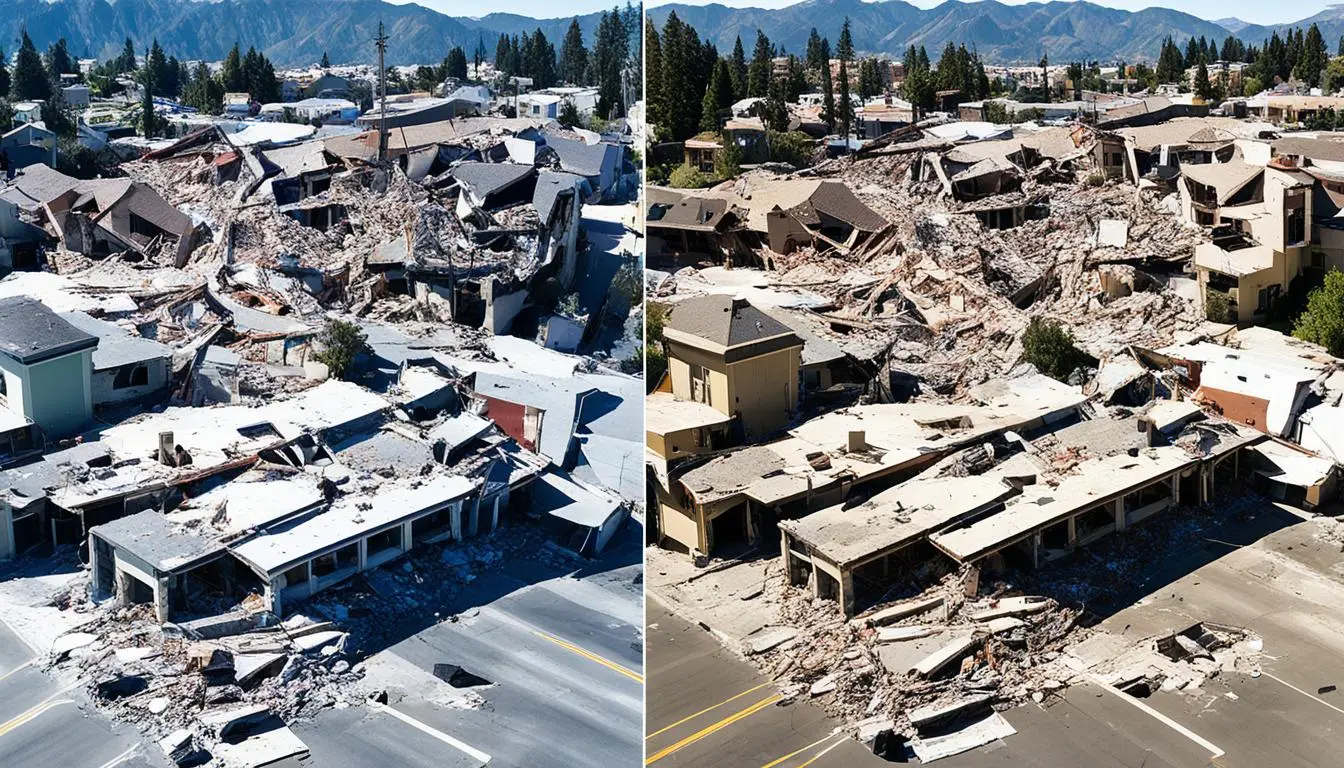
First, check yourself and others for injuries. If you’re in a damaged building, leave immediately. Don’t go back until it’s safe to do so. Knowing how to check if a building is prepared for earthquakes. Look for cracks, fallen objects, and unstable spots.
Navigating Aftershocks and Secondary Hazards
Be prepared for aftershocks, as they can cause more damage. If you’re near the coast, move to higher ground quickly. Experts say a big earthquake is likely to hit California soon. Keep an eye out for other dangers and follow safety tips.
Communicating with Family and Authorities
Text messages are best for contacting people, as phones might be busy. Sign up on the American Red Cross “Safe and Well” website to let others know you’re okay. FEMA can offer shelters and help if the president declares a disaster.¹⁶. Keep an ear to local news for updates and what to do next.
Most insurance doesn’t cover earthquake damage. Think about getting earthquake insurance, especially if you live where earthquakes are common. Californians are urged to protect their homes with earthquake insurance.
By taking these steps after an earthquake, you’ll be ready for what comes next. Stay safe and informed, and look after your well-being right after an earthquake.
Community Preparedness and FEMA Resources
Getting your community ready for earthquakes is key to a strong response. FEMA has many tools to help you and others prepare for these events.
Participating in Earthquake Drills
Join in on big earthquake drills like the Great ShakeOut. These drills let you practice “Drop, Cover, and Hold On” and speed up your response. Get your neighbors, coworkers, and family to join you in building a preparedness culture.
Accessing FEMA’s Earthquake Preparedness Programs
FEMA has many resources to help you get ready for earthquakes. You can order materials on getting ready for yourself and your community from the FEMA warehouse or download them for free. These materials include guides on earthquakes and other disasters, plus a 12 Ways to Prepare postcard with key steps.
FEMA also works with the Advertising Council to teach Americans about emergency prep. These ads talk about making emergency kits, planning how to communicate, and disaster tips, including for earthquakes.
Utilizing Local Emergency Services
Get to know your local emergency services and plans. FEMA’s National Preparedness Report provides insights for different groups to plan better 21. This info helps you connect with your community’s readiness efforts.
By joining in on community readiness efforts and using FEMA’s resources, you help make your community stronger against earthquakes.
| FEMA Resource | Description | Target Audience |
|---|---|---|
| Family Communication Plan for Kids | Helps children organize emergency contact info and find meeting spots | Families with kids |
| Emergency Preparedness Curriculum | Teaches students how to act before, during, and after emergencies | Students (Grades 1-12) |
| Disaster Preparedness Guide | Supports checking needs, making a plan, and getting support | Older Adults |
FEMA Earthquake Preparedness: Conclusion
Being ready for earthquakes is key to keeping our communities safe. By knowing the risks and following FEMA’s advice, we can better prepare for seismic events. The National Preparedness Goal emphasizes the necessity of everyone working together. This includes individuals, communities, and all levels of government.
Your first step in earthquake safety is making a detailed emergency plan. This means assembling a disaster kit with the basics for at least 72 hours, as FEMA recommends. Good planning also means making your home safe, joining in community drills, and knowing about local dangers and how to react.
The U.S. faces many disaster risks, with 18 weather and climate disasters causing over 474 deaths in 2022. This shows we need strong emergency management across all stages: prevention, preparation, response, and recovery, 24/7. By being proactive and joining community efforts, we help make our areas more resilient to earthquakes and other disasters.
In summary, being ready for earthquakes is an ongoing effort that requires constant attention and dedication. Keep up with the latest news, update your emergency kit, and take part in local safety plans. With the right planning and action, we can meet the challenges of earthquakes and other disasters with confidence and readiness.
FEMA Earthquake Preparedness: FAQ
What are the high-risk earthquake zones in the United States?
High-risk earthquake areas in the U.S. include Alaska, California, Hawaii, Oregon, Puerto Rico, Washington, and the Mississippi River Valley. These regions are often associated with tectonic plate boundaries and known fault lines.
Why is earthquake preparedness important?
Earthquakes can happen suddenly and without warning, causing significant damage and potential loss of life. Being prepared allows individuals to avoid unnecessary excursions, address minor medical issues at home, and reduce the burden on emergency services during a crisis.
What should a family emergency communications plan include?
FEMA recommends creating a family emergency communications plan with an out-of-state contact and designated meeting places for your family to reconnect after an earthquake.
What should an earthquake emergency supply kit contain?
An earthquake emergency kit should include a minimum 72-hour supply of non-perishable food and water, a manual can opener, flashlights with spare batteries, a battery-powered or hand-crank radio, first-aid supplies, essential medications, and tools such as a fire extinguisher and a whistle.
How can I secure my home against earthquake damage?
Earthquake-proofing measures include securing heavy furniture and appliances to walls, reinforcing structural elements like chimneys and foundations, and installing safety devices such as automatic gas shut-off valves. Regularly inspect and maintain these precautions.
What is the “Drop, Cover, and Hold On” technique?
The “Drop, Cover, and Hold On” technique is crucial for earthquake safety. Drop to your hands and knees, take cover under a sturdy piece of furniture, and hold on until the shaking stops. This helps protect against falling objects and reduces the risk of injury during an earthquake.
What should I do immediately after an earthquake?
After an earthquake, check yourself and others for injuries, evacuate damaged buildings immediately, and be prepared for aftershocks. Use caution around damaged areas, and in tsunami-prone areas, move to higher ground immediately. Follow local news for emergency information and instructions.
How can communities enhance earthquake preparedness?
FEMA encourages community-wide preparedness through participation in earthquake drills like the Great ShakeOut, familiarizing residents with local emergency services and FEMA’s earthquake preparedness programs, and utilizing resources such as FEMA’s earthquake safety video series and tip sheets.
Source Links
More Preparedness Articles
- FEMA: Earthquake Preparedness | Ready.gov
- Earthquakes | Ready.gov – https://www.ready.gov/earthquakes
- Earthquake Preparedness | California Governor’s Office of Emergency Services – https://www.caloes.ca.gov/office-of-the-director/operations/planning-preparedness-prevention/seismic-hazards/earthquake-preparedness/
- Drop, Cover, and Hold On—https://cusec.org/earthquake-safety-https://cusec.org/earthquake-safety-preparedness/during-an-earthquake/5-drop-cover-and-hold-on/
- https://www.redcross.org/content/dam/redcross/atg/PDF_s/Preparedness___Disaster_Recovery/Disaster_Preparedness/Earthquake/Earthquake.pdf
- Earthquake Safety – https://www.redcross.org/get-help/how-to-prepare-for-emergencies/types-of-emergencies/earthquake.html
- Free Publications | Ready.gov – https://www.ready.gov/publications
- Preparedness Videos | Ready.gov – https://www.ready.gov/videos