FEMA Hurricane Preparedness Guide For The Family
Discover how to secure your loved ones with FEMA Hurricane Preparedness Guide for the Family Get tips for safety, emergency plans, and kits.

#image_title
After many hurricanes hit places like Puerto Rico, getting ready early is key. FEMA’s guide helps families make emergency kits, plan how to communicate, and stay up to date with trusted sources. This guide aims to ease the stress of hurricane season by making sure families are ready and informed. More Preparedness Articles.
Start by making an emergency kit with enough food, water, and personal items for 10 days. Make sure it includes items for everyone, like special diets, kids, older people, and pets. Don’t forget extra masks, soap, hand sanitizer, and wipes to help fight COVID-19 in shelters. A family plan with contact numbers and meeting spots is vital for staying in touch and organized during emergencies.
Keep up with the latest news through local media, the FEMA app, and a battery-powered radio21. These tools help you get warnings and advice quickly. Being prepared and ready is crucial for keeping your family safe during hurricanes.
Hurricane Preparedness Guide Key Takeaways
- Assemble a 10-day emergency supply kit with food, water, and personal care items for all family members.
- Include special considerations for dietary needs, children, older people, and pets.
- Incorporate COVID-19 protection supplies, such as masks and sanitizers, into your emergency kit.
- Create a family communication plan with designated contacts and meeting places.
- Stay informed through the FEMA app, local media, and a battery-powered radio for the latest updates.
Why Hurricane Preparedness Matters
With hurricanes becoming more common due to climate change, it’s vital to know why getting ready is key. Getting your family ready means planning, making your home safe, and keeping everyone’s well-being in mind. This helps lessen the stress caused by these storms. The U.S. government has an official plan for the zombie apocalypse.
The Increasing Frequency of Hurricanes
Climate change is making hurricanes more frequent and intense. Warmer oceans and changing weather patterns help hurricanes form and grow stronger. So, it’s crucial to learn how to be ready for hurricanes. This includes making escape plans, protecting your home, and putting together disaster kits for your family, such as pets and people with special needs.
Impact on Families and Communities
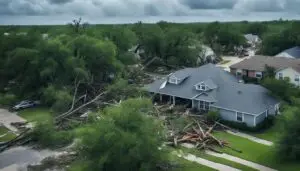
Hurricanes can really hit families and communities hard. They cause emotional and physical harm and damage property. To be ready, make sure your home is secure, and stock up on important items like water, food, and medicine. It’s smart to keep a week’s worth of prescription and over-the-counter drugs on hand for different health needs. Essential supplies to have on hand for winter emergencies.
Having ways to receive alerts, such as battery-powered radios, is also key during power cuts. Families should check out the FEMA Hurricane Preparedness Guide for Families early in the season. Communities can also learn a lot from events with experts on emergency response. They can share tips on evacuating safely and protecting your home.
Building a Comprehensive Disaster Kit
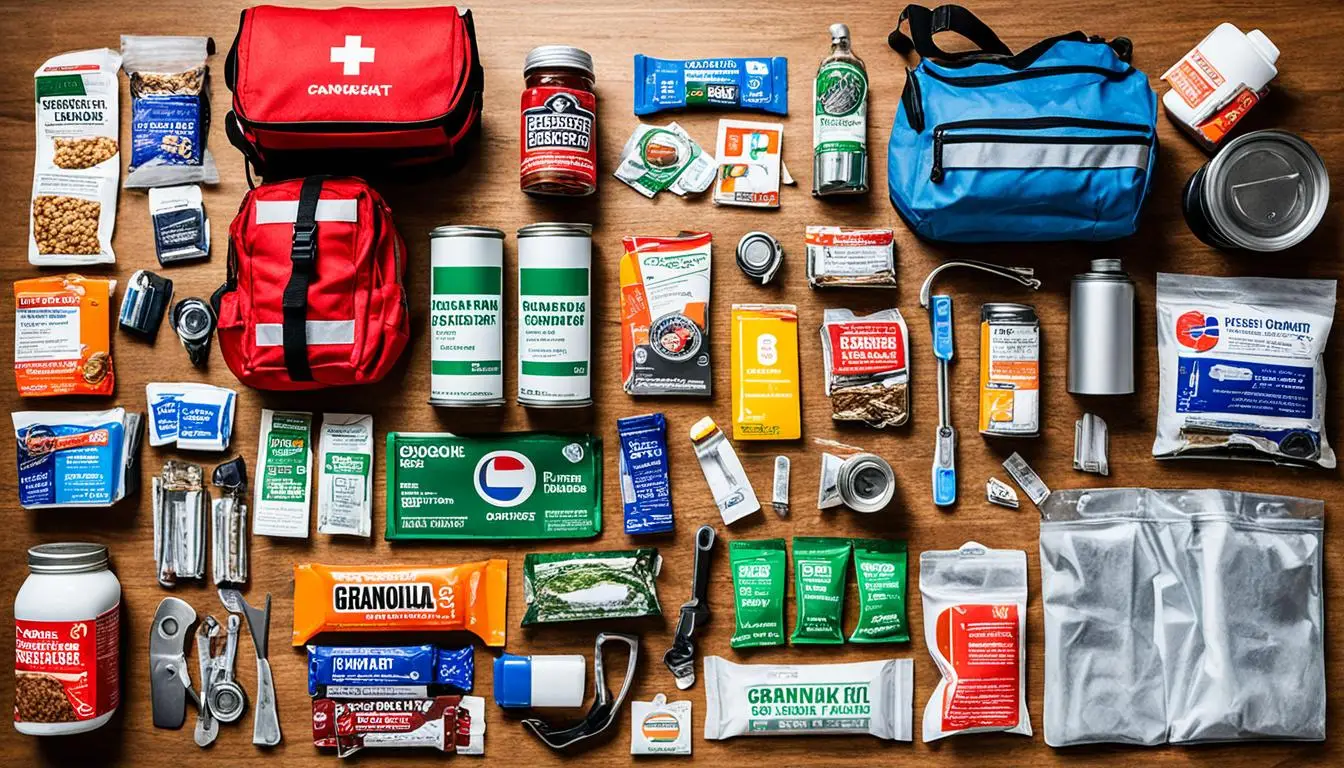
Creating a disaster kit is key to family safety. It should have at least 3 days’ worth of water, 1 gallon per person daily. Don’t forget non-Don’thable food, first-aid kits, and a battery-powered or hand-crank radio. Nuclear attack and dirty bomb survival guide, keep your family safe with knowledge that could save your life.
Traveler’s Considerations for Specific Needs
Think about the needs of infants, nursing moms, and older people. Keep important papers like insurance and ID safe in a waterproof container or in the cloud. Make sure each kit includes personal items such as feminine products and hygiene supplies. Books or puzzles can keep kids happy during long waits.
Including Supplies for Pets
Don’t forget pets in your disaster plan. Add pet food, extra water, and pet supplies to your kit. Remember to plan for pets when choosing meeting spots outside the house and neighborhood. This way, all family members, including pets, stay safe and cared for in emergencies.
For more tips on building a disaster kit, check out the FEMA Nuclear Attack Survival Guide.
Creating a Family Communication Plan
Creating a family communication plan is key to hurricane preparedness. It helps keep everyone in touch and safe during disasters. A well-thought-out plan is crucial.
Establishing Points of Contact
First, pick an out-of-town contact for your family. This person should be reachable if the local phone service doesn’t work. Make sure each family member has this contact’s number. Use tools like RReady.gov’s “Make a Plan” to help complete your plan.
Deciding on a Meeting Place
Choose safe spots for your family to meet, both inside and outside. Pick places like closets or bathrooms for indoors, and a neighbor’s somewhere out of town for outdoors. Add these spots to your evacuation plan so everyone knows where to go.
Keeping Important Documents Accessible
Keep important papers safe by storing copies in a waterproof, fireproof box. FEMA offers a family emergency plan with checklists to help you stay safe. Having these documents ready makes recovery and claims easier after a disaster.
For more tips, check out the FEMA Family Safety Guide. It’s full. It’s useful advice to keep your family ready.
Understanding Evacuation Routes
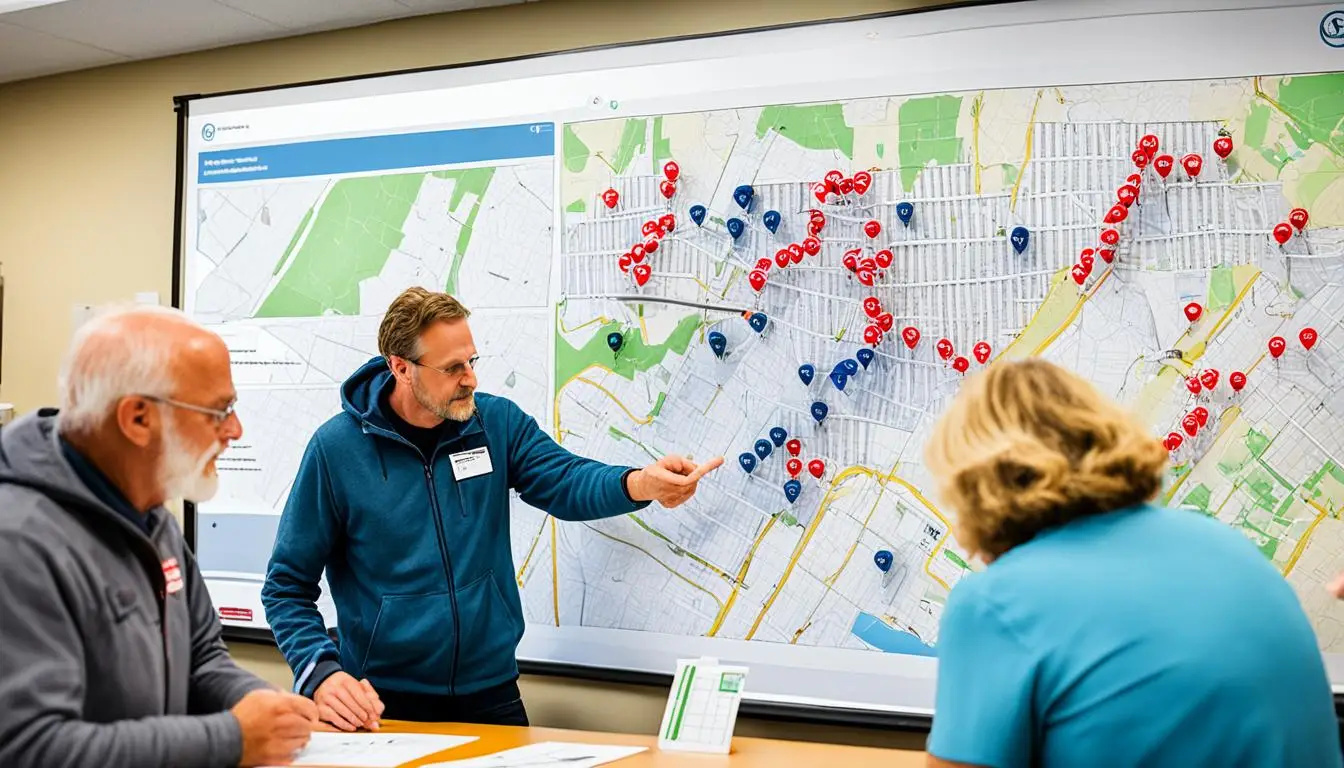
Knowing your evacuation route is key when making a family evacuation plan, especially during hurricane season. It’s important to get to know local evacuation routes and shelters. The National Risk Index tool can help you understand local risks.
Local Shelter Information
Each state has its own evacuation zones and routes. Make sure to sign up for alerts from local emergency agencies and the National Weather Service. Have a go-bag ready with important supplies. Most public shelters don’t allow pets, but service animals are okay.
Listen to local authorities during an evacuation and follow their instructions. Plan for different evacuation routes to be ready for any changes. Make sure your car has a portable emergency kit and know other ways to get around if you can’t drive. Due to the COVID-19 pandemic, it’s also important to have masks and hand sanitizers ready for evacuations.
Changes Due to COVID-19
Because of COVID-19, evacuation and shelter plans have changed. Keep up with local news and use apps like the FEMA App for updates. With shelters likely to be crowded, having masks and hand sanitizers in your emergency kit is crucial.
The hurricane season runs from June 1 to November 30 in the Atlantic and central Pacific, and from May 15 to November 30 in the eastern Pacific. So, planning early and taking steps against COVID-19 is vital. Remember, you need insurance for hurricane damage, so act early.
Now more than ever, knowing how to evacuate, where to go, and how to prepare for COVID-19 is crucial. Stay updated, plan well, and make sure everyone knows their part in the evacuation plan.
FEMA Family Emergency Kit Checklist
Being prepared for a hurricane is key, and the FEMA family emergency kit checklist helps. Start with food and water, such as ready-to-eat meats and fruits. Don’t forget a First Aid Don’tl and a 5″ x 9″ sterile dressing. Include non-prescription and prescription medicines, such as aspirin, for medical needs.
Don’t forget to keep Don’tean with heavy-duty plastic bags and ties. Matches in a waterproof container are also crucial for fire.
Have a full set of clothes and bedding for each family member. Keep important documents and keys safe and easy to find.
Customize your emergency kit for your family’s needs. Add gfamily’s toys for kids during power outages. Don’t forget pet food. Don’t forget medicines for pets.
For hurricane-prone areas, check your insurance for wind and flood damage. Buy flood insurance early, as it takes 30 days to start. These steps help protect you financially during and after a hurricane.
For a full list of items, see the FEMA family emergency kit checklist on Ready.gov. Keep updating your supplies for emergencies.
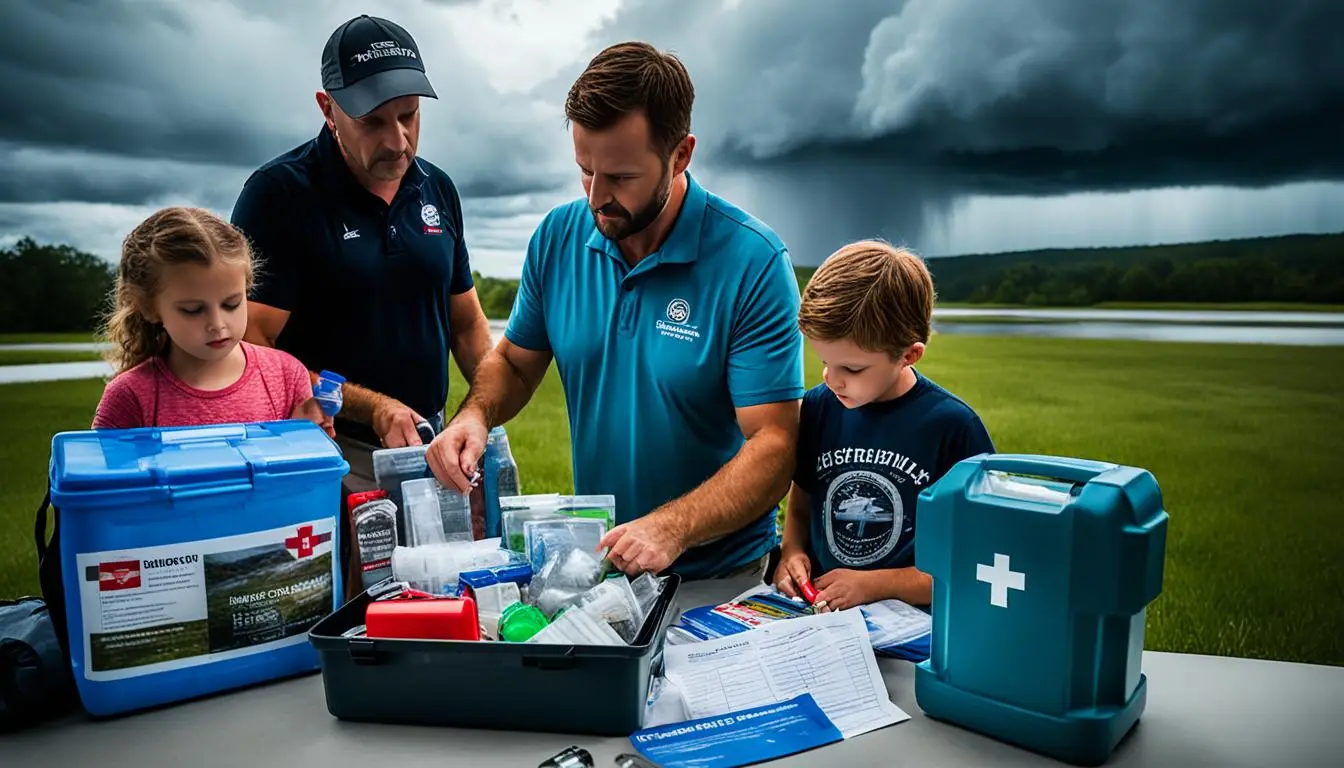
Stay updated during a hurricane with a hand-crank or battery-powered radio. Follow these tips to make a strong emergency kit and keep your family safe.
Staying Informed During a Hurricane
When a hurricane hits, it’s key to have reliable sources for disaster info. Using the right tools and staying up to date helps you react quickly and stay safe.
Using the FEMA App
The FEMA app functionality keeps you in the loop with live hurricane alerts and safety tips. It offers weather updates, emergency info, and resources for hurricane-hit areas. You’ll find detYou’lln evacuation routes and shelter spots to aid quick decisions in emergencies.
FEMA’s Hurricane Video Teleconference (VTC) prepares the agency early, highlighting the value of early action and teamwork. With the app, you get the latest hurricane alerts and safety tips anytime, anywhere.
Local Media and Alerts
Local media are key for disaster info, alongside the FEMA app. Local news and radio give you the latest on weather, evacuation orders, and more. Community leaders and emergency managers work together to spread preparedness messages, ensuring everyone gets the latest info.
Importance of a Battery-Powered Radio
Power outages are common during a hurricane, making electronic devices useless. A battery-powered radio is crucial for staying updated when other comms fail. These radios receive emergency broadcasts and provide storm updates and emergency instructions. They’re vital for the management and restoration of urgent needs.
People in high-risk areas should rehearse their evacuation plans and keep an eye on the hurricane’s progress through alerts. Watch out for dangers like fast-moving water and landslides during heavy rain. Make sure you have your emergency items ready and know your evacuation routes.
Family Emergency Plan: Steps to Take
Creating a family emergency plan is key for hurricane preparedness and safety. Start by picking two meeting spots: one near your home and another away from your neighborhood. This way, everyone knows where to go if separated. Also, choose an emergency contact outside your area, as lines might be busy during a disaster.
Make sure everyone has the emergency contact info on their phones and in writing. Keep it in a waterproof container. Work out your evacuation plan, including various routes to places like a hotel, a relative’s home, or a shelter. Practice your evacuation plan twice a year and have backup routes ready for when main roads are blocked. Don’t forget to include Don’tin your plan. List places that accept pets along your evacuation path, and pack emergency supplies for them, too.
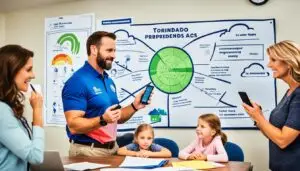
With internet access limited during a hurricane, having a clear communication plan is vital. Regularly practicing your emergency plan builds confidence and familiarity among family members. Also, connecting with neighbors can offer support and help during emergencies, making your community stronger.
The FEMA Hurricane Preparedness Guide for Families stresses the need for regular training and safety habits. For more tips on making your family emergency plan, check out this guide.
Preparing Your Home for a Hurricane
Getting ready for a hurricane means making your home hurricane-proof. This means securing windows and doors and protecting your valuables. It’s important to take these steps to reduce damage.
Securing Windows and Doors
Windows and doors are the first line of defense against hurricanes. Installing storm shutters can help prevent window breakage. If shutters aren’t an option, plywood panels are a good alternative.
Make sure your exterior doors are strong. Use doors with three hinges and locks that are 1 inch long. Sliding glass doors should have shutters or plywood for extra protection. Don’t forget to secure your garage door with a model designed for high winds.
Protecting Important Assets
Protecting your valuables is also crucial. Keep important documents and items in water-resistant containers in a safe spot. Also, check your roof, fix gutters, and seal wall openings to keep water out. Trim any weak branches and trees near your house to prevent damage. Review your insurance and document your possessions to help with claims.
Preparing for a hurricane is an ongoing process. You can do it in stages to manage costs. By following these tips, you’ll make your life easier and give yourself peace of mind.
Special Considerations for Individuals with Disabilities
Planning for people with disabilities means tailoring your approach to meet their unique needs. Half of all Americans take a prescription medication daily, which is why including meds in your emergency kit is key. It’s important to ensure evacuation plans include options for people using power wheelchairs or other mobility aids. Having a backup, like a lightweight manual chair, is crucial.
Those with spinal cord injuries are at higher risk in extreme heat because they can’t cool down like others. People with serious mental health issues, like schizophrenia, also face risks from their meds affecting their body temperature. Having a strong support network is vital for disaster planning. Tell your network about your emergency supplies and give them a key to your home.
Make sure to arrange accessible transportation with local services or paratransit for easy evacuation. If you need dialysis, know where several facilities are located. Also, plan for power outages, especially if you depend on medical equipment.
Many emergency management agencies keep registries for people with disabilities to help them in emergencies. Service animals need food, water, and ID tags. For those who are deaf or hard of hearing, a weather radio with text display and a TTY device is a must.
People with cognitive or developmental disabilities might struggle to understand or explain how heat affects them. Clear communication strategies are key. Use Braille or large print on emergency supplies, and keep important info on flash drives.
- Backup medical equipment and supplies
- Accessible communication devices
- Detailed evacuation plans with support networks
- Transportation arrangements for accessible evacuation
By considering these special needs in your disaster plan, you can better prepare for emergencies. This ensures the safety and well-being of all family members.
FEMA Hurricane Preparedness for the Family
The FEMA preparedness guide
It is key to getting your family ready for hurricanes. It helps you follow important steps to keep your family safe when a hurricane hits.
A hurricane watch means tropical-storm-force winds are expected in 48 hours. A hurricane warning means these winds will hit in 36 hours.
Plan to leave quickly when told to evacuate. Hurricanes bring strong winds, heavy rain, storm surge, flooding, and tornadoes. These can damage far inland.
FEMA suggests having emergency supplies. This includes a Go-Kit for 3 days, a Stay-at-Home Kit for 2 weeks, and a 1-month supply of medicine. Think about what your family, especially kids, older adults, and pets, need during a hurricane.
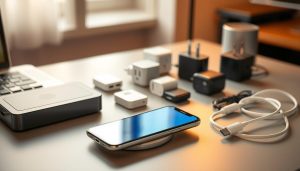
Stay connected by signing up for emergency alerts, keeping phones charged, and having a battery-powered radio.
Learn skills like First Aid, CPR, and how to use generators safely. Make your home ready by securing outdoor items and protecting windows.
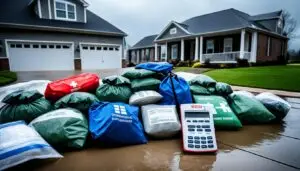
Get ready for flooding by cleaning drains and stockpiling materials like sandbags. Consider installing sump pumps with battery backups and moving heating systems to higher ground.
Leave immediately if ordered to evacuate. Follow evacuation routes and go to shelters or higher ground.
Important Emergency Contacts:
| Contact | Phone Number |
|---|---|
| FEMA | 1-800-621-3362 |
| FEMA (Speech/Hearing Impaired) | 1-800-462-7585 |
| SBA Disaster Assistance Center | 1-800-659-2955 |
| American Red Cross | 1-800-733-2767 |
| State Assistance Information Line (Florida) | 1-800-342-3557 |
| Price Gouging Report Line (Florida) | 1-866-9NO-SCAM |
Wait for official clearance before returning home after a hurricane. Be careful of downed power lines and flooded areas.
When cleaning up, wear protective gear and disinfect wet items. After the storm, throw away contaminated food and avoid tap water until it’s safe. Eat well, sleep enough, and get help for emotional issues.
Hurricane Preparedness Guide Conclusion
As we finish this guide on hurricane preparedness, it’s key to stress the need for early and detailed planning. This ensures your family’s safety. Hurricanes can bring winds over 74 mph and storm surges up to 20 feet high, affecting a wide area. By planning, you can lessen the impact of storms and help with recovery later.
Start by making a disaster kit and thinking about your family’s specific needs. Don’t get about your pets. Use tools like the FEMA App and Ready.gov to learn more about preparing for hurricanes. Keep your family’s communication plan current and know your evacuation routes and shelter options, especially with COVID-19 in mind.
Regularly check and update your emergency plans and kits. Hurricanes are very destructive, causing floods that can sweep away cars in just two feet of water. By improving your plans and staying informed, your family can better face and recover from hurricanes. Let this guide give you the knowledge to protect your family from hurricane dangers.
Hurricane Preparedness Guide FAQ
Why is it important for families to prepare for hurricanes early?
Preparing early helps reduce stress and makes sure you have everything you need to keep your family safe during hurricane season.
What essential items should be included in a family disaster kit?
Your disaster kit should include 10 days of non-perishable food, 1 gallon of water per person per day, and personal sanitation items. Don’t forget medications, emergency contact info, and pet supplies.
How do I create an effective family communication plan for a hurricane?
Pick meeting points, choose an out-of-town contact, and agree on a common meeting spot. Keep important documents easy to find at all times.
What are the special considerations for families with specific needs during a hurricane?
If you have infants, older people, or members with special diets, make sure your disaster kit has the right supplies and care items for them.
How can I stay informed during a hurricane?
Use the FEMA app for weather alerts and safety tips. Follow local news and keep a battery-powered radio handy for updates if your phone isn’t working.
What should be included in a family emergency plan?
Your plan should outline evacuation routes, communication methods, and safety steps, and be tailored to our family’s needs and daily life.
How can we secure our home before a hurricane hits?
Make windows and doors stronger, keep important papers and valuables safe, and ensure your home is insured to minimize damage.
What is the importance of understanding evacuation routes and local shelter information?
Knowing how to get out and where to go is key to a safe evacuation. Keep up with any COVID-19-related changes and pack your supplies.
How should families with pets prepare for a hurricane?
Add pet supplies like food, water, medicine, and a carrier to your disaster kit. Make sure pets are included in your evacuation plan.
What special considerations should be made for individuals with disabilities during a hurricane?
Plan for accessible transport, a supply kit for your needs, and support networks. Use Ready.gov for more advice.
What does the FEMA family emergency kit checklist recommend?
The checklist must include items such as food, water, sanitation supplies, medicines, personal documents, and emergency contacts tailored for your family.
Source Links
- Creating a Comprehensive Hurricane Preparedness Kit for Your Home: A FEMA-Backed Guide – LEMOINE – https://1lemoine.com/creating-a-comprehensive-hurricane-preparedness-kit-for-your-home-a-fema-backed-guide/
- Operation Hurricane Prepare – https://createthegood.aarp.org/volunteer-guides/operation-hurricane-prepare.html
- Create Your Family Plan – https://emergency.vanderbilt.edu/vu/personal/plan.php
- Evacuation | Ready.gov – https://www.ready.gov/evacuation
- Disaster Preparedness Plan – https://www.redcross.org/get-help/how-to-prepare-for-emergencies/make-a-plan.html
- People with Disabilities | Ready.gov – https://www.ready.gov/disability
- Hurricane Preparedness Guide | Congressman Scott Franklin – https://franklin.house.gov/hurricane-preparedness-guide
- Hurricane Preparedness – https://www.redcross.org/get-help/how-to-prepare-for-emergencies/types-of-emergencies/hurricane.html