The History and Uses of Salt: A Prepper’s Guide.
Explore the rich history of Salt, its diverse uses in modern times, and its invaluable prepper value in our comprehensive guide.
Salt is a common item in American kitchens, but it often goes unnoticed. In times of tight budgets or power outages, its value becomes clear. This guide views salt as a practical, essential item, not just a trend.
Salt’s role is simple: it enhances the taste of food, supports body functions, and solves everyday problems. Sodium and chloride are key electrolytes that aid fluid balance, nerve signaling, and muscle function. This makes salt more than just a seasoning.
This article explores salt’s history and its modern uses in the U.S. It covers uses like curing meat, making saline rinses, baking, pickling, de-icing, water softening, and cleaning. It provides clear steps and safety tips. You’ll also learn important salt facts for when supplies are low.
For preppers, salt is valuable because it’s cheap, stable, and versatile. It stores well, serves many purposes in the pantry and garage, and can even be used as a bartering item in emergencies. In short, salt’s history shows why it became a global staple, and it remains valuable today.
Salt Key Takeaways
- Salt’s importance goes beyond flavor, reaching health and basic home needs.
- Salt history helps explain why communities guarded and traded it like a strategic good.
- Salt facts include its role as an electrolyte that supports nerve and muscle function.
- Salt can aid cooking, preservation, basic first aid, and household maintenance.
- Preppers value salt for long storage life, low cost, and many practical uses.
- This guide links everyday routines to resilience and self-reliance in the U.S.
Breaking News: Why Salt (Sodium Chloride) Still Matters in American Daily Life
Salt is not often in the news. But when it’s hard to find, storms hit, or money is tight, it becomes very important. It’s a key part of our daily lives that we don’t want to lose.
Salt’s importance in the kitchen, medicine cabinet, and tool shed
In the kitchen, salt does more than add flavor. It keeps proteins moist, enhances aromas, and makes simple dishes complete. This everyday benefit is huge when meals start to feel the same.
In the medicine cabinet, salt is vital for basic care. A simple saline solution can soothe dry skin, clean minor cuts, and help with hygiene when water is scarce.
Out in the garage, salt keeps things moving. It helps prevent slipping on icy steps and keeps moisture away in damp areas.
Salt facts preppers should know before stocking up
Salt doesn’t spoil as oils or grains do. Its main enemy is moisture. Keep it dry in a sealed container, and it will last a long time.
- Dry storage matters: humidity causes clumping, not spoilage.
- Power-free utility: many salt uses can be done without refrigeration or electricity.
- Small item, big reach: a modest supply supports cooking, care, and cleanup.
How salt benefits connect to resilience and self-reliance
Resilience relies on steady habits. Salt helps keep meals tasty, encouraging us to eat well during tough times. It also supports food preservation, saving calories when fresh food is scarce.
Self-reliance includes basic first aid and cleanliness. With some planning, salt can aid in simple rinses, cleaning, and winter safety. It’s not new; it’s trending because it’s essential during disruptions.
Salt History: From Ancient Harvesting to a Global Necessity
Salt history might seem ordinary today, but it was once a daily need. It shaped work, travel, and meals for most of human history. Salt went from a hard-won mineral to a global staple, teaching us lessons for today.
The history of salt and all its uses in today’s day and age, and its prepper value, begins with a simple fact. People always sought reliable salt sources. When salt was plentiful, communities thrived. But when it was scarce, life became much harder.
Early salt extraction methods: sea salt, rock salt, and brine
Early producers extracted salt from water, stone, and springs. Sea salt was made in shallow ponds by sun and wind. Rock salt came from ancient seabeds, where it was crushed into crystals.
Brine was another reliable source. Salt-rich springs and wells were boiled or evaporated to leave salt. These methods are used today, from sea salt to mined varieties.
Salt as a cornerstone of settlement, security, and survival
Salt helped decide where people lived. It supported storage and steady nutrition. With enough salt, they could cure meat and preserve fish, stretching vegetables through winter.
Salt was also key for travelers and households. It was compact, stable, and easy to trade. This explains why salt remains important in readiness planning today.
How the history of salt shaped cultures and cuisine
Salt history is seen in food. Salting and curing made local harvests travel-friendly, introducing new flavors. These techniques became traditions, like pickled vegetables and cured meats.
Today, salt connects the past to the present in practical ways. It supports preservation, improves flavor, and reduces waste. This is why salt history is more than trivia. It’s essential in everyday cooking and long-term storage.
Salt as a Trade Commodity and Economic Driver in U.S. and World History
Salt was like money in old markets. It was essential for daily life, but not everyone could make it. This need created a valuable trade.
Geography played a big role in the salt trade. Places with salt deposits or brine springs were lucky. Traders bridged the gap, building a steady market for a non-perishable item.
Salt routes, taxation, and why salt was once worth its weight
Before trucks, salt traveled by sea, land, and animal. Governments saw its value and taxed it. Salt was a key to power, not just a mineral.
When salt prices rose, people used less salt in their food. This changed how they ate and lived. It shows how policy can affect our daily lives.
How salt powered commerce, wars, and political movements
Salt was key in war and peace. Armies needed it for food, and cities for survival. Cutting off salt supplies was a powerful tactic.
“There is nothing more necessary than salt and sun.”
Needs like salt sparked political action. When salt was scarce, people got angry. This led to quick organization and change.
Salt production hubs and their impact on regional economies
In the U.S., salt mining boosted local economies. Jobs in mining and shipping supported many industries. This made salt even more important.
- Reliable production lowered food costs for nearby towns.
- Transport links, such as canals and rail lines, grew around steady freight.
- Processing demand kept salt moving even when crop markets shifted.
Today, salt’s role is just as vital. Disruptions like storms or strikes show their importance. Salt history teaches us that essential goods are precious when they’re hard to get.
The history of Salt and all its uses in today’s day and ag,e and its prepper value
In the United States, salt has become a common item. It helped towns grow and kept food fresh. Now, it’s found in pantries, clinics, and garages, serving new purposes.
The history of salt and all its uses in today’s day and age and its prepper value, shows its versatility. It’s used in cooking, protecting supplies, and keeping routines steady. It’s also cheap, compact, and easy to store.
Salt is more than just flavor today. It’s in processed foods, home baking, and preserving food. It also helps with winter road safety and basic home care. When storms hit, its wide use is very valuable.
For prepping, salt’s value lies in its long shelf life, many uses, and low cost. It’s great for meals and can also be used for curing, brining, or controlling moisture. This makes it a practical item.
- Food: seasoning staples, stretching bland pantry foods, and reducing waste by improving taste
- Preservation: dry curing, pickling support, and controlling water activity in stored foods
- Basic care: mixing simple saline for rinsing and routine hygiene support
- Home use: scrubbing, deodorizing, and handling ice in driveways and walkways
This article now focuses on practical uses. Next, it will cover preservation and baking, then health and first-aid. After that, it will discuss storage and barter, followed by winter de-icing, water softening, cleaning, and the types worth stocking. Each section builds on the importance of salt in modern times.
Salt Uses in Food: Flavor, Balance, and Better Meals with Less Waste
In a tight pantry week, good seasoning can change how a meal feels. Salt is key for rice, beans, pasta, and canned goods. It adds flavor, improves texture, and reduces waste.
How salt enhances flavor, balances sweetness, and suppresses bitterness
Salt does more than taste “salty.” It makes other flavors clearer. Tomatoes taste more like tomatoes, and broth tastes more like broth.
It also softens sharp edges. A small pinch can reduce bitterness in greens or coffee. This keeps sweetness from tasting flat.
These salt benefits are practical under stress. A well-salted pot of lentils can feel complete with fewer extras. This makes basic staples easier to stick with, day after day.
Practical seasoning techniques for shelf-stable staples
For reliable results, they often season in layers. A pinch in the cooking water for rice, another in simmering beans, and a final adjustment near serving can build depth without going too far. This approach also supports smart salt use when meals stretch across leftovers.
- Taste before adding more when using canned vegetables, jarred sauce, or bouillon, as they can be pre-salted.
- Add salt after draining and rinsing canned beans; rinsing lowers surface sodium and gives more control.
- For pasta, salt the water early, then season the finished dish lightly to avoid a one-note bite.
Salt in modern times: convenience foods vs. cooking from stores
Salt in modern times shows up in two very different kitchens. Convenience foods like boxed dinners and canned soups often arrive heavily seasoned, so “more” is rarely the answer. Cooking from stored staples is the opposite: plain grains and legumes need careful salting to taste satisfying.
That contrast shapes planning. When salt is already built into packaged meals, it becomes a label-reading skill. When meals come from long-term stores, it becomes a daily tool, and salt benefits depend on restraint, tasting, and steady adjustments.
Preserving Food with Salt: Curing, Pickling, and Moisture Control
Preserving food with salt is a smart way to make groceries last longer. It turns fresh food into something you can store in your pantry. This means you don’t have to shop as often or rely on refrigeration.
Why salt preserves: drawing out moisture and inhibiting bacterial growth
Salt pulls water out of food, making it harder for bacteria to grow. This is why salt is so useful for preserving food. It’s great when you don’t have power or enough fridge space.
It’s important to use the right amount of salt. Too little won’t protect food, and too much can make it taste bad. Salt is used to control moisture, not just for flavor.
Curing meats safely for long-term storage
Curing meats with salt is an old practice. It extends the shelf life of bacon, ham, and other dried meats. Salt helps firm the meat and reduce moisture, slowing down spoilage.
But curing safely requires careful planning. You need clean tools, cold temperatures, and the right handling to avoid contamination.
- Dry curing uses salt rubbed on the meat to remove moisture.
- Brining soaks meat in salted water to season it evenly and keep it moist.
Curing safely depends on the method, temperature, and time. Learning how to cure is important, not just for emergencies. It’s a skill that shows the value of salt in preserving food.
Pickling vegetables for pantry readiness and nutrition retention
Pickling uses salt to preserve vegetables and keep them fresh. In fermented pickles, salt helps good bacteria grow while keeping bad bacteria at bay. This is great for using up extra vegetables from your garden.
Pickling turns cucumbers, carrots, green beans, and cabbage into tasty additions to your meals. It helps reduce food waste and adds variety to your diet. This makes salt even more valuable in a prepper’s pantry.
Salt in Baking: Gluten Strength, Yeast Control, and Reliable Results
In a bread dough, salt may seem small, but it’s mighty. Home bakers quickly see its impact on texture, timing, and taste. This is even more true when the kitchen is hot, cold, or off-grid.
How salt strengthens gluten for structure and chew
Salt tightens the gluten network, helping dough hold gas better. This leads to a better rise, cleaner slices, and chewier bites. These benefits are key when flour quality varies or when a mixer is unavailable.
Studies on dough strength and salt reduction confirm what bakers observe. A detailed review of salt’s role in bread shows how small changes can make a big difference in stability and handling.
How salt controls yeast fermentation and prevents over-proofing
Salt slows down yeast, ensuring it works steadily. This prevents over-proofing, which can result in flat loaves and sour edges. In an outage, salt’s importance becomes a quiet form of insurance.
It also makes the dough less sticky and more predictable during shaping. This is important when baking in a Dutch oven, on a sheet pan, or in a small countertop oven.
Prepper-focused baking: bread, biscuits, and shelf-stable mixes
For preparedness, having shelf-stable basics is key: flour, yeast, baking powder, and salt. These support both yeast breads and quick breads, keeping the pantry flexible. Warm bread can boost morale better than another bland ration.
- Yeast breads: steadier rise, better crumb, and more consistent timing.
- Biscuits and bannock: improved flavor and a less “flat” taste.
- Dry mixes: more reliable results when batches are scaled up or shared.
They don’t need fancy gear to get value from salt benefits in baking. A measured hand, a steady knead, and a clean proof can turn simple staples into dependable calories. This is the everyday importance of salt that many overlook.
Salt Benefits for Human Health: Electrolytes, Nerves, and Muscles
Sodium and chloride are key for fluid balance and cell function. They are essential for hydration, nerve signals, and muscle contraction. These roles are vital, like during long workdays or when eating shelf-stable foods.
Modern diets often hide sodium in packaged foods. Many Americans get more sodium than they think, even before adding salt at the table. It’s not about getting more salt, but about knowing when and where to use it.
Adults need sodium for normal body functions. But it’s easy to get too much of the wrong stuff from processed foods. A study on electrolyte and sodium research helps understand the right amount.
In emergencies, salt helps in practical ways. It’s useful during heavy sweating, stomach bugs, or when food is scarce. Drinking plenty of water and watching your electrolyte intake is key, not just salt.
Some survival diets also highlight the need for hydration and electrolytes. A simple tip is to drink lots of water and keep an eye on electrolytes. This advice is found in a hydration and electrolyte guide.
- They can treat salt as a tool: useful with sweat, heat, and hard physical work.
- They can watch labels, as many “easy” foods deliver sodium fast.
- They can keep dietary salt separate from saline use, which belongs in first-aid planning.
Medical and First-Aid Uses: Saline for Hydration, Wounds, and Sinus Care
Many homes keep plain salt in their first-aid kits. It helps make a simple saline rinse. While not a cure-all, it’s useful in basic care when supplies are scarce. It’s important to use clean water and containers, and to use salt wisely.
Saline solutions for hydration support and basic medical care
Saline is just salt mixed with safe water. It’s used in everyday care routines. It helps with hydration in mild situations, like after sweating a lot.
One of the key benefits of salt is its role in fluid balance. But it’s not a substitute for medical treatment when symptoms are severe.
- Use only potable water and a clean bottle or jar.
- Stop if nausea, worsening weakness, or confusion shows up.
- Seek professional care for infants, older adults, or high-risk conditions.
Cleaning wounds and reducing contamination risk
Saline is used to rinse scrapes or cuts and wash away dirt. It’s a practical use for basic hygiene when a wound is fresh. Flushing out debris can lower contamination risk, but it doesn’t replace proper evaluation for deep wounds or bites.
They can rinse gently, pat dry with clean gauze, and cover the area to protect it. If bleeding won’t stop, redness spreads, or fever develops, they should get medical help.
Sinus rinses and respiratory comfort during allergy seasons
Saline rinses are a common option for sinus comfort during allergy seasons or smoky air events. Many people find salt beneficial in loosening thick mucus and clearing irritants from the nasal passages. It’s important to use sterile or properly treated water and to clean and dry tools like squeeze bottles or neti pots between uses.
For preppers, salt stays valuable because it supports several basic care routines without taking up much space. But they should seek professional care for persistent breathing trouble, facial swelling, or severe pain.
Salt Prepper Value: Why It’s a High-Utility Barter and Storage Item
In tough times, people often turn to simple, versatile items. Salt prepper value shines because it’s essential for cooking, cleaning, and even de-icing. It’s a staple that keeps its worth.
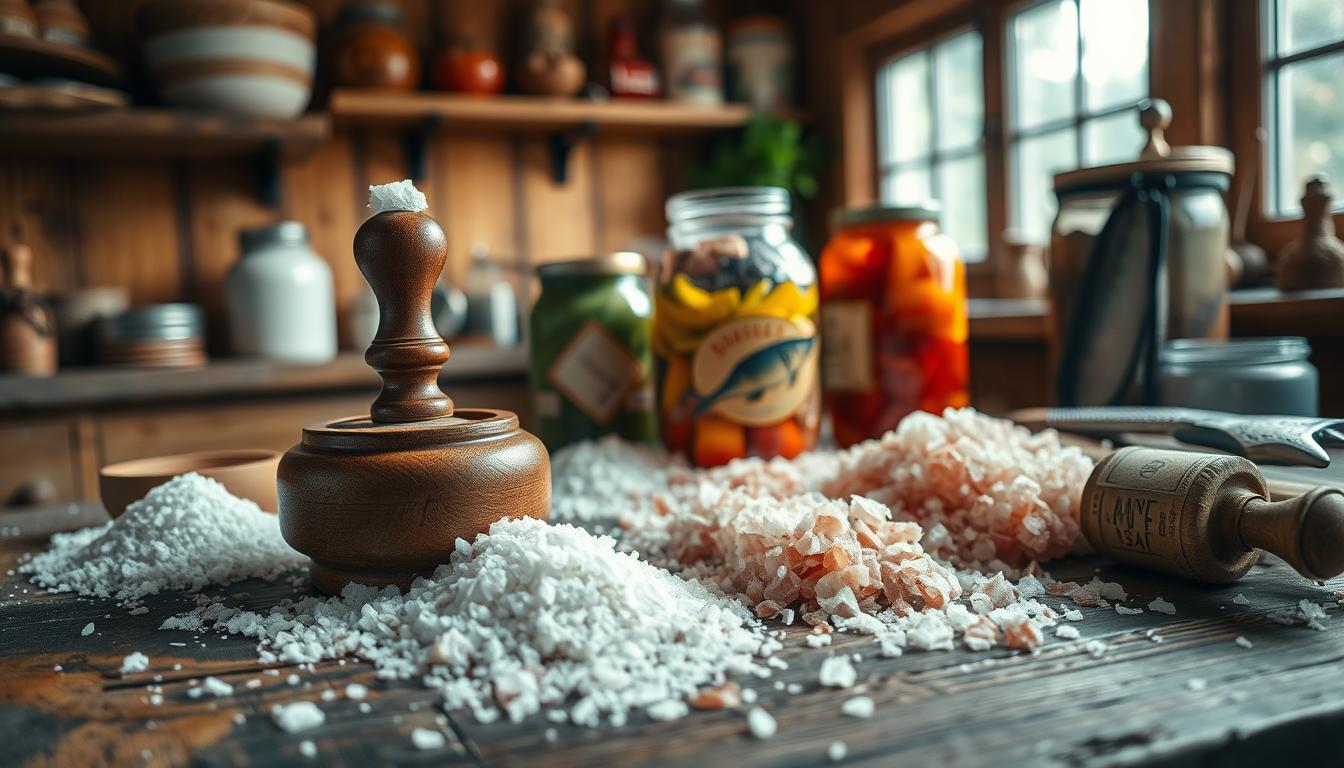
Looking back, the history of salt and all its uses in today’s day and age and its prepper value shows a pattern. When things get tough, practical items like salt remain valuable. People trust and know how to use it.
Long shelf life, compact storage, and multi-use versatility
Dry salt can last for years without losing its effectiveness. It’s dense, takes up little space, and is very useful. For many, it’s the heart of salt prepper value.
Keeping salt dry is key to its long-term storage. It can be divided into small jars for everyday use and larger bags for emergencies. Many also keep different types of salt for different needs.
Bartering considerations in local disruptions and extended outages
Bartering can be tricky, but basics like salt make it fair. It’s vital for cooking, preserving, and cleaning. Salt prepper value comes from its simplicity and usefulness.
When trading, it’s wise to focus on community needs. Avoid making medical claims; trade only sealed, labeled items. In times of uncertainty, simple items are often the most trusted.
Planning quantities: daily cooking, preserving, hygiene, and de-icing
Planning is easier when you categorize needs. The history of salt, its uses in today’s day and age, and its prepper value show its versatility. It’s used in more ways than people think.
- Daily cooking: seasoning staples like rice, beans, eggs, and soups.
- Preserving: curing projects, brines, and pickling batches that spike use fast.
- Hygiene support: basic saline mixes and rinse water where appropriate.
- De-icing: entry steps and small walkways when ice becomes the bigger threat.
Once you map out your needs, planning for salt becomes straightforward. Aim for a supply that fits your climate, diet, and storage. This way, the salt prepper value stays ready for any situation.
Salt in Modern Times: De-Icing Roads and Lowering Water’s Freezing Point
In winter, salt is often used on roads, not in cooking. It makes ice melt faster and prevents it from freezing again. This is why roads stay safer, even when it’s cold.
In the U.S., salt helps keep roads clear. It’s important for drivers and emergency workers. When it’s icy, salt helps avoid accidents.
Ice storms can be dangerous, as explained in ice storm alerts. Crews focus on areas that are likely to freeze again. This keeps roads safe.
Highway departments use sodium chloride and calcium chloride. They are effective and affordable. A report on deicing salt shows how they vary by region.
At home, salt can make steps and walkways safer. Keep it in a dry place and use it carefully. This way, you avoid confusion with food salt.
- Apply a light, even layer where foot traffic or tires compress snow into ice.
- Pay attention to surface type, as some finishes are more sensitive.
- Use care around pets and plants, following local advice.
Salt is a key tool for winter safety. It helps keep roads clear and people safe. This is important for daily life, such as getting to medical appointments or making deliveries.
Water Softening with Salt: Protecting Plumbing and Boosting Cleaning Power
In many U.S. homes, hard water causes problems like cloudy glasses and stiff towels. Salt plays a key role in water softeners, making cleaning easier and reducing water consumption. It’s a hidden hero in many homes.
How it removes calcium and magnesium in ion-exchange systems
A water softener uses a resin bed to catch calcium and magnesium. When it’s full, it needs a clean-up. This is done by flushing it with a common salt brine.
This process doesn’t make tap water salty. It replaces minerals that cause buildup with sodium ions. This makes water better for pipes and appliances, a big deal in hard-water areas.
Benefits for appliances, water heaters, and soap efficiency
Soft water reduces scale buildup in appliances, prolonging their lifespan. It also keeps faucets and showerheads clear. These benefits mean fewer repairs and steady hot water.
Soap lathers better in soft water, so you need less. This is a big help during shortages. For many, salt is key to saving money and comfort.
Storage and maintenance tips for households on hard water
Most use pellet, crystal, or rock salt for softeners. Store it in a dry place to keep bags sealed and off concrete. Smart storage ensures salt is always ready when needed.
- Check the brine tank level regularly, more so during busy laundry times.
- Break up salt “bridges” in humid basements to ensure brine flows well.
- Have an extra bag ready, as salt benefits are lost when the tank runs dry.
Cleaning, Deodorizing, and Stain Removal: Practical Household Salt Uses
When you’re out of supplies, a simple pantry item can be a lifesaver. Salt is like a multi-tool for your home. It helps with smells, dirt, and spills. This makes it a valuable asset in today’s fast-paced world.
It’s also good to know some salt facts. Salt is a bit rough; it sucks up moisture, and it mixes well with cleaners. These qualities make it great for keeping your home clean, not just for cooking.
Odor control in coolers, shoes, drains, and trash bins
Salt can tackle everyday smells by pulling moisture from the air and surfaces. Sprinkle a bit in a cooler after it’s empty, then wipe it clean before next use.
Canvas sneakers can also benefit from a pinch of salt overnight, then shake out in the morning. For sink drains, some people use salt followed by hot water to freshen up when cleaners are scarce.
- Coolers: dust with salt, let it sit briefly, then wipe clean
- Shoes: sprinkle, rest overnight, shake out, and air-dry
- Trash bins: add a thin layer at the bottom to reduce damp odors
Scrubbing, abrasion, and grease-lifting combinations
Salt acts as a gentle scrub for tough messes, perfect for sturdy surfaces. Mix it with warm water for shelves, or with dish soap to tackle greasy cookware.
On wooden cutting boards, rub salt with lemon, then rinse and dry. For more clever uses of salt, the trick is to add grit and a bit of liquid, then scrub with pressure.
Spot treatments for common stains and spill response
Acting fast can save fabric and reduce washing. For red wine on carpet, pour white wine to dilute, blot with cold water, then cover with salt for 10 minutes before vacuuming.
For water rings on wood, make a paste with salt and water, rub gently, then wipe clean and polish. These salt uses are simple, but timing is key.
In today’s world, quick spot care is a smart move. It saves water, reduces the need for special products, and keeps your linens looking good. Salt is a quiet hero for everyday living.
Types of Salt and What to Stock: Table Salt, Iodized, Sea Salt, Kosher, Rock Salt
In most American homes, salt is seen as one thing. But, grain size, additives, and labels change its use. For those looking at salt prepper value, it’s wise to choose the right type for each task.
The history of salt shows it’s always been useful. It stays good through seasons and hard times. This idea is true today, from cooking to storage.
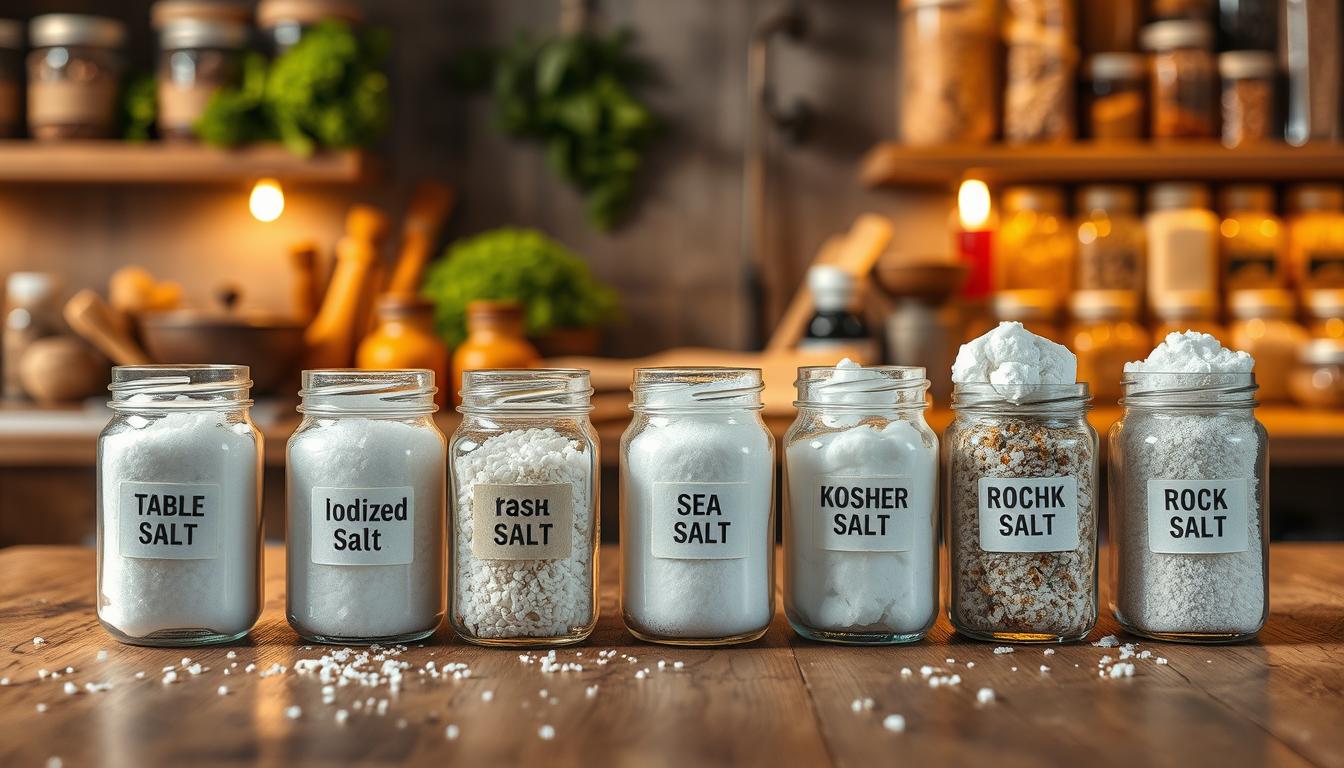
Choosing salts for cooking vs. preserving vs. household utility
Different tasks need different salts. Fine grains are good for measuring, while larger flakes are better for spreading.
- Table salt: fine-grained for everyday cooking and baking, where consistent measuring matters.
- Kosher salt: larger crystals that many cooks like for seasoning meat and controlling salinity by feel.
- Sea salt: varies by brand and grind; often used as a finishing salt or for general cooking when the texture is a plus.
- Rock salt: best for utility tasks like de-icing; it should not be used for food unless it is clearly labeled food-grade.
For preserving, many keep plain salt for brines. This choice supports salt prepper value without overthinking it.
Iodized salt considerations for nutrition planning
Iodized salt provides essential nutrients when options are limited. In disruptions, it helps ensure enough iodine.
Some prefer non-iodized salt for pickles or ferments. But, they keep iodized salt for everyday meals. The goal is to cover all bases, including nutrition.
Packaging, moisture control, and long-term storage best practices
Salt lasts, but clumps when humid. Dry, sealed, and separated storage is key.
- Use moisture-resistant containers with tight lids, and label each one (food-grade vs. utility).
- Keep it off damp concrete floors and away from steamy laundry rooms or stove heat.
- Store rock salt and ice melt apart from cooking salt to prevent mix-ups during stress.
This method keeps salt use clear and reduces waste. It also boosts salt prepper value by keeping each container ready for its task.
Salt Conclusion
Salt has played a big role in history, from coastal pans to mined rock. It has driven trade, settlement, and survival. In the United States, a small container of salt can support meals, health routines, roads, and home upkeep.
Many benefits of salt start in the kitchen. It sharpens flavors, stretches basic staples, and cuts food waste. It also supports preservation through curing and pickling, controlling moisture, and keeping yeast in check.
Outside the kitchen, salt has many uses. It helps with hydration, wound care, and sinus relief during allergy seasons. It also de-ices, softens hard water, and acts as a scrub, deodorizer, and stain remover.
The value of salt for preppers is unmatched. It stores well, costs little, and solves many small problems. For most households, salt history teaches us to stock basics, use them often, and keep enough on hand for changing conditions.