TSA Stays on Duty Despite Government Closure
Explore how the TSA continues to ensure airport security and traveler safety even during a government shutdown. Stay informed on their operations.

Even with the partial government shutdown, TSA checkpoints are open across the United States. The Transportation Security Administration keeps essential officers on duty. They ensure TSA airport security and TSA security measures, even without pay.
Travelers face mixed signals. DHS first suggested pausing expedited screening. Then, they clarified that TSA PreCheck lanes won’t close immediately, per the DHS reversal.
The shutdown debate is about immigration policy. This debate affects airports. If the shutdown lasts, TSA warns of slower screening and longer lines. Daily travel demand will test tsa security measures.
Pressure grows on TSA workers. They might miss pay on time. This could lead to overtime and fatigue issues at busy airports, as seen in coverage of shutdown impacts on airports.
Key Takeaways
- TSA operations continue during the shutdown to protect TSA airport security.
- The Transportation Security Administration is relying on essential personnel to keep checkpoints open.
- DHS said TSA PreCheck is not being shut down immediately after earlier confusion.
- A prolonged funding lapse could bring delays and longer wait times for travelers.
- Missed or delayed pay may add staffing pressure and fatigue risks for TSA officers.
- Core security measures remain the focus while Congress works to restore funding.
What Travelers Need to Know as DHS Walks Back the TSA PreCheck Shutdown Plan
As the partial shutdown continues, travelers watch the tsa checkpoint closely. They wonder if lines will change suddenly. The TSA says the main change is how staff use their time, not if faster screening is available.
DHS initially announced a suspension start time
On Saturday, DHS said TSA PreCheck and Global Entry would pause on Sunday, Feb. 22, at 6 a.m. ET. This news worried travelers, fearing they might face long lines during a busy weekend, as NBC News reported.
DHS later said the expedited lanes were not closing right away
Then, DHS changed its plan. They said TSA PreCheck lanes wouldn’t close right away. This news relieved travelers who rely on quick security checks, such as those early in the morning.
What TSA told travelers in a direct update
A TSA spokesperson explained, “At this time, TSA PreCheck remains operational with no change for the traveling public. As staffing constraints arise, TSA will evaluate on a case-by-case basis and adjust operations.” The key is that TSA might adjust staffing at airports based on who’s available.
Courtesy escorts were suspended so officers can focus
One change is already happening: “Courtesy escorts, such as those for Members of Congress, have been suspended” to focus on screening. DHS Secretary Kristi Noem said TSA and Customs and Border Protection are focusing on the general public. This is a tough but necessary decision during the shutdown, CNBC reported.
If TSA decides to pause again, it could lengthen regular screening lines. It might also limit Global Entry benefits for international travelers who paid for fast entry.
TSA Operations During the Partial Government Shutdown
Even when the government is shut down, the TSA keeps screening passengers. Many TSA officers are considered essential, so they keep working. This helps flights run smoothly, even when things are uncertain.
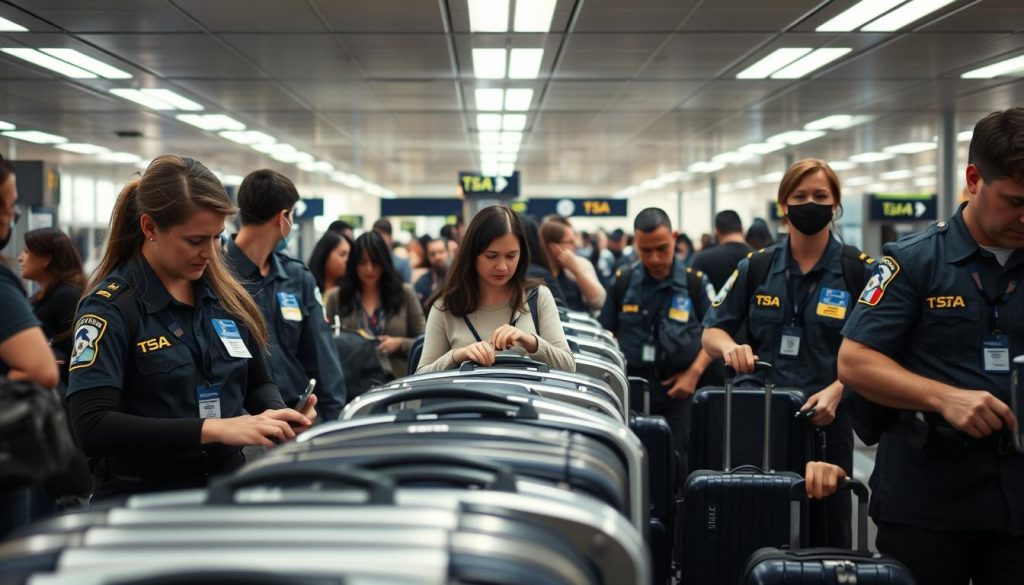
Why are TSA officers working
The TSA’s main goal is to keep everyone safe. So, they keep security checks going at airports. During the shutdown, many officers worked without pay, making things tough for them and for travelers.
For more on this, see Homeland Security updates on TSA PreCheck.
Staffing constraints could lead to delays
When staffing is short, lines at TSA checkpoints can get long. Adam Stahl said delays and cancellations could happen if the shutdown lasts long. Even with open lanes, uneven staffing can cause wait times to change.
Longer airport lines were also linked to TSA officer absences. This made travel days even busier. For more on this, see Network World News.
How TSA may adjust
Instead of a one-size-fits-all plan, TSA will adjust based on each airport’s needs. They might change lane availability or how they manage lines. Their goal is to maintain strong security while keeping lines moving.
With winter weather and flight cancellations, TSA planned to adjust operations. CNBC reported on TSA operations during the shutdown.
What was observed on Feb. 22 at JFK
On Feb. 22, 2026, at JFK Airport in New York City, TSA agents were working. They were separating passengers into PreCheck and non-PreCheck lines. Trusted Traveler Program members were using metal detectors, showing that TSA security was in action.
How TSA Rules and TSA Guidelines Could Affect Airport Security Lines
When there’s not enough staff, airport lines can get really long. Normally, TSA has special lanes for trusted travelers. This helps keep the lines moving smoothly.
If these lanes close or slow down, more people have to go through the regular screening. This makes the lines even longer and more crowded.
TSA PreCheck has more than 20 million members as of 2024. Even a small problem can make a big difference. Travelers who paid for this service might lose their time savings. They’ll have to follow the same rules as everyone else, including removing laptops and dealing with tight bin space.
More on the newer screening changes shows how quickly procedures can evolve under the 2025 TSA requirements, as outlined in the new TSA rules.
Global Entry also faces its own challenges. It has more than 12 million members and costs $120 for five years. It uses kiosks and automation, but staffing and processing issues can cause long waits at customs and passport control.
Across DHS trusted-traveler programs, that’s more than 40 million vetted passengers. Even small changes can affect everyone. In past shutdowns, enrollment issues and longer lines showed how TSA rules can feel different on the ground, even when lanes stayed open.
For passengers, following the rules every day is key. If bags need extra checks for tsa prohibited items, lines get even longer.
- Pack to reduce re-screening: keep liquids within limits and separate messy items that can confuse scanners.
- Check batteries and chargers: some items are restricted in checked bags, and exceptions can vary by route.
- Keep pockets simple to meet tsa guidelines and reduce time at the body scanner.
Travel demand can surge when global entry rules and health policies change. This affects how many people reach U.S. checkpoints at once. Ongoing changes noted in a global travel restrictions update can make tsa requirements feel stricter. This is because lines are longer and officers have less time per traveler.
TSA Conclusion
Travelers can breathe a sigh of relief for now. The TSA Precheck program is open, despite early warnings of a shutdown. The Transportation Security Administration (TSA) assures travelers that there’s no change at checkpoints.
But the TSA warns of potential changes to airport security due to staffing constraints. This could mean different security checks at different times and places. If the shutdown lasts, expect longer lines and possible flight delays.
Some services have already been reduced. For example, courtesy escorts for lawmakers have stopped. This move helps focus TSA officers on essential security tasks.
Outside of government, the U.S. Travel Association is unhappy. They say travelers shouldn’t be caught in political fights. The shutdown’s effects, such as job losses, add to the stress, as this report shows. Yet TSA operations and PreCheck services continue to run smoothly.