Allies Reluctant to Help in Iran Conflict as War Deepens.
Explore how deepening tensions in the Iran Conflict impact international alliances, with nations treading cautiously on involvement and support.
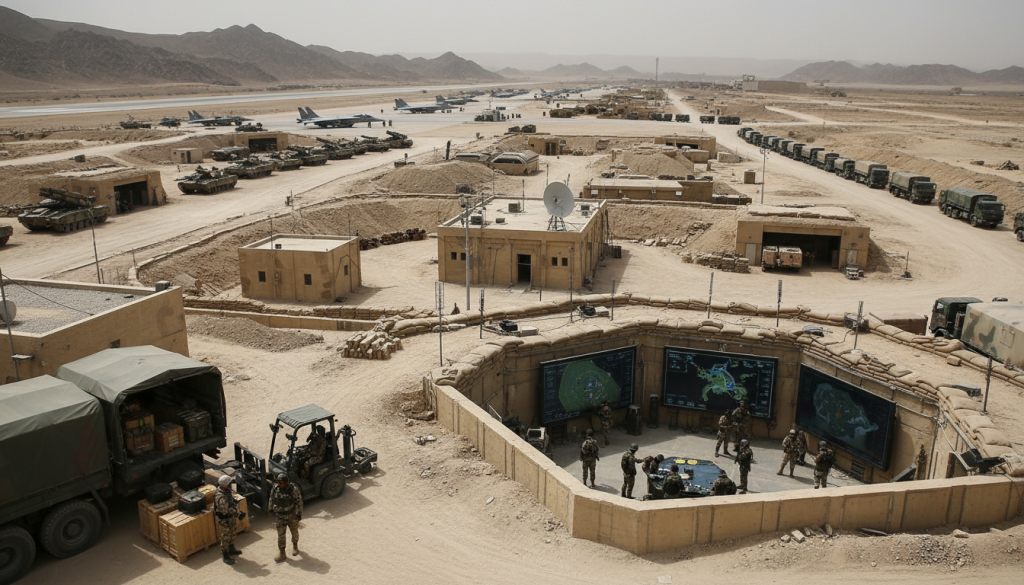
Iran Conflict: Bloomberg reports that the Iran Conflict has entered its third week. President Donald Trump is at the center of the endgame. Each new strike raises the stakes, and the politics at home get louder.
Trump’s reasons for entering the fight have shifted. This makes his foreign policy hard for friends and foes to read. Iran has shown little interest in meeting a U.S.-set finish line. It wants Washington to help stop other fighting in the region, including a push tied to Gaza and diplomacy described in calls for U.S. intervention.
That uncertainty is now an alliance problem, not just a battlefield problem. Trump has gone from saying the war would end soon to pressing European and Gulf partners for help. But many are wary of being pulled deeper into the Iran Conflict. As doubts spread, international relations begin to fray in public, not just in private talks, a dynamic also tracked in reporting on Europe’s caution toward Trump’s approach in the Middle East at the National Post.
The economic backdrop adds pressure. The Strait of Hormuz is described as virtually shut. It is a chokepoint for about a fifth of global oil and large flows of liquefied natural gas, feeding energy fears that spill into foreign policy debates. Several allies have signaled they will not rush ships into the waterway, a stance detailed in coverage of the Hormuz naval hesitation.
Rivals may gain from the disarray. Russia is among those positioned to benefit as U.S. partners hesitate to commit resources and international relations grow more strained across the Middle East and beyond.
Irab Conflict Deepens Key Takeaways
- The Iran Conflict has entered a third week, sharpening focus on President Donald Trump’s next move.
- Shifting U.S. rationales have made foreign policy signals harder for allies to trust.
- Iran has not shown readiness to align with a U.S.-defined end point, complicating diplomacy.
- European and Gulf partners are cautious about deeper involvement, stressing international relations.
- Strait of Hormuz disruption is amplifying political risk through anxiety in the oil and LNG markets.
- Russia stands to benefit as alliances strain and commitments stay limited.
Iran Conflict: Allies Hesitate as Trump Presses for Support
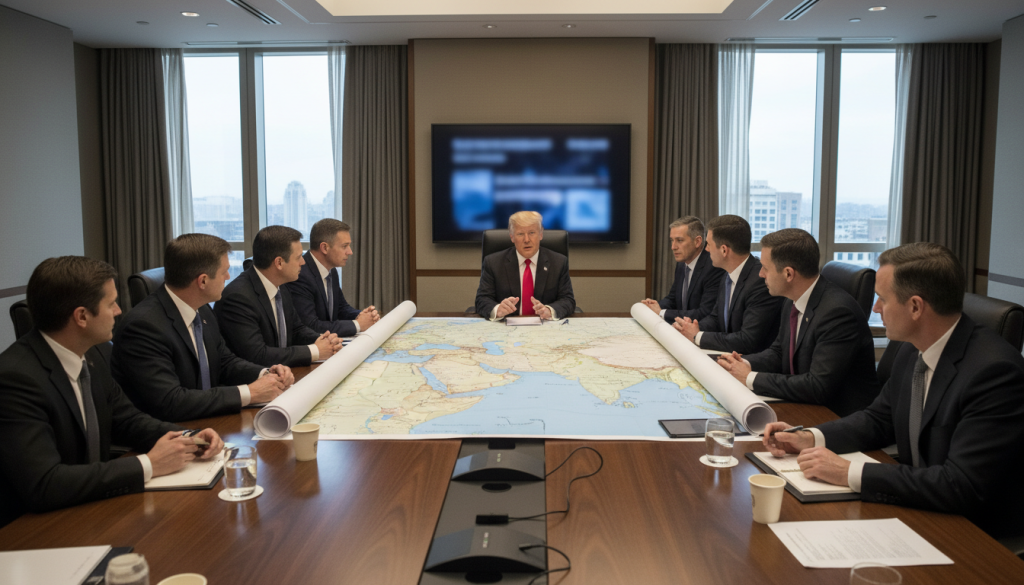
The Iran Conflict has entered its third week, with no end in sight. This uncertainty affects daily decisions in capitals worldwide. Washington is weighing military action against sanctions, while allies wonder about the future.
They debate if a new nuclear deal is possible. This question keeps coming back.
The third week of the war raises pressure on Donald Trump to define the end goals
Donald Trump has faced questions from U.S. partners about his goals. They want to know what “done” means and how it will be measured. There are mixed signals, with a focus on weakening Iran and ending the campaign fast.
Political tensions rise when leaders can’t explain success. This is a big issue.
Some say Trump can set terms and then talk. Others warn of messiness if goals expand. New sanctions could also change the timeline, affecting Iran’s networks.
Calls for European and Gulf backing meet reluctance amid political tensions
European support is uneven, causing splits. These splits affect access, basing rights, and legal debates. Spain wants de-escalation, while France warns of wider risks.
The U.K. has shifted its stance, adding uncertainty. This is detailed in Allied Hesitation.
- Partners want a clearer scope and duration for the mission.
- Many link diplomacy to the future of the nuclear deal.
- Domestic politics make new commitments hard to sell.
In the Gulf, leaders worry about spillover risks. They prefer quiet coordination over loud endorsements, due to high political tensions.
Russia and other rivals benefit as international relations grow more strained
As relations strain, rivals seek market and diplomatic openings. Russia points to NATO divisions, while China watches U.S. pressure. Reports of tariff threats and unrest inside Iran add uncertainty, as seen in tariff pressure and protests.
This mix of war, sanctions, and competition makes finding a way out hard. It also makes a nuclear deal harder to achieve, as each step changes the balance of power.
Middle East Regional Security Risks Rise as Military Action Expands
The Iran Conflict is making the Middle East more unstable. Borders are tightening, alert levels are rising, and foreign policy is changing fast. This leaves little room for mistakes.
Strait of Hormuz pressure and energy market shock amplify global stakes
The Strait of Hormuz is at the heart of the conflict. Shipping changes by the hour, affecting fuel costs and household budgets in the U.S.
Energy traders are worried about disruptions. This worry leads to political pressure at home. Reports and analysis on how a war with Iran show how fast insurance costs and delays can tighten supply lines.
Attacks in Gulf states disrupt aviation and oil infrastructure
Attacks and counterattacks in the Middle East are raising risks around airports, ports, and pipelines. Even small strikes can cause flight diversions, slow cargo, and increase protection costs.
Gulf partners face a tough choice. They must support wider goals while avoiding reprisals from the Iran Conflict. They aim to limit spillover without seeming passive.
EU weighs naval options while China declines to commit
European leaders are discussing naval patrols to secure routes. But unity is hard due to domestic politics. Any new naval step raises questions about mission scope and sustainability.
China prefers stability in energy flows without taking on a security role. This leaves familiar players to bear the burden, making coordination harder under stress.
Israel’s campaign and spillover conflicts deepen humanitarian strain
Israel’s strikes and Iranian responses have widened the risk map. Assessments like this expert briefing on the Iran war show how missiles, drones, and naval assets can be used for retaliation.
Civilians are facing immediate costs, from disrupted services to displacement. As military action continues, fears about escalation grow, including nuclear threats discussed in uncovering the threat of nuclear war.
- Shipping risk drives higher prices and tighter supply chains.
- Infrastructure threats push airlines and ports into costly detours and delays.
- Diplomatic friction complicates joint planning and shared messaging.
- Humanitarian stress rises as essential services become less reliable.
Irab Conflict Deepens Conclusion
The Iran Conflict is now in its third week, and President Donald Trump is facing growing pressure. He needs to clearly state his goals so allies can understand what success means. His changing words have made it tough for partners to know what to expect.
Without clear goals, tensions between countries are rising. This is because of new warnings and old sanctions. It’s making international relations more strained.
In Europe and the Gulf, leaders are being cautious. They don’t want to send ships or planes to protect the Strait of Hormuz. The mission and risks are unclear, making them hesitant.
Japan has also expressed its concerns, saying there are “high hurdles” to overcome. Few are willing to risk their resources on an uncertain effort. This could weaken regional security.
The situation on the ground is already causing problems for alliances. After missiles were fired at Qatar, Doha condemned the attack. It closed its skies and defended itself, showing how quickly things can escalate.
This event highlights the risks of retaliation, trade disruptions, and sanctions. It shows why Gulf leaders are careful with their decisions.
The future may depend on oil prices and secret talks. If oil stays above $100, US gasoline prices will keep rising. This will add to the pressure.
At the same time, backchannel diplomacy is underway. Iran wants compensation and guarantees. This could decide whether the US declares victory, seeks a deal, or continues its current path.
Rivals like Russia are benefiting from the ongoing tensions. This is detailed in Brookings’ analysis of the risks after the strike.