Iran Peace Deal Near Completion as Strait of Hormuz Set to Reopen.
Iran Peace Deal is almost finalized, paving the way for the reopening of the Strait of Hormuz, enhancing Middle East stability and economic prospects.

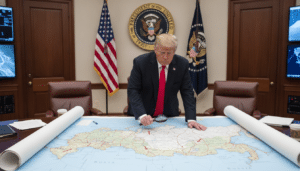
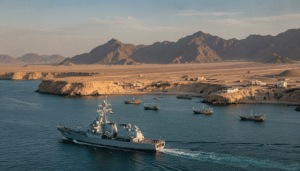
President Donald Trump said Saturday the Iran Peace Deal is “largely negotiated.” He mentioned a plan to re-open the Strait of Hormuz after talks with Israel and U.S.-aligned partners. The deal is almost done, but some final details are being worked out. The U.S Defends Three Warships in the Strait of Hormuz. believe a deal could ease these issues and support stability in the Middle East.
Iran has been cautious about the talks. Iran’s Fars News Agency said the Strait would remain under Iranian control. U.S. officials say a blockade has redirected about 100 commercial ships, but allows humanitarian aid.
This blockade is part of the diplomatic efforts. The situation is tense, with Washington considering new strikes. More information on the control and shipping issues can be found in the Strait of Hormuz control section.
Iran Peace Deal: Key Notes
- Trump says the Iran Peace Deal is largely negotiated, with final details yet to be decided.
- The deal is almost complete, but there’s a dispute over shipping access.
- Iran suggests the Strait of Hormuz will stay under its control, not open to all.
- The U.S. blockade has redirected about 100 commercial ships, affecting trade.
- The Strait is a major route for oil and gas, making energy markets sensitive.
- Success in the talks is seen as a test for stability and global commerce.
Iran Peace Deal: What Trump Says Is “Largely Negotiated”
Former President Donald Trump said the Iran Peace Deal is “largely negotiated.” He sees it as almost done but not quite there yet. This news sparked a lot of talk in Washington about what this deal could mean for the region and U.S. interests.
AP dateline and key statement from Trump
The AP report came from ISLAMABAD, Pakistan (AP). It put the news in a bigger regional context. Trump said “Final aspects and details of the Deal are currently being discussed, and will be announced shortly,” but didn’t give any details on timing or terms. U.S Fights To Open Strait of Hormuz From Iranian Blockade.
Who was involved in the calls and why it matters for international relations
Trump spoke with leaders from Saudi Arabia, the United Arab Emirates, Qatar, Pakistan, Turkey, Egypt, Jordan, and Bahrain, as well as with Israel. This list is important because it shows the deal will be shaped by Gulf security needs, U.S. partnerships, and Israel’s stance.
He also had a good talk with Israeli Prime Minister Benjamin Netanyahu. This was after reports that Netanyahu had asked the U.S. to go to war. This reminds us that phone calls and public statements can set expectations before a deal is officially announced.
What the proposed diplomatic agreement is being called
Trump called the draft a “Memorandum of Understanding” tied to “PEACE.” He said it needs to be finalized by the U.S., Iran, and other countries involved. Iran’s state media called it a “framework agreement,” suggesting a process in which major points come first, and details follow.
- The U.S. framing points to a near-ready diplomatic agreement that needs final wording.
- Iran’s framing suggests a structure for continued negotiations over a defined period.
Iran Peace Deal: What’s not clearly included yet
The AP report said Trump didn’t mention Iran’s nuclear program or highly enriched uranium. This leaves a key part of the security debate unaddressed in public. Iran wants to discuss nuclear matters later, which could shape how allies and critics see the deal.
Iran’s Foreign Ministry spokesperson Esmail Baghaei said nuclear issues are not part of the current negotiations. He stressed an effort to end the war “on all fronts.” The AP report noted no immediate comment from Iran or Israel at the time of Trump’s remarks, keeping the public outline of any peace deal with Iran incomplete.
Strait of Hormuz Re-Open Plan and Global Economic Impact
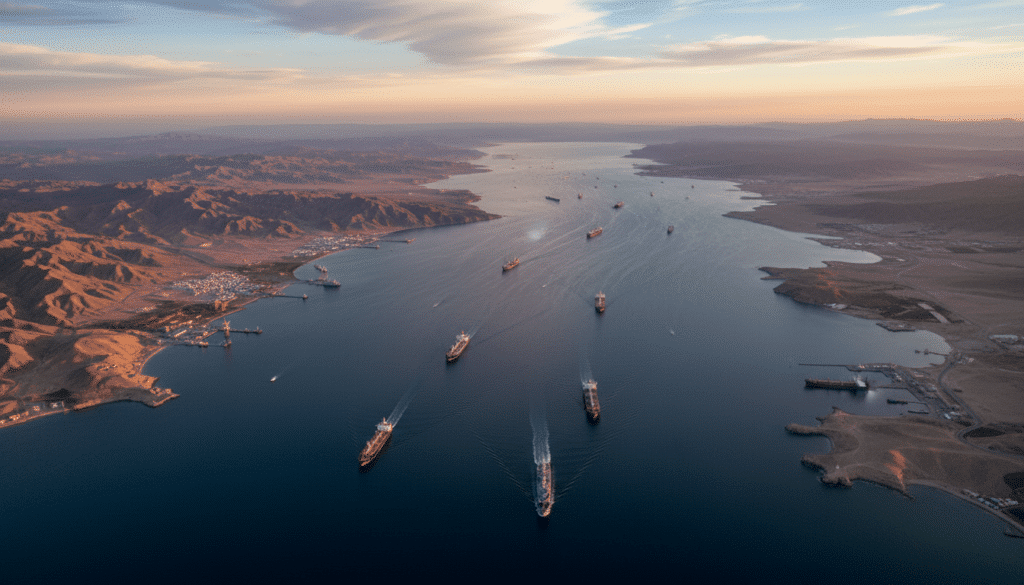
Diplomats say talks are almost finished. This shift focuses on maritime rules. The Strait of Hormuz is key because it carries energy cargo and supplies through a narrow passage.
Re-opening the Strait would calm markets and reduce sea risks. Policymakers are watching for new conflicts.
What would re-opening the Strait change
Re-opening the Strait would quickly change oil prices. About 20% of global oil shipments go through it. The shipping lanes are only two miles wide.
Analysts warn of sharp price jumps, up to 100% in the first weeks. Even if tankers move again, fuel costs and credit stress could rise.
Reported deal components tied to shipping and ports
A regional official said the deal includes an end to the war and the re-opening of the Strait. The U.S. would also end its blockade of Iran’s ports. These steps aim to restore predictable routes and lower emergency costs.
- Shipping insurance premiums could drop as risk ratings fall.
- Rerouting would become less common, saving time and fuel.
- Supply chains for critical goods could stabilize with regular schedules.
Timeline and negotiation track described by officials
Even with close language, officials warn of last-minute disputes. Iran’s spokesperson Esmaeil Baghaei talks about a framework-first approach. Details would be negotiated in 30 to 60 days.
Reporting mentions shuttle efforts, including Pakistan’s army chief’s visit to Tehran and Qatar’s support for mediation. The global economic impact is linked to these timelines.
Sanctions, regional spillover, and allied dynamics
Baghaei said lifting sanctions on Tehran is part of the deal. He also mentioned ending the war “on all fronts,” including Lebanon. Hezbollah’s Al-Manar TV reported on Iranian Foreign Minister Abbas Araghchi’s messages, showing that Tehran won’t abandon its allies.
The conflict backdrop is heavy. Strikes and retaliation have shaken Gulf security. Iran’s parliament speaker, Mohammad Bagher Qalibaf, warned of harsher outcomes if attacks resume.
Analysts note Strategic Petroleum Reserve releases can help, but they have limits. More on global energy market disruption scenarios is in this article.
Even if the Strait re-opens, uncertainty won’t disappear. Markets consider enriched uranium stockpiles, claims of missile rebuilding, and proxy dynamics. Officials say the path is nearly complete, but the next steps are uncertain.
Iran Peace Deal Conclusion
The Iran Peace Deal is currently in a delicate balance between hope and caution. Donald Trump claims it’s “largely negotiated,” but final details are missing. He promises to announce it soon. Iran, on the other hand, sees it as a draft that needs further talks and agreement from all parties.
The first test is whether the Strait of Hormuz can re-open safely. If it does, the world could see quick changes in energy prices and insurance costs. A successful deal could also ease tensions in the region and help maintain stability.
There are big questions about what the deal says about Iran’s nuclear program and uranium. Iranian officials say nuclear issues are not part of this deal. Yet, others believe there will be nuclear talks later. For more on the changes and their effects, see this explainer on the Trump-Iran deal.
Experts warn that last-minute issues could stop the deal. The demands for sanctions, Lebanon, Hezbollah, and a fragile ceasefire are key. Until everything is settled and the Strait of Hormuz is open, the deal’s future is uncertain. Its impact on the global economy is significant.