Iran leaks false details of the US-Iranian peace deal
Iranian Peace deal leaks point to discrepancies and misinformation, raising questions about diplomatic relations and future geopolitical negotiations in the region.

New claims about an Iranian peace deal are causing doubt in Washington and around the world. The conflict started with U.S. and Israeli attacks on Iran on February 28. Iran then hit back at Israel and U.S.-backed Gulf states. Other Iran News: The Iran War Overview: What You Need to Know Today. Leaked “terms” are spreading quickly, even though both sides say talks are ongoing.
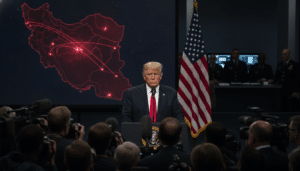
Iranian state-linked outlets shared what they claimed were the outlines of a peace deal. U.S. President Donald Trump denied these reports, saying they were not part of any agreement. He called Iran “dishonorable” and urged them to “get their act together and FAST!”
Trump also claimed he had canceled “scheduled attacks” on Iran because of a settlement. He hinted that a signing could happen soon. For U.S. readers, the stakes are high: Iran closed the Strait of Hormuz, causing oil price worries and shipping delays.
Iranian Peace Deal Key Notes
- Iranian outlets circulated alleged Iranian peace deal terms, but the U.S. says the claims are false.
- Donald Trump said the leak “bears[s] no relation to the truth” and criticized Tehran’s conduct in talks.
- The dispute comes after the February 28 strikes and retaliation that widened the conflict across the region.
- Oil and shipping risks rose after Iran effectively closed the Strait of Hormuz.
- The competing narratives are influencing geopolitical negotiations and international relations with Iran.
- Public talk of an Iranian peace deal is accelerating, even as the actual terms remain contested.
What sparked the leak claims, and why the reported terms don’t match
The Iran nuclear deal has become a battleground for competing leaks. This has led to a mix of claims about what was said in private and what each side will accept in war and publicly.
Many of the disputed details come from anonymous sources and secret talks. A detailed look at what we know and what’s missing is in this emerging deal brief. Here, timelines and reported conditions don’t always match up.
Trump rejects Iranian media reports as untrue.
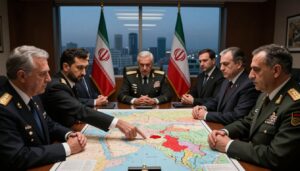
Iran’s Mehr News Agency published what it called terms of a possible deal. President Donald Trump said these reports were not part of the talks as his team understood them. He accused Tehran of leaking to shape the narrative.
This pushback widened the gap between public messages and secret talks. It also raised a question: which parts are bargaining positions, and which are presented as facts? Iran Ceasefire Negotiations Collapse After Ship Attack.
Iranian outlets publish purported terms tied to Tehran’s long-stated demands.
Iranian reports described terms that mostly matched Tehran’s public requests. The list focused on economic relief and international guarantees.
- Lifting of a U.S. naval blockade
- At least $300 billion (£223 billion) for damage tied to U.S. and Israeli strikes
- Final terms endorsed by a UN Security Council resolution
- A deal focused on enriched materials, enrichment activities, sanctions relief, and a plan to rebuild Iran’s economy
Iranian outlets said final talks wouldn’t start until certain conditions were met. These included partial access to frozen funds, the suspension of oil sanctions, and an end to the blockade. These claims clash with U.S. officials’ views on leverage in the deal.
Conflicting expectations: sanctions relief, frozen assets, and the Strait of Hormuz
The biggest disagreement is about the order of steps. Iranian reports emphasized early steps on money and maritime pressure. U.S. messaging focused on verification first and benefits later.
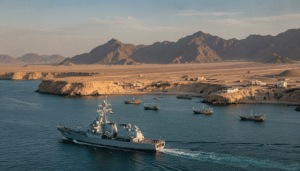
The Strait of Hormuz is a key symbol in the claims of the leak. It affects global shipping and energy markets. The main dispute is whether sanctions relief is an opening bid or the reward at the end of talks.
U.S. officials emphasize dismantling Iran’s nuclear program and no upfront cash
American officials have described a tougher framework than the one reported by Iranian media. A senior U.S. official said nuclear material must be destroyed and removed. Iran’s nuclear program must be dismantled before any relief.
Vice President JD Vance criticized parts of the reporting as “a couple of bizarre things.” He stressed that Iran would not get cash for signing or showing up. A deal would offer economic benefits only after compliance, not as an upfront payment.
Iranian Peace deal negotiations: ceasefire pressure, mediators, and nuclear stakes
A shaky ceasefire is in place, and talks are moving quickly but are hard to confirm. For U.S. readers, the main question is how these talks might affect shipping safety, regional stability, and relations with Iran.
Araghchi says a deal has “never been closer” and urges media to avoid speculation.
Iran’s Foreign Minister Seyed Abbas Araghchi is optimistic, saying a deal with the U.S. has “never been closer.” He asks the media to stop speculating while the sides work out the details.
President Donald Trump echoed Araghchi’s optimism by reposting his statement. Yet, Trump also rejected some reported details from Iranian media. This adds to the tension in a process that needs clear signals and tough negotiations.
Pakistan’s mediation role and claims of a finalized draft text
Pakistan is seen as a key player. Prime Minister Shehbaz Sharif says he has been mediating and that a final draft text has been agreed upon. He mentions work is underway on the next steps.
Sharif also warns of an “incessant misinformation campaign” aimed at stopping progress. This pattern shows how public messages are used as leverage in talks with Iran.
How the conflict escalated after the February 28 strikes and continued with intermittent fire
The urgency started with U.S. and Israeli strikes on February 28. Iran retaliated against Israel and U.S.-aligned Gulf states. Tehran also blocked the Strait of Hormuz, causing worries about energy prices and maritime safety.
Even after an April ceasefire, there have been ongoing skirmishes, including two this week. These exchanges make it harder for negotiators to find common ground.
Key flashpoints shaping a broader Middle East peace agreement and global security accord.
Israel is not part of these talks, which Pakistan leads. They aim to extend the ceasefire and open the door for nuclear talks. Western countries believe Iran wants a nuclear weapon, but Iran denies it, saying its program is for electricity and research.
- Security in the Hormuz corridor, where any disruption can ripple through global markets
- Nuclear expectations, including limits, inspections, and enforcement pathways
- Iran’s ties with proxy groups, which can shift the risk picture overnight
If managed well, these issues could lead to a Middle East peace agreement and a global security accord. For now, the process is marked by tight timelines, disputed claims, and high-stakes negotiations.
Iranian Peace Deal Conclusion
The biggest story is not just about the chance of an Iranian peace deal. It’s also about who controls the facts. Iranian outlets shared claimed terms, while Donald Trump said they were false. This has turned the talks into a battle of credibility.
Iran’s leaders say a peace deal is possible and ask the press to stop speculating. U.S. officials, on the other hand, list strict demands. They want nuclear dismantlement, no upfront cash, and limits on Iran’s support for armed groups.
This fight over leaks is critical because it could stop the diplomatic process. There are big gaps in sanctions relief and frozen assets. Strikes after the April ceasefire also raise the risk of miscalculation.
For now, the success of these talks depends on both sides agreeing on real terms. They need to agree on nuclear rules, the timing of money, and a regional security plan. Until then, every claim about a peace deal will be checked against the competing stories.