Uber Charges Explained: What to Expect on Your Bank Statements
Discover how Uber charges work, including fees, fare estimators, and pricing breakdowns, to understand what to expect on your bank statements.

Uber Charges Explained: Many riders in the United States take a quick trip that costs about $13 or $20. Then, they open their banking app and freeze. Instead of one line, they see two or three. These Uber Charges can appear to be overbilling, even when the final total is correct.
The confusion often starts with labels such as “Uber” and “Uber Help.” Banks also mention a temporary authorization hold. In simple terms, these charges may appear while the payment is in progress. Consumer advocates say many extra lines are pending checks to confirm funds. They usually drop off once the charge settles.
But riders report that pending items can linger longer than expected. They might even appear more than once, which can feel like a duplicate. This guide focuses on a quick Uber price analysis that matches what riders see in the Uber app. It also helps understand Uber fees by showing how to sort pending vs. posted activity and compare it to trip receipts.
Memberships can add another twist. Uber One is a paid plan at $9.99 per month, with an annual option of $99.99. Its benefits include credits on eligible rides and 6% back on rides. Riders may see adjustments that change the net cost after a trip, which can make statement lines look mismatched at first glance.
If a charge looks wrong, riders should cross-check the receipt inside the Uber app. They should also watch whether a pending hold disappears. If something does not add up, it may be time to contact Uber Support or a bank to rule out fraud. The goal is clarity, not guesswork, so riders can tell the difference between normal processing and a real issue.
Uber Charges Explained: Key Takeaways
- A single ride can appear as multiple Uber Charges before the final total posts.
- Common labels include “Uber,” “Uber Help,” and a temporary bank authorization hold.
- Many Uber charges are pending authorizations that often drop off after settlement.
- Pending items can linger or repeat, which is why riders sometimes suspect duplicates.
- Basic Uber price analysis starts by comparing bank activity with receipts in the Uber app.
- Understanding Uber fees may require checking Uber One credits or 6% back adjustments on eligible rides.
Why Riders See Multiple Uber Charges on a Single Trip
Riders often see more than one charge for a single ride when they check their bank apps. These extra charges can seem like duplicates, even though they will eventually settle to one total. Looking closely at the details helps better understand the fees.
Common bank statement labels riders report seeing
Riders see labels like “Uber” and “Uber Help” on their statements. Banks may list them slightly differently. This can make a $13 or $20 ride seem more expensive when multiple lines are involved.
Some riders notice small differences between what they expected and what they see later. This adds to the confusion about Uber Charges. A report on why fares can vary has gotten a lot of attention.
What a temporary authorization hold is and why it happens
A temporary authorization hold is a pending check that confirms funds are available. It may appear as an extra charge until the final transaction posts. This is why riders might think they have multiple Uber Charges for one trip.
Riders also report that pending holds can take longer to disappear. They might even see them more than once. This can cause worries about billing errors or fraud until the final fare posts.
- They can compare the bank’s posted transaction to the Uber receipt in the app.
- They can treat pending holds differently from completed charges while the trip settles.
- If a posted duplicate appears, they can contact Uber Support and also flag it with the bank.
Why do debit card users notice the problem more?
Debit card users feel the impact faster because a hold can reduce their balance right away. Even if the money is later released, it can feel like the charges were taken twice.
Other account activity can also add lines that change the “net” look of a ride. For example, Uber One can create additional statement movement through credits or adjustments on eligible trips; the membership is $9.99 per month or $99.99 annually, and it includes 6% back on rides.
When money is tight, even a short-lived hold can be stressful. The safest habit is to track which entries are pending versus finalized. Keeping receipts handy helps understand Uber fees. For a broader budgeting context, some consumer coverage also points readers to policy and payment-planning topics, such as changes to student loan repayment.
Uber Charges: How Uber Pricing Works and What Each Line Item Can Mean
Uber Charges can be confusing on your bank statement. The app might show one price, but your bank shows another. Checking the in-app receipt is the best way to see what you really paid.
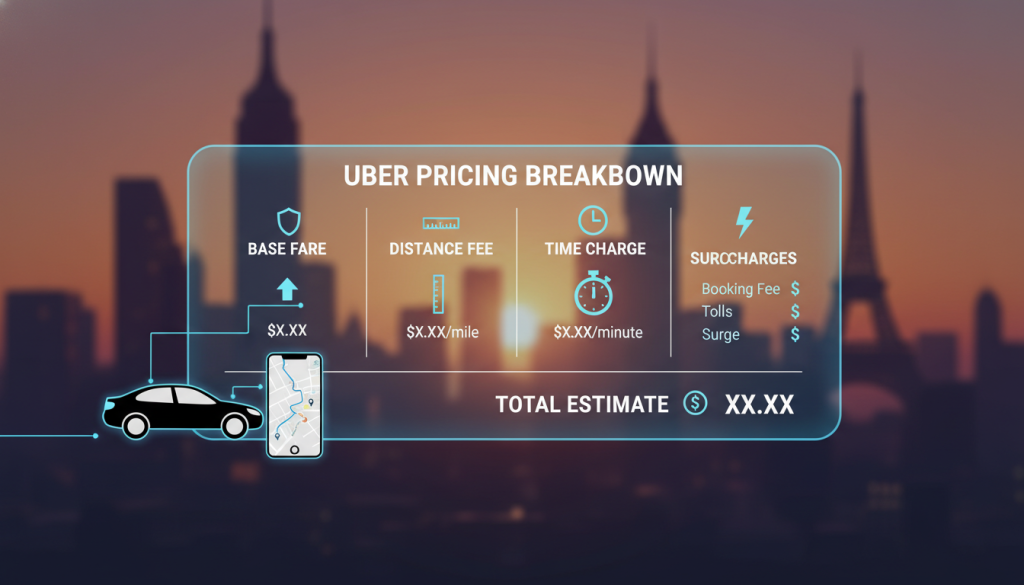
How Uber pricing works from estimate to final charge
Uber pricing starts with an estimate based on the route and demand. This estimate might show a pending authorization on your card. After the trip, a final charge replaces it.
There can be more than one number because the total can change. Tips and fare adjustments can add extra lines. Always compare the bank activity to the receipt, not the first pending amount.
Using the Uber fare estimator and Uber rate calculator to set expectations
Before you ride, use the Uber fare estimator to get a realistic price range. The Uber rate and cost calculators can also help plan your budget. If you expect $13–$20, a larger hold can seem scary, even if it settles correctly.
Keep in mind the bigger picture, like the cost of living in the U.S. For a quick look, read the cost-of-living projections and then check your receipt.
Uber price breakdown basics and understanding Uber fees
The receipt breaks down Uber prices into core fare pieces and add-ons. You might see adjustments after the ride. This is why Uber Charges can seem like duplicates.
Membership can also affect what you see. Uber One costs $9.99 a month or $99.99 a year. It includes credits and 6% back on rides, making the gross and net costs different.
Uber surge pricing explained and how it can affect bank statement totals
Uber surge pricing means prices go up when demand is high. The final total can be higher than the estimate. This can make it seem like you were charged twice.
Waiting for the final amount and matching it to the receipt can clear up confusion. If your phone is acting up, fix it first. A guide on battery replacement can help. Regularly reviewing receipts makes it easier to understand Uber prices.
Uber Charges Explained: Conclusion
For many U.S. riders, seeing two or three lines for a single Uber trip does not always indicate double-billing. It’s often a temporary hold followed by a change to a final fare. This is why a $13 or $20 ride might look bigger on your bank statement at first.
To figure out Uber charges, check if each entry is pending or finalized. Match the total on your bank statement to the Uber receipt in the app. If you spot a duplicate or fraud, contact Uber Support first. Then, reach out to your bank if a transaction is wrong or unauthorized.
Debit card users might see these holds right away, as their available balance drops. It’s wise to watch pending activity and keep some extra money for daily needs. Also, reviewing bank account beneficiary steps can help keep your finances in order.
Knowing about Uber fees means remembering that memberships can affect your statement. Uber One members might see credits or 6% back on rides. This can add extra lines, even for simple trips. The best way to understand the real cost is to compare receipts to posted totals.