The Iran peace deal has oil prices declining and the stock market soaring
The Iran peace deal is causing oil prices to decline and the stock market to soar, signaling new opportunities in international relations and economic stability.

Iran peace deal: Oil prices dropped, and U.S. stocks rose after rumors of a peace deal with Iran. For American investors, it was all about shipping and supply, not speeches. Iran’s location next to the Strait of Hormuz makes any changes in international relations quickly affect energy markets. US-Iran Peace Deal Rumors Send Stocks Up $500 Billion as Oil Price Crashes.
The news started with talk of a near-final U.S.-Iran draft on May 21, with Pakistan acting as a broker. Traders saw it as a sign of peace efforts, even without a signed deal. This brought focus back to shipping fears in the Strait of.
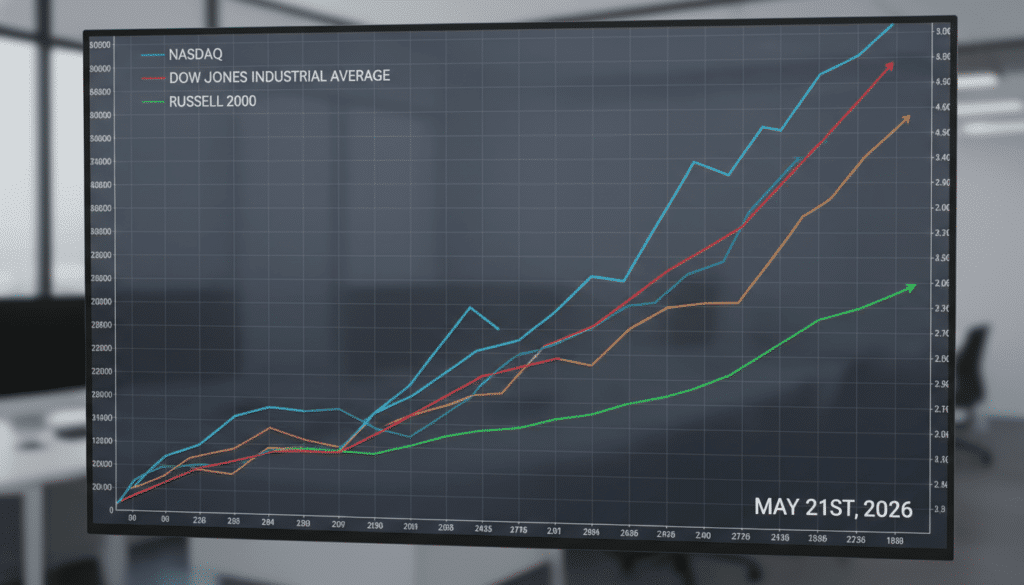
According to Bull Theory, about $500 billion was added to U.S. equities in about 30 minutes as the news spread. At the same time, WTI crude fell by about 3% as the risk premium eased. Bitcoin (BTC) also rose, indicating a risk-on mood.
But the market was reacting to a leaked document, not a final Iran peace deal. Doubts lingered about the deal’s real status and whether it would hold. This tension is key in international relations and conflict resolution, shaping what’s next.
Some traders also looked at other ceasefire signals for clues. For example, a reported ceasefire update reinforced the sense that diplomacy could reduce risk.
Key Notes
- Reports of an Iran peace deal pushed oil down and lifted U.S. stocks.
- The catalyst was a near-final draft said to be circulating on May 21.
- Commentary tied to Bull Theory pegged the equity move at about $500 billion in 30 minutes.
- WTI crude fell about 3% as the conflict premium unwound.
- Bitcoin rose slightly as risk-on trading returned.
- Uncertainty remains because the market is pricing a leak, not a signed deal, in international relations and conflict resolution.
Market reaction: oil prices slide while U.S. stocks surge on diplomatic negotiations
On May 21, U.S. markets quickly reacted to news of a near-final U.S.-Iran draft. This draft was reportedly brokered by Pakistan. Traders saw this as a shift in diplomatic talks and moved to a riskier mood.
This change also highlighted the importance of diplomatic efforts and political cooperation in the region.
Reports of a near-final draft add roughly $500 billion to U.S. equities
In about 30 minutes, U.S. stocks gained around $500 billion in value. This was due to buyers rushing into major indexes. The S&P 500 (SPX) was closely watched, with a TradingView chart labeled S&P500 (SPX) Performance After Draft Deal Leak.
Investors saw this quick move as a sign of real political cooperation, not just talk.
Some desks linked the rally to a broader narrative of a Middle East reset. This is similar to how markets react to major diplomatic moves, such as U.S.-Saudi investment headlines. The key point was clear: diplomatic talks can change risk prices in one session.
WTI crude drops toward $96 as the conflict premium unwinds
Oil markets told a different story. WTI crude fell to $96.23, down almost 3%, as the conflict premium unwound. This had pushed crude above $100 per barrel due to fear.
After the drop, WTI showed a small recovery as bulls bought on the dip. $96.23 was mentioned as the price at this writing. Energy traders were watching to see whether diplomatic efforts would hold up, as the next headline could swing prices again.
Risk-on spillover: Bitcoin edges higher on ceasefire optimism
Crypto markets followed the risk-on trend, with Bitcoin rising on ceasefire hopes. Traders noted a similar pattern to Bitcoin’s April bounce during a Trump pause on strikes in Iran. Some also mentioned a “Project Freedom” oil-reaction setup that briefly pushed BTC toward $80,000.
Across assets, the day’s playbook was consistent:
- Diplomatic negotiations pushed investors toward stocks and higher-beta trades.
- Crude prices eased as de-escalation talks reduced the need to pay for protection.
- Political cooperation became a market variable, not just a policy goal.
Iran peace deal details and what they could mean for Middle East stability and global security
Traders are closely watching the details, not just the headlines. Al Arabiya shared leaked draft terms. The Kobeissi Letter and Solid Intel also mentioned IRNA’s similar language. The big question is if this outline will lead to a solid nuclear agreement. This agreement could help stabilize the Middle East without increasing global security risks.
Leaked terms point to a ceasefire and freedom of navigation in the Strait of Hormuz
The draft calls for an immediate ceasefire and free passage through the Strait of Hormuz. It also mentions avoiding attacks on infrastructure. If these terms stick, shipping could become more predictable. This could lead to a calmer risk premium and better stability in the Middle East.
Outside the talks, Iran is pushing for Donald Trump’s help in Israel-Gaza talks. They believe U.S. diplomacy can help stabilize the region, according to ceasefire reporting. This broader effort provides context for how a nuclear agreement could be seen as part of a broader security package.
Sanctions relief tied to compliance under a joint monitoring mechanism
A key detail is the joint monitoring mechanism for the Persian Gulf. This system aims to verify compliance before easing sanctions. The draft suggests sanctions relief will be gradual, based on these checks.
The plan includes talks on unresolved issues within seven days. This timeline suggests a step-by-step approach, not a quick fix. U.S. debates on revenue denial and shipping risks have been ongoing. The leaked terms seem to draw on these discussions while aiming to maintain global security.
Diplomatic efforts and political cooperation: Pakistan’s reported broker role
Pakistan is seen as a key broker, thanks to its regional connections. Field Marshal Asim Munir visited Tehran on May 21, after talks in Islamabad earlier this spring. This back-and-forth could influence the terms of a nuclear agreement and broader stability efforts.
Open questions: enforcement, IRGC discipline, and whether talks are truly in final stages
Many questions remain, like enforcement details and sanctions sequencing. It’s also unclear if talks are really nearing a conclusion. Reports suggest President Masoud Pezeshkian is trying to control the Islamic Revolutionary Guard Corps (IRGC). But IRGC discipline is seen as a variable that could challenge any ceasefire and global security.
Some analysts caution against mixed messages and the risk of a “peace trade or propaganda push.” Even if Hormuz transit normalizes, U.S. gasoline relief may take months. Rystad Energy and the Federal Reserve have warned of delays in tanker networks and insurance adjustments.
Donald Trump believes pump prices could drop below pre-conflict levels once fighting stops. Yet, others highlight logistical and compliance hurdles that could slow the agreement’s effects. This situation mirrors other negotiations that seemed close but ultimately required more time to finalize, including coverage of another peace deal’s journey. The outcome here depends on whether an announcement comes soon or if talks stall, affecting Middle East stability and global security.
Iran Peace Deal Conclusion
News of progress toward an Iran peace deal sparked a quick shift in global markets. U.S. stocks saw a $500 billion jump, while WTI crude prices moved toward the mid-$90s. Bitcoin also rose as traders welcomed the calm news from the region.
For Americans, the next challenge is clear: Will the diplomatic efforts withstand scrutiny and be enforced? Investors are keen to see steps toward sanctions and evidence that shipping lanes in the Strait of Hormuz remain open. In international relations, credibility is as important as the deal itself, affecting inflation and market mood.
More details on the Iran peace deal and its implications for U.S. policy can be found in What You Need to Know. Even with successful negotiations and smoother shipping, gas prices might not fall immediately. Rystad Energy and the Federal Reserve warn that relief could take 6–8 weeks for tankers to reposition and 2–5 weeks for insurers and shipowners to adjust terms.
This delay means the next headlines could impact markets more than they do wallets. If the Iran peace deal is formally supported and holds, WTI prices and stock markets might stay steady. But if it fails, international relations could tighten, and the risk premium could surge back into energy and stocks.