Tonsil Stones: Causes, Symptoms, and Treatment
Discover the causes, symptoms, and effective treatments for tonsil stones. Learn how to prevent these pesky calcifications and improve your oral health.
#image_title
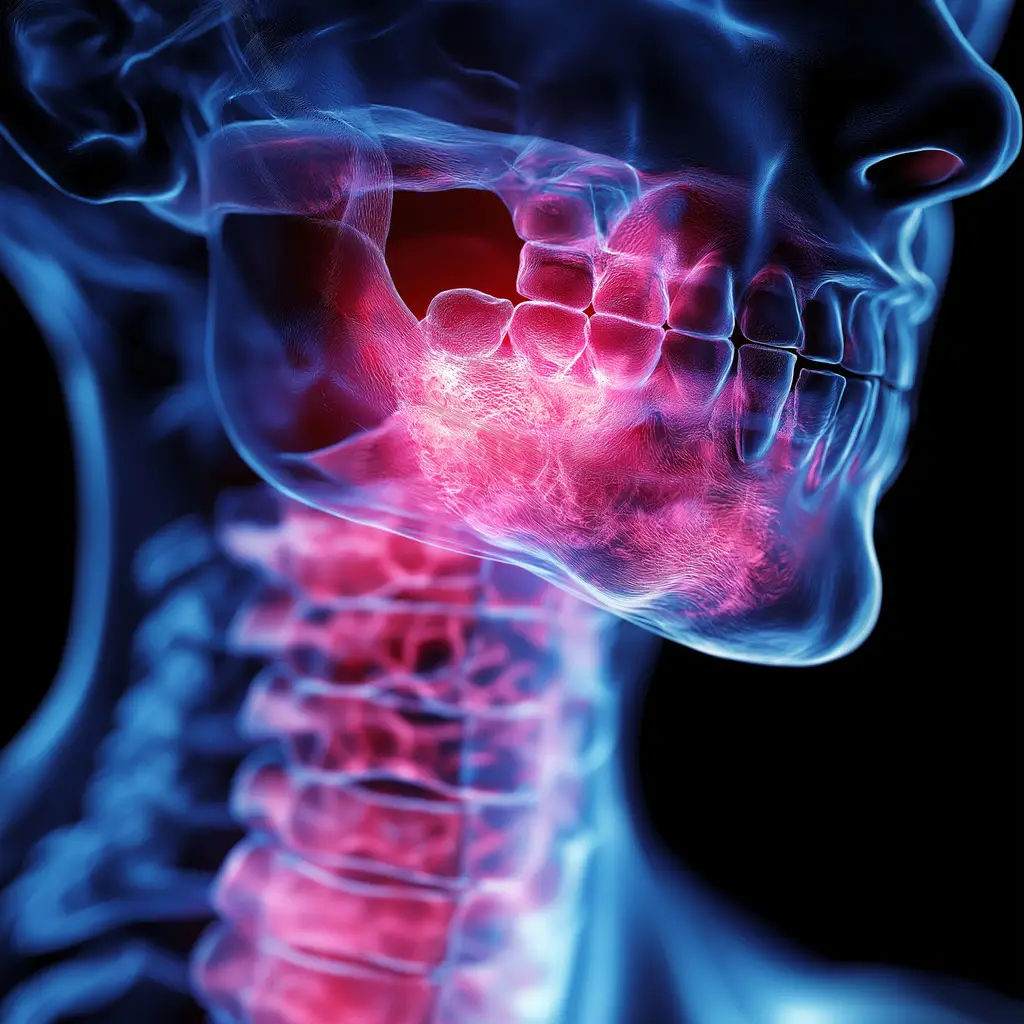
Tonsil stones, also known as tonsilloliths or tonsil calculi, are small, pebble-like formations that occur in the tonsils. These tiny lumps can cause discomfort and lead to halitosis, a common concern for many. While tonsil stones are more prevalent in adults than in children, they can affect people of all ages.
These calcified deposits form when debris, such as food particles and dead cells, gets trapped in the crevices of the tonsils. Over time, this debris hardens and calcifies, resulting in tonsil stones. Individuals with larger tonsils or those prone to chronic tonsillitis may be at a higher risk of developing these formations.
Understanding tonsil stones is crucial for maintaining oral health. While they’re often harmless, tonsil stones can cause persistent bad breath and other uncomfortable symptoms. In some cases, they may require medical intervention.
Surprisingly, only about 3% of bad breath cases are attributed to tonsil stones. Despite this low percentage, the impact on those affected can be significant. Symptoms may include a sore throat, difficulty swallowing, and even ear pain. It’s important to note that while tonsil stones themselves aren’t contagious, they can be a sign of underlying oral health issues.
Treatment options for tonsil stones vary depending on their size and frequency. For smaller stones, home remedies like saltwater gargles can be effective. In more severe cases, medical interventions such as antibiotics or even surgical removal might be necessary. Prevention plays a key role in managing tonsil stones, with proper oral hygiene being the first line of defense.
Key Takeaways
- Tonsil stones are more common in adults and those with larger tonsils.
- They form from trapped debris in tonsillar crevices.
- Bad breath is a primary symptom, but it only causes 3% of halitosis cases.
- Symptoms include sore throat, difficulty swallowing, and ear pain.
- Treatment ranges from home remedies to medical interventions.
- Good oral hygiene is crucial for prevention.
- Tonsil stones aren’t contagious but may indicate oral health issues.
What Are Tonsil Stones?
Tonsil stones, also known as tonsilloliths, are small, white lumps that form in the tonsillar crypts. They start as soft clumps and can harden over time through calcification. While often harmless, tonsil stones can cause discomfort and lead to various symptoms.
Definition and Formation
Tonsilloliths develop when debris gets trapped in the crevices of the tonsils. This debris includes food particles, dead cells, and bacteria. As these materials accumulate, they form soft masses that can eventually harden. The rate of tonsil stone formation varies among individuals, with some people more prone to developing them than others.
Composition of Tonsil Stones
Tonsil stones consist of:
- Calcium deposits
- Food debris
- Dead cells
- Bacteria
The calcification process gives tonsil stones their characteristic hardness and color. As they grow, these stones can become visible as white or yellowish spots on the tonsils.
Prevalence and Risk Factors
Tonsil stones are relatively common, especially among teenagers and adults with enlarged tonsillar crypts. Risk factors include:
| Risk Factor | Impact |
|---|---|
| Chronic tonsillitis | Increases the likelihood of stone formation |
| Poor oral hygiene | Contributes to debris accumulation |
| Smoking | May increase tonsil stone formation |
While tonsil stones can be bothersome, they’re typically not contagious and often disappear on their own. However, persistent cases may require medical attention. As we stay informed about health issues, it’s important to recognize the symptoms of tonsil stones and seek appropriate care when needed.
Understanding Your Tonsils
Tonsils are small, gland-like structures at the back of your throat. They are oval-shaped and play a key role in your body’s defense. Tonsils are filled with lymphocytes, which help fight off bacteria and viruses.
Your tonsils work hard to catch harmful microorganisms that enter your body through your mouth or nose. They are part of your lymphatic system, helping to filter out dangerous substances. Even though they protect you, studies show that people without tonsils aren’t more likely to get sick.
Tonsils are most active in kids and teens. This is why tonsil stones are common in teenagers. As you get older, your tonsils may shrink, but they still help your immune system.
“Your tonsils are like nature’s own filter, catching harmful bacteria before they can cause trouble.”
While tonsils are good for you, they can sometimes cause problems. For example, people with chronic tonsillitis are more likely to get tonsil stones6. These stones, usually under 5mm, can cause infections that are hard to treat with antibiotics.
Keeping your mouth clean is key to your tonsil health. Brushing, flossing, and gargling with warm salt water can help manage most tonsil stones and keep your mouth healthy.
| Tonsil Function | Impact on Health |
|---|---|
| Traps bacteria and viruses | Helps prevent infections |
| Houses lymphocytes | Supports immune response |
| Filters harmful substances | Aids in overall body defense |
Remember, while tonsils are important, they’re not irreplaceable. If you have ongoing problems, see a doctor. In rare cases, removing your tonsils might be needed, especially if the stones are large or cause ongoing issues.
The Formation Process of Tonsilloliths
Tonsil stones, or tonsilloliths, form through a complex process. It involves debris accumulation and bacterial growth. These small, calcified masses can affect up to 10% of people, with no difference based on biological sex8.
Role of Debris and Bacteria
Tonsilloliths start when debris, like dead cells and mucus, collects in tonsillar crypts. These crevices are more common in larger tonsils. Bacteria thrive in this environment, contributing to the stone’s growth.
Calcification Process
Over time, minerals in saliva harden the debris. This calcification process turns the soft mass into a firm, stone-like structure. Larger tonsilloliths are more likely to occur in older individuals.
Factors Contributing to Stone Formation
Several factors increase the risk of tonsil stones:
- Poor oral hygiene
- Recurring tonsil infections
- Smoking
- Presence of tonsillar crypts
These factors create an ideal environment for debris accumulation and bacterial growth9.
| Age Group | Prevalence | Common Symptoms |
|---|---|---|
| 10-77 years (median 50) | Up to 10% | Sore throat, bad breath |
| Adults | More common | Feeling of obstruction |
| Children | Less common | Difficulty swallowing |
Understanding the formation process of tonsilloliths is crucial for effective prevention and treatment. Regular oral hygiene and lifestyle changes can significantly reduce the risk of developing these troublesome stones.
Common Symptoms of Tonsil Stones
Tonsil stones can cause a range of uncomfortable symptoms. Bad breath, often described as having a sulfuric smell like rotten eggs, is the most common sign. People with tonsil stones might also notice a metallic taste in their throat.
Sore throat and difficulty swallowing are frequent complaints. These occur when tonsil stones irritate the surrounding tissue. In some cases, large stones can even lead to breathing problems by obstructing the airway.
Visual signs include white debris on the tonsils. You might spot small white patches or bumps, or even spit out yellow or white lumps. These stones form when debris like food particles, bacteria, and mucus gets trapped in the tonsils and calcifies.
| Symptom | Description |
|---|---|
| Bad Breath | Sulfuric smell, like rotten eggs |
| Sore Throat | Pain and irritation in the throat |
| Difficulty Swallowing | Discomfort when eating or drinking |
| White Debris | Visible patches or lumps on the tonsils |
It’s worth noting that not everyone with tonsil stones experiences symptoms. Some stones are small and resolve on their own without causing discomfort. However, if you’re dealing with persistent symptoms, it’s important to seek medical advice for proper diagnosis and treatment.
Tonsil Stones and Bad Breath
Tonsil stones, or tonsilloliths, are closely linked to bad breath, known as halitosis. These small formations in the tonsils can significantly impact a person’s oral health and social life.
Connection Between Tonsilloliths and Halitosis
Tonsil stones form when food particles, mucus, and bacteria get trapped in the tonsils’ crevices. As these materials accumulate, they create an ideal environment for bacterial growth, leading to the production of foul-smelling compounds. This results in persistent bad breath, one of the main symptoms of tonsil stones.
Volatile Sulfur Compounds
The primary culprits behind the unpleasant odor associated with tonsil stones are volatile sulfur compounds (VSCs). These compounds are produced by anaerobic bacteria that feed on the debris trapped in the tonsils. VSCs are responsible for the characteristic “rotten egg” smell often associated with severe halitosis.
Impact on Social Life
The persistent bad breath caused by tonsil stones can have a significant impact on a person’s social interactions and quality of life. Many individuals with tonsil stones report feeling self-conscious about their breath, which can lead to social anxiety and reduced confidence in personal and professional settings.
| Symptom | Percentage of Patients |
|---|---|
| Bad Breath | 76% |
| Social Anxiety | 62% |
| Reduced Confidence | 58% |
While tonsil stones can be frustrating, there are various treatment options available. These range from home remedies like saltwater gargles to medical interventions such as antibiotics or, in severe cases, tonsillectomy. Maintaining good oral hygiene and staying hydrated can help prevent tonsil stones and reduce the risk of oral malodor.
Diagnosing Tonsil Stones
Doctors often start by looking for white patches on the tonsils. This can mean tonsil stones are present. Sometimes, these stones are too small or hidden to see during a simple check-up.
Bad breath, a sore throat, and trouble swallowing can lead to more tests. If these symptoms don’t go away, doctors might use imaging tests to get a closer look.
CT scans, X-rays, or MRIs can help find hidden stones. These tests give a detailed view of the tonsils, showing stones that can’t be seen by the eye. Sometimes, X-rays or CT scans are needed to find stones that are hard to see15.
About one-third of people with tonsil stones don’t show symptoms. This is because the stones are small or hidden deep in the tonsils. Without imaging, finding these stones can be tough.
If you’re having ongoing throat problems, it’s important to get professional help. Early diagnosis and treatment can help prevent more serious problems.
| Diagnostic Method | Purpose | Effectiveness |
|---|---|---|
| Physical Examination | Identify visible stones | High for visible stones |
| CT Scan | Detect hidden stones | Very high for all stones |
| X-ray | Identify calcified deposits | Moderate effectiveness |
| MRI | Detailed soft tissue imaging | High for complex cases |
Tonsil Stones: Causes and Risk Factors
Tonsil stones, also known as tonsilloliths, form when food, mucus, and bacteria get trapped in tonsil crevices. Knowing the causes and risk factors can help prevent or manage this condition.
Chronic Tonsillitis
Chronic tonsillitis is a big factor in tonsil stone formation. When tonsils are often infected, debris can easily pile up. This makes people with recurring tonsillitis more likely to get tonsil stones.
Poor Oral Hygiene
Good oral hygiene is key to avoiding tonsil stones. Without proper dental care, food, bacteria, and plaque can build up. Brushing, flossing, and tongue scraping can lower your risk.
Anatomical Factors
Some body features can make you more likely to get tonsil stones. Large tonsillar crypts offer more space for debris to gather. Also, people with big tonsils are more at risk of these stones.
| Risk Factor | Impact on Tonsil Stone Formation |
|---|---|
| Chronic Tonsillitis | Creates a favorable environment for debris accumulation |
| Poor Oral Hygiene | Allows bacteria and food particles to build up |
| Enlarged Tonsillar Crypts | Provides more space for debris collection |
| Large Tonsils | Increases surface area for stone formation |
Smoking, certain medications, and eating foods like nuts and popcorn can also lead to tonsil stones. Teenagers are especially at risk due to dehydration and poor dental habits.
Home Remedies for Tonsil Stones
Tonsil stones are small formations in the tonsils that can be annoying. Luckily, there are several home remedies to help manage them. These stones form when food particles, bacteria, and mucus get trapped in tonsil pockets.
A saltwater gargle is a popular and effective remedy. Mix warm water with salt and gargle for 30 seconds. This method can help dislodge stones and ease discomfort. Studies show salt water rinses are beneficial for oral wounds, which may apply to tonsil stones.
Gentle removal using water flossers or cotton swabs can be effective for accessible stones. Water flossers use low-pressure water to irrigate the tonsils, potentially dislodging stones. If using cotton swabs, be extremely careful to avoid injury.
Maintaining good oral hygiene is crucial in preventing tonsil stones. Regular brushing, flossing, and tongue cleaning can reduce the buildup of debris that leads to stone formation. Consider using an alcohol-free mouthwash as part of your routine.
- Apple cider vinegar gargles
- Strong coughing
- Garlic-infused rinses
These additional remedies leverage natural antibacterial properties to combat tonsil stones. Remember, if stones persist or cause severe symptoms, seek medical attention to prevent complications like infection or airway obstruction.
Medical Treatments for Tonsilloliths
When tonsil stones become a problem, medical help might be needed. We’ll look at the different treatments for severe or ongoing tonsil stones.
Antibiotics
Doctors might give antibiotics for sudden tonsillitis problems. These medicines can fight infections, but don’t solve the root cause of tonsil stones. It’s key to remember that antibiotics are not a long-term fix and should only be used as a doctor advises.
Surgical Removal
For big or hard-to-deal-with tonsil stones, surgery might be needed. This surgery is usually done without staying overnight in the hospital. It involves carefully taking out the stones from the tonsil crypts. Laser removal is also an option, which can scar the tonsils and stop stones from forming.
Tonsillectomy
In very bad cases, removing the tonsils might be suggested. This surgery is considered for those with tonsil stones that keep coming back. Studies show that people without tonsils are just as likely to get infections as those with them.
| Treatment | Pros | Cons |
|---|---|---|
| Antibiotics | Manages acute infections | Doesn’t prevent future stones |
| Surgical Removal | Removes problematic stones | May require multiple procedures |
| Tonsillectomy | Prevents future stones | Requires surgery and recovery time |
The right treatment depends on how severe and how often the stones recur. While medical treatments work, keeping your mouth clean is key to avoiding tonsil stones.

Complications of Untreated Tonsil Stones
Tonsil stones can cause serious problems if not treated. They affect up to 10% of people, especially adults. These stones can lead to chronic tonsillitis, causing swollen tonsils and pain.
Untreated tonsil stones can also lead to infections. The stones provide a perfect place for bacteria to grow. This can cause recurring throat infections, making it hard to swallow and causing pain.
Tonsil stones can also harm your oral health. They can cause bad breath, dry mouth, and other problems. These issues can make it hard to feel good about yourself and can affect your social life. Stones can be as small as 1 millimeter or as big as 1 centimeter.
In rare cases, big stones can block your throat. This can lead to serious problems. While some stones can be treated at home, others need a doctor’s help. Dentists are key in diagnosing and treating these issues. They might even prescribe antibiotics to prevent infections after treatment.
| Complication | Symptoms | Potential Treatments |
|---|---|---|
| Chronic Tonsillitis | Swollen tonsils, recurrent sore throat | Antibiotics, Tonsillectomy |
| Recurrent Infections | Fever, difficulty swallowing | Antibiotics, Surgical removal |
| Halitosis | Persistent bad breath | Improved oral hygiene, saltwater rinses |
Preventing Tonsil Stones
Tonsil stones can be a real problem, but there are ways to stop them. By keeping your mouth clean, eating right, and making lifestyle changes, you can lower your risk. This helps prevent these annoying growths.
Oral Hygiene Practices
Keeping your mouth clean is key to avoiding tonsil stones. Brush your teeth and tongue well in the morning, before bed, and after meals. Don’t skip flossing to remove food and bacteria.
Using a mouthwash without alcohol can also help. It cleans out debris and bacteria, making stones less likely to form. Gargling with warm salt water can also help. It eases pain and fights off bacteria or viruses that might cause tonsil problems.
Dietary Considerations
Drinking plenty of water is important for preventing tonsil stones. It helps wash away debris and keeps your mouth moist. Try to eat less dairy and sugary foods. They can lead to more bacteria in your mouth.
Lifestyle Changes
Quitting smoking is a big step in stopping tonsil stones. Smoking irritates your tonsils and makes stones more likely. Drinking less alcohol also helps. It keeps your mouth moist and lowers the risk of stones.
By following these tips, you can greatly lower your risk of getting tonsil stones. Good oral health is not just about avoiding stones. It’s also good for your overall health. If you still have problems, talk to a doctor for advice.
When to See a Doctor
Tonsil stones are usually not a big deal, but some symptoms need a doctor’s attention. If you have a sore throat that lasts over a month, see a doctor. Also, if tonsillitis keeps coming back and affects your daily life, don’t ignore it.
Go to the doctor if you see white or yellow stuff on your tonsils. If you have trouble swallowing or ear pain, it’s a sign of bigger stones. Not everyone with tonsil stones shows symptoms, especially if they’re small.

- Breathing problems
- Severe pain, especially on one side
- Bloody saliva
- Neck pain or visible swelling
These could mean you have large stones or a more serious problem. You might need minor surgery, like laser removal or tonsil cryptolysis. Sometimes, a tonsillectomy is needed if the stones keep coming back, become infected, or cause a lot of pain26.
See specialists like Ear, Nose, and Throat Physicians and Surgeons for tonsil stone treatment. They can figure out the best treatment and check for other issues. Regular visits help keep your tonsil stones in check and ensure your mouth stays healthy.
Learning about search engine algorithms can help find good info on tonsil stones online. But always get professional advice for ongoing symptoms or worries about your tonsils.
Living with Tonsil Stones
Tonsil stones are common, especially among teenagers, and can affect quality of life in various ways. They are often small and harmless, but can cause discomfort and embarrassment. Effective management strategies can help minimize symptoms and prevent recurrence.
Self-care is crucial in managing tonsil stones. Good oral hygiene practices form the foundation of prevention. Brush your teeth with fluoride toothpaste for at least two minutes, twice daily, and floss once a day to reduce bacteria that contribute to stone formation5. Drinking plenty of water helps flush out debris and keep your mouth moist.
Gargling with warm saltwater or a mild antiseptic mouthwash can help loosen and remove tonsil stones. This simple yet effective technique is part of many successful management strategies. Remember, it’s not advisable to attempt removing stones with your fingers or tools, as this can damage tonsil tissue.
If tonsil stones persist or cause significant discomfort, consult a healthcare professional. While they often resolve on their own, some cases may require medical intervention. By adopting these self-care practices and seeking timely medical advice when needed, you can effectively manage tonsil stones and maintain a good quality of life.
| Symptom | Management Strategy |
|---|---|
| Bad breath | Regular oral hygiene, gargling with saltwater |
| Sore throat | Warm salt water gargles, staying hydrated |
| Earache | Consult a doctor, avoid self-removal attempts |
| Visible stones | Professional removal if necessary, maintain oral hygiene |
Conclusion
Tonsil stones are common but can really affect your health. They form when bacteria and food get stuck in your tonsils. Knowing what causes them and how to spot them is key to keeping your mouth healthy.
Preventing tonsil stones is important. Brushing, flossing, and cleaning your tongue are musts for a clean mouth. Gargling with saltwater and using mouthwash can also help prevent them from coming back. Drinking plenty of water and avoiding dairy and sweets can also help.
Even though tonsil stones are not usually serious, they can make your breath bad and hurt. Sometimes, big stones can even make it hard to breathe or swallow. If home treatments don’t work, you should see a doctor. Keeping your mouth clean and visiting the dentist regularly are important steps in fighting tonsil stones.
FAQ
What are tonsil stones?
Tonsil stones, also known as tonsilloliths or tonsil calculi, are small, pebble-like lumps in the tonsils. They are composed of hardened minerals, food debris, and bacteria (germs).
What causes tonsil stones?
Tonsil stones form when debris, like dead cells, mucus, and bacteria, builds up in the tonsillar crypts. This debris hardens over time through calcification.
What are the symptoms of tonsil stones?
Symptoms include bad breath (halitosis), sore throat, cough, visible white debris on tonsils, difficulty swallowing, ear pain, and swollen tonsils.
Why do tonsil stones cause bad breath?
They cause bad breath because they contain volatile sulfur compounds (VSCs). These compounds are responsible for the foul odor.
How are tonsil stones diagnosed?
Doctors diagnose tonsil stones through a physical examination. Sometimes, imaging tests such as CT scans, MRIs, or X-rays are needed to detect hidden stones.
What are the risk factors for tonsil stones?
Risk factors include chronic tonsillitis, poor oral hygiene, and enlarged tonsillar crypts.
How can tonsil stones be treated at home?
Home remedies include gargling with warm saltwater, using a water pick or cotton swabs, and maintaining good oral hygiene through brushing, flossing, and tongue cleaning.
What medical treatments are available for tonsil stones?
Medical treatments include antibiotics for infections, surgical removal of large stones, and, in severe cases, a tonsillectomy. Laser cryptolysis is also used.
What are the potential complications of untreated tonsil stones?
Untreated stones can cause chronic tonsillitis, swollen tonsils, difficulty swallowing, and recurrent infections. Large stones can obstruct the throat or lead to severe complications.
How can tonsil stones be prevented?
Prevention involves good oral hygiene, staying hydrated, avoiding dairy and sugar, quitting smoking, and regular dental check-ups.
When should I see a doctor for tonsil stones?
See a doctor for persistent symptoms such as a chronic sore throat, recurrent tonsillitis, breathing problems, severe pain, or difficulty swallowing. These may indicate larger stones or complications needing medical help.
How can I manage living with tonsil stones?
Management includes rigorous oral hygiene, saltwater gargles, awareness of triggers, and understanding the condition’s impact. Self-care and regular monitoring can help manage symptoms and prevent complications.
Source Links
- Tonsil Stones (Tonsilloliths) – https://www.webmd.com/oral-health/tonsil-stones-tonsilloliths-treatment-and-prevention
- Tonsil stones – https://en.wikipedia.org/wiki/Tonsil_stones
- Tonsil Stones: Symptoms, Treatments, Prevention, Removal – https://www.healthline.com/health/dental-and-oral-health/tonsil-stones
- Tonsil Stones Home Remedy – https://www.healthline.com/health/tonsil-stones-home-remedy
- How to Prevent Tonsil Stones Before They Return: Tips and Treatment – https://www.healthline.com/health/how-to-prevent-tonsil-stones