U.S China Summit Conclusion: Key Outcomes and Insights
Discover the U.S China Summit Conclusion, highlighting key outcomes and insights that shape future relations between the two global powers.
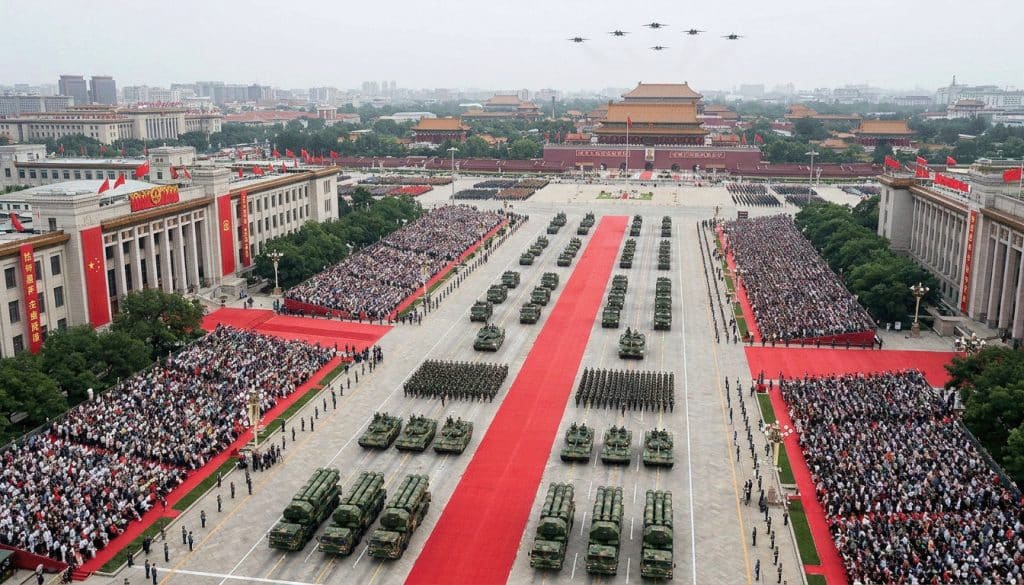
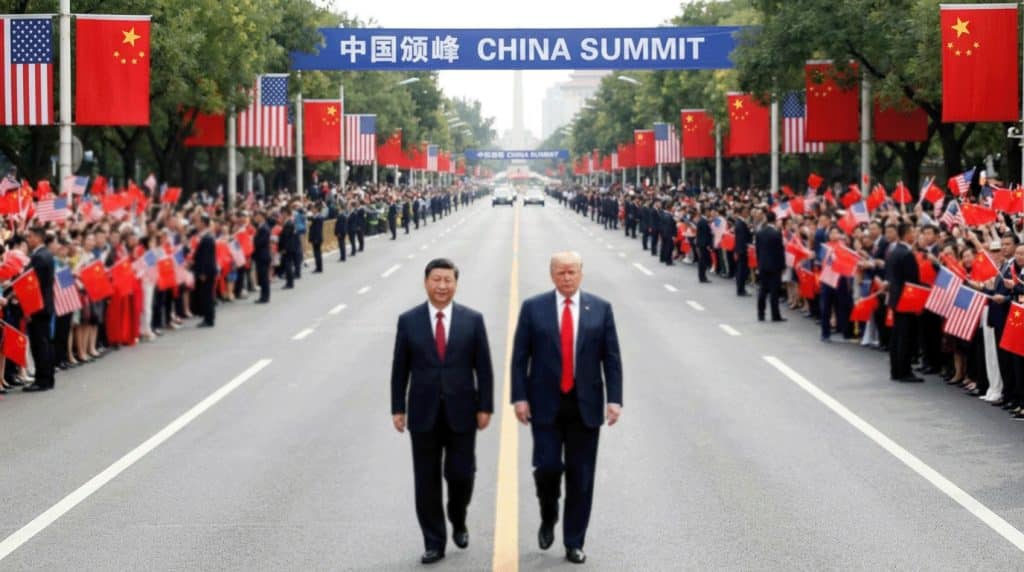
U.S China Summit: This week’s Xi Jinping-Trump meeting was a big test for U.S.-China relations. Cameras and captions were as important as what was said in private. The summit’s outcome is key because it shows who is steady under pressure.
As foreign policy tensions continue to grow around the world and the Trump administration faces pressure over the ongoing war with Iran, the State Department last week finalized the firing of nearly 250 foreign service officers through a short email sent to staff.
“Your reduction-in-force separation will be effective today,” the message said. “Thank you again for your service to the Department.”
The cuts were part of a larger workforce reduction effort that began last July. More than 1,000 civil service employees were also affected. Former officials say some of the offices hit by the layoffs handled issues related to Iran and global economic policy, raising concerns that the department lost valuable experience during a major international crisis.
The State Department has defended the reductions, saying the changes were aimed at removing duplicate positions and that important work was reassigned to other offices.
Key Takeaways
- The Xi Jinping-Trump meeting was as much about perception as it was about policy.
- The U.S.-China Summit Conclusion carries global influence by shaping narratives beyond Washington and Beijing.
- China’s diplomacy leaned on a Beijing narrative of inevitable Western decline and China’s assured rise.
- Geopolitical optics mattered because images and wording can drive markets, alliances, and public expectations.
- Some analysts feared U.S. foreign policy could be distorted by broader security distractions.
- Xi’s domestic pressures made the summit outcomes unusually consequential for his standing at home.
U.S China Summit Conclusion: Key Outcomes and Insights from the Xi–Trump Meeting
The Xi–Trump meeting was more about image than agreements. Both sides aimed to show who was in control and who was under pressure. This was all about who set the tone.
Behind the scenes, there were no big announcements. This left room for different interpretations. The focus shifted to symbolism, timing, and what each side highlighted.
Beijing’s global narrative and why the summit’s optics mattered
Beijing’s message has always targeted audiences beyond the West. They want to show the West is weak and China is strong. This is a key part of their strategy.
Beijing uses clean images and controlled messages. They aim to show calm leadership, even when details are scarce. This is part of their propaganda strategy.
How the meeting tested claims of American decline versus China’s “assured” rise
The meeting highlighted the narrative of American decline. Beijing wants to show the U.S. is reacting, while China is leading. This is part of their strategy to show China’s rise.
But the same images can also show unpredictability. This can undermine the message of China’s assured rise. For a quick summary, many turned to this breakdown of the talks.
Why Xi arrived under pressure from domestic criticism and economic headwinds
Xi faced criticism at home about the economy and political control. Every interaction was sensitive, as any weakness could spread quickly. This made the meeting even more important.
Even small trade and tech signals were significant. For example, NVIDIA’s advanced H200 chips and Jensen Huang’s presence were important. Beijing might accept short-term pain for long-term benefits.
What observers in the U.S. feared Washington might concede amid broader security distractions
In the U.S., there were concerns about concessions. The Iran war distraction made people worry about decision-making under pressure. This raised fears of what might be quietly given up.
- Some looked for softer language on export controls or enforcement, even as new tariffs seemed likely.
- Others watched for signals on Taiwan, after Beijing’s warning and reported efforts to delay U.S. arms packages.
Key Outcomes Shaping U.S.-China Relations, Global Power, and Economic Competition
The meeting’s effects extend widely, affecting U.S.-China competition across many areas. Beijing relied on U.S. habits and a clear message about American drift. But the sudden change made it harder to keep that story going, raising the stakes for every move.
Markets also reacted to uncertainty, adding to public pressure on both sides. Even unrelated shocks can change bargaining power, as seen in the historic stock market crash. In this climate, leaders face fewer predictable off-ramps and more real-time tests.
How U.S. disruption challenged Beijing’s long-running strategy and messaging
Beijing didn’t expect Washington to take big risks and break familiar patterns. This shift complicated plans built on gradual gains and managed friction. It also squeezed the space for quiet dealmaking that once helped stabilize ties.
Some steps hit pillars Beijing had counted on, including supply chains, export rules, and investment screening. The result was less room to claim that U.S. pressure is mostly talk. For Chinese officials, the challenge became how to keep confidence high while control feels less certain.
The role of history and the “century of humiliation” framing in China’s diplomatic posture
China’s diplomatic posture often relies on the “century of humiliation” narrative, which dates back to the mid-1800s. This narrative mixes real grievances with selective history and sharp omissions. It supports the idea that the Communist Party’s mission is national restoration, not just routine statecraft.
This story also shapes how Beijing talks to developing countries by casting China as a fellow victim that has learned to resist. It can rally domestic support, yet it also narrows flexibility at the table. When pride is the fuel, compromise can look like weakness.
Institutions and leverage points: Bretton Woods, the dollar system, IMF/World Bank, and WTO entry
Xi’s “rejuvenation” theme argues that the postwar order left the world in an “unnatural” balance. In that telling, the Bretton Woods system’s dollar dominance locked in U.S. advantages through money, credit, and rules. It also points to the influence of the IMF and the World Bank as a force shaping development paths and crisis terms.
Beijing also benefited from that architecture, especially after China’s entry into the WTO in 2001 opened new trade lanes and increased scale. The tension is that China now says it can reshape the same system from within. Critics argue that China gained by gaming parts of the rulebook while demanding greater sway over the rulemaking process.
Strategic shifts highlighted around rearmament, reindustrialization, and resetting trade dynamics
Security pressures widened as Russia, Iran, and North Korea pushed regional risks, forcing new alignment choices. In response, allied rearmament has moved from debate to budgets in Europe and parts of Asia. At the same time, Middle East leverage shifted as Washington and Israel pressed their advantages, limiting room for Beijing and Moscow.
Economic strategy shifted in parallel, with U.S. reindustrialization framed as a durability play rather than a short-term bump. A trade reset became part of that effort, aimed at practices viewed as illegitimate or one-sided. Beijing’s influence in Latin America also faced pushback as governments weighed debt terms, technology risks, and local politics.
- Fewer predictable U.S. signals, which complicates Beijing’s planning cycle.
- More stress on industrial capacity, technology, and supply security as measures of power.
- Sharper competition over rules and standards, not just tariffs and headlines.
U.S China Summit Conclusion
This recap of the U.S.-China Summit Conclusion highlights the importance of the meeting. It revealed a widening gap between Beijing’s narrative and China’s real challenges. The meeting left Beijing’s narrative facing tough questions.
Both sides had big worries. In Washington, there were fears of making bad deals. At the same time, the war in Iran and other security issues were major concerns. Beijing was worried about its own problems and how it looked to the world.
The meeting also changed the balance of power in different regions. The Trump era shook things up, and allies are now stronger. The Middle East and Latin America are also shifting, making Washington and Israel more influential.
The U.S. will now focus on its strength and trustworthiness, not just what leaders say. The competition will be in areas such as trade and within global institutions. This suggests a tough fight ahead, where Beijing’s claims of dominance are less clear.