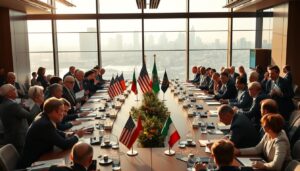
U.S and Iran struggle to resolve a peace deal during Ceasefire
U.S and Iran continue to face challenges in reaching a lasting peace deal, even amidst a fragile ceasefire. Tensions remain high as negotiations unfold.
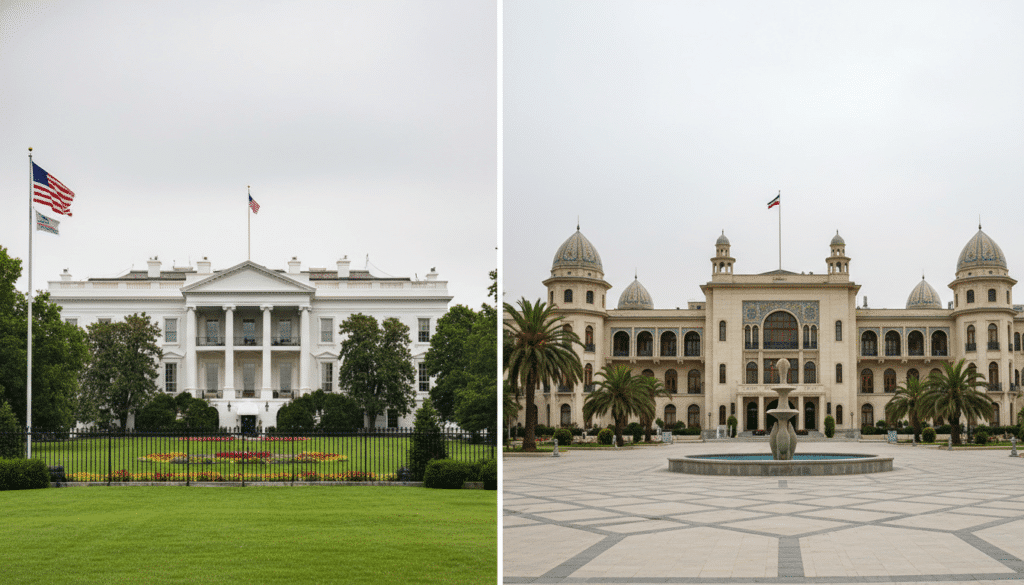
U.S and Iran peace deal
The ceasefire started on April 8 and has mostly stayed in place. But it feels fragile. The U.S and Iran are trying to decide what to do next, facing old mistrust and new deadlines.
Iran’s Iranian Students’ News Agency (ISNA) says Tehran is looking at the U.S. proposal. They’ve made some progress, they say. This news, shared in recent coverage, shows talks are ongoing, even if a deal is not yet in sight.
But Iran has a condition for more progress. They want the U.S. to stop what they call “temptation for war.” This is a clear message about U.S. threats of military action.
The situation is more than just a pause in fighting. There are warnings of escalation and broader talks happening. The U.S. and Iran are trying to keep this fragile truce going before it breaks again.
This pressure is also linked to other crises, like the Israel-Gaza conflict. Iran wants the U.S. to help calm things down, as reported recently. For now, both sides seem open to talks, but no one is making promises of peace. Iran Urges Trump to Intervene in Israel-Gaza Ceasefire.
Key Notes
- The April 8 ceasefire has held so far, but both sides describe it as fragile.
- ISNA says Iran is reviewing the latest U.S. proposal and sees partial progress.
- Iran links further gains to the U.S. ending threats of renewed military action.
- Iran u.s diplomacy remains active, but a final agreement has not been reached.
- U.s iran foreign policy is being shaped by security demands, trust gaps, and time pressure.
- United States-Iran relations are also influenced by broader regional diplomacy, including developments in Gaza.
Ceasefire diplomacy update: proposals, progress, and major sticking points
Talks between the U.S. and Iran have seen small steps forward. Each side is carefully considering what they can agree on. The focus is on clear checks, calm language, and a path that can last through future crises.
Iran is reviewing the latest U.S. proposal and claiming partial progress
ISNA reported Thursday that Tehran is preparing a response to a U.S.-submitted text. They say they have partly bridged differences. Iranian officials have not given a timeline for when they will send a formal reply.
Iran has warned that further movement depends on Washington stepping back from military threats. This can derail diplomacy, they argue. This message comes amid debates in Washington over sanctions and how to balance pressure with incentives.
The 14-point proposal: Strait of Hormuz access and easing restrictions on Iranian ports
People tracking the talks describe a package that tries to pair security aims with trade access. The idea is to keep shipping predictable, around the Strait of Hormuz. It also aims to ease restrictions that affect Iranian ports and cargo insurance.
- Assurances tied to navigation and transit in the Strait of Hormuz
- Targeted steps to ease port-related limits while keeping screening in place
- Compliance language meant to reduce disputes over inspections and timelines
Behind the scenes, many of these concepts echo earlier debates over the U.S.-Iran nuclear deal. A fuller timeline of how the framework shifted is outlined in the Trump-era deal changes. These changes shape expectations on both sides.
Core disputes: enrichment, highly processed uranium, and “all fronts” guarantees
The hardest items remain both technical and political. These include enrichment limits, stocks of highly processed uranium, and verification steps. U.S. lawmakers debate the right mix of oversight and flexibility, complicating a single U.S. message in talks involving the U.S. and Iran.
- How enrichment would be capped, measured, and reversed if disputes arise
- What happens to highly processed uranium, and where would it be stored
- Whether “all fronts” guarantees cover missiles, regional partners, and maritime incidents
These questions also intersect with U.S. sanctions on Iran. The timing of relief can change bargaining power overnight. The core test for the U.S.-Iran nuclear deal discussion is whether verification and guarantees can be written in plain terms. Both sides must be able to defend them without raising tensions.
U.S and Iran tensions: military threats, regional influence, and market impact
The ceasefire has cooled things down, but the core issues remain. The tension between the U.S. and Iran is seen in troop movements and air defenses. It also shows in the constant warnings from both sides.
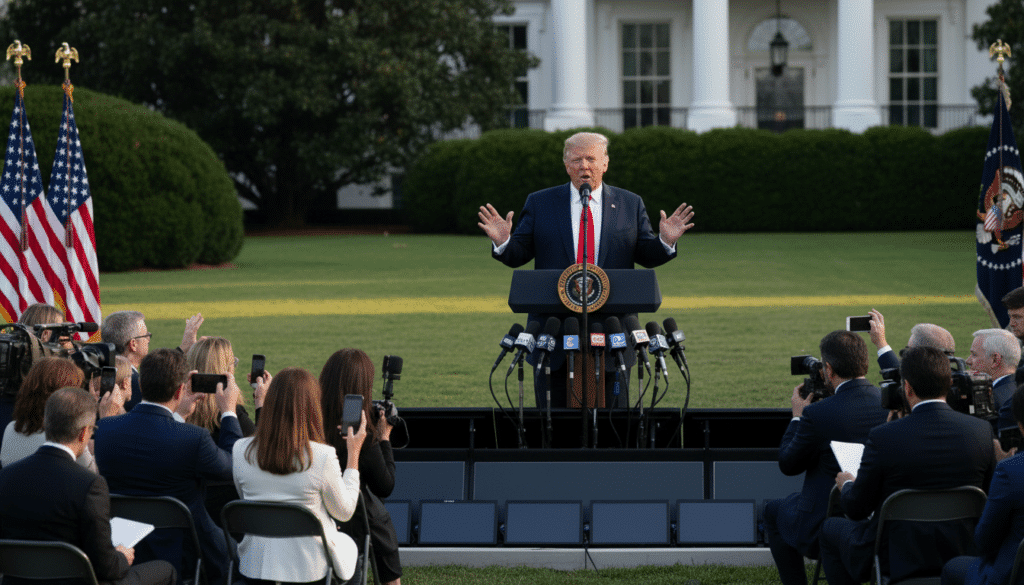
Washington’s posture and ceasefire fragility
Washington sends mixed signals. President Donald Trump said talks are almost done, boosting hopes for a deal.
But he also warned of possible attacks if Iran doesn’t agree. He said, “We’ll either have a deal or we’re going to do some things that are a little bit nasty.”
Iran’s response was bold. President Masoud Pezeshkian said Iran won’t give in to pressure. This keeps the tension high, even when talks seem to progress.
Regional pressure points: Lebanon, Israel, and the risk of wider conflict
Iran uses various tools to counter U.S. power. This includes drones, cyber attacks, and missiles that can reach U.S. bases. Iran also has fast-attack craft and mines that could block shipping lanes.
Iran’s influence in the region also depends on its allies. Hezbollah in Lebanon has many rockets, raising tensions with Israel and the U.S. For more on escalating tensions in the Middle East, see this report.
- Lebanon: Hezbollah’s capabilities can quickly escalate a crisis.
- Iraq: Iran-backed militias are close to U.S. forces and bases.
- Yemen: The Houthis have used drones and anti-ship weapons, keeping Red Sea routes at risk.
Energy and markets: oil moves tied to negotiation headlines
The ceasefire has kept markets on edge. Any shift in U.S.-Iran relations can quickly affect oil prices. The Strait of Hormuz is a key oil route, and threats can disrupt it.
Insurance costs and shipping risks increase with talk of war. This can lead to higher inflation. For more on how a war with Iran could affect shipping and energy, see this analysis of how a war with Iran would play.
Mediation channel: Pakistan’s role in message-passing
Pakistan plays a key role in quiet talks. It can quickly pass messages, reduce delays, and clarify public statements. This is important in a conflict where quick escalation is a risk.
Quiet mediation helps focus on small steps, such as verification and deconfliction. It also shapes the influence of both sides in the region. Allies and partners watch how well the two sides manage the pace of events.
U.S and Iran peace deal: Conclusion
The latest talks between the U.S and Iran have hit a snag. Iran sees some progress in the U.S. proposal, but it needs a clear end to military threats. This shows the fragile state of the April 8 ceasefire and the ongoing tension.
The talks are based on Iran’s 14-point plan, starting with easing restrictions on ports. This is a step towards a temporary agreement. Yet, the major political differences make the path ahead uncertain, as seen in the Iran-U.S. diplomatic outlook.
Debates over enrichment limits and frozen assets remain major hurdles. Iran wants to stop fighting on all fronts, including Lebanon. The U.S. aims to prevent Iran from quickly getting a nuclear weapon.
For Americans, the situation is urgent because market reactions are swift. The risk of escalation is high, even when there’s a ceasefire. Mediators like Pakistan are trying to keep the talks going, but trust is key.